By Mike Veissid. Originally published in Scripophily, the official Journal of the International Bond and Share Society (IBSS), Issue No. 119, August 2022, pp. 27–30. Republished by ScripoTime with permission and with thanks to the IBSS.
Background
When the Pas de Calais coalfield in Northern France was developed in the 1850s, it was suggested the coal seam extended under the channel into South Eastern England and across to South Wales. Trial borings weren't made until the 1870s; some coal was found but considered too expensive to mine. Channel Tunnel fever hit England in 1880 under Sir Edward Watkin, who arranged boring between Dover and Folkestone and at Shakespeare Cliff — but the Government rejected the tunnel proposal over invasion risk fears. It would be another 100 years before the Channel Tunnel was built. After the tunnel project halted, boring continued for coal using the tunnel machinery for four years, finding seams but no further action; Sir Watkin died in 1894.
Enter Arthur Burr
Arthur Burr (1849-1919) formed the Kent Coalfields Syndicate Ltd in March 1896, acquiring rights at Shakespeare Cliff, then formed the Colliery & General Contract Co Ltd to sink the pits. Water inrushes halted operations, killing eight men in the Simpson Pit. Kent Collieries Corporation Ltd was formed the following year to continue the work. The financial structure grew complex — one company owning land, another exploration rights, another a holding company — with loans between companies obscuring true financial health. At the end of 1899, the Consolidated Kent Collieries Corporation Ltd was formed by joint English and French interests to amalgamate the group.
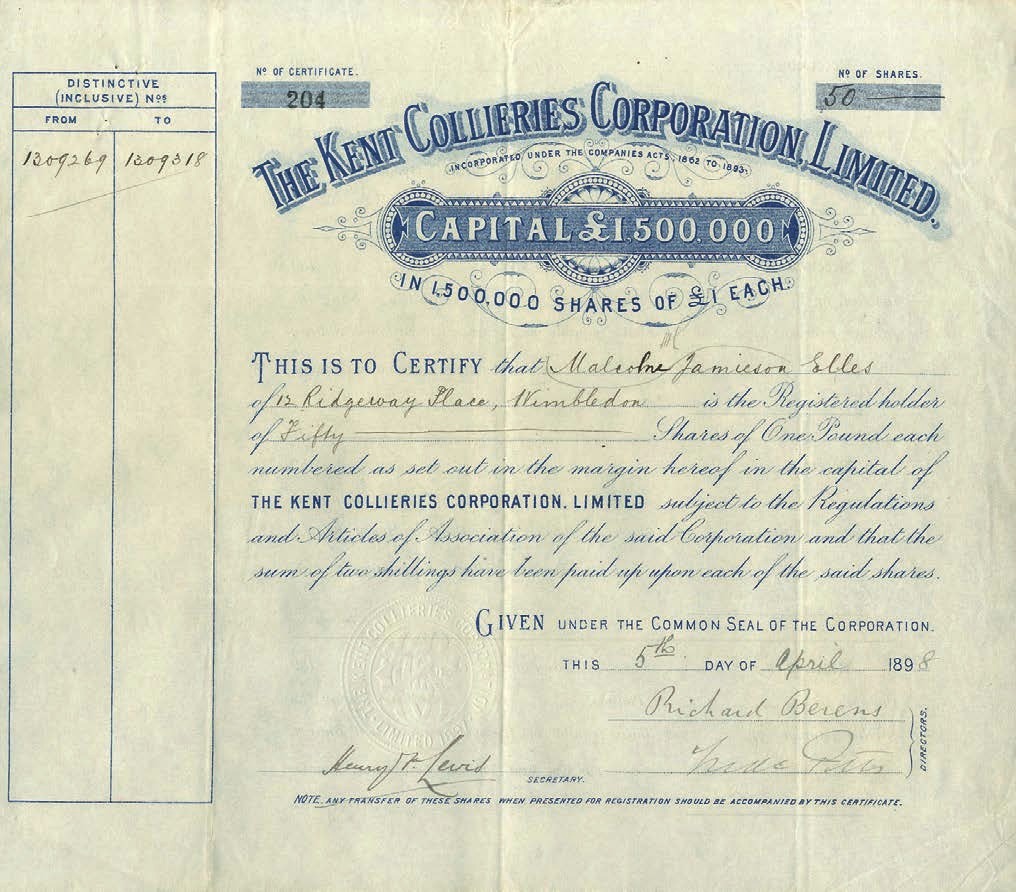
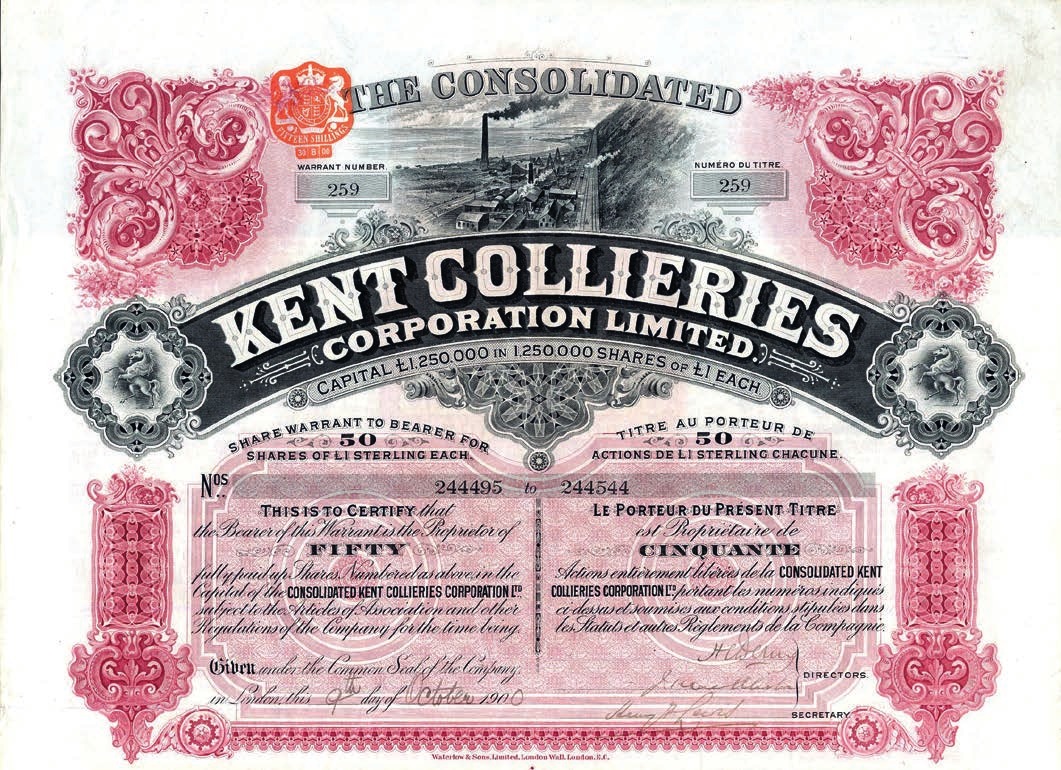
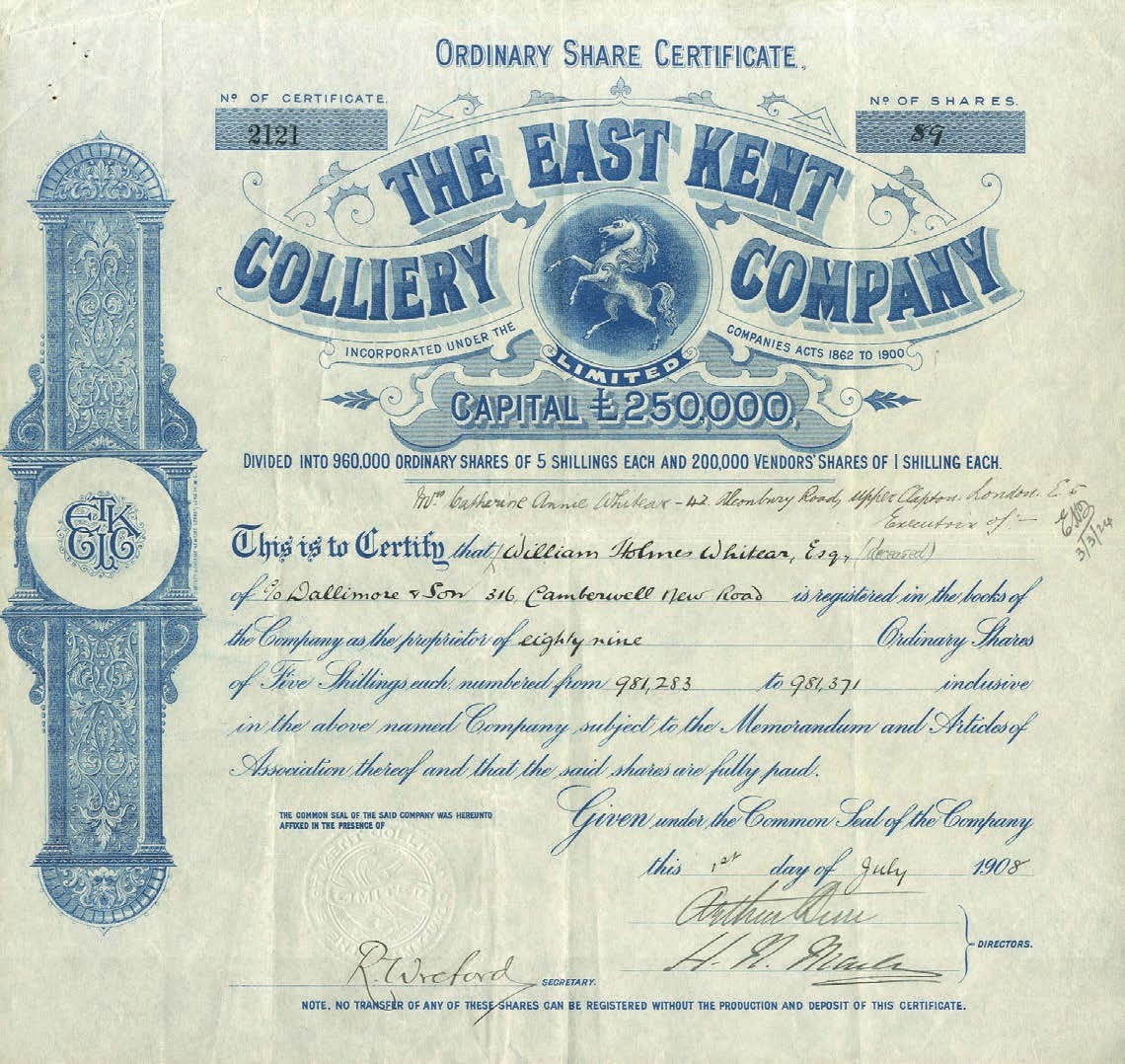
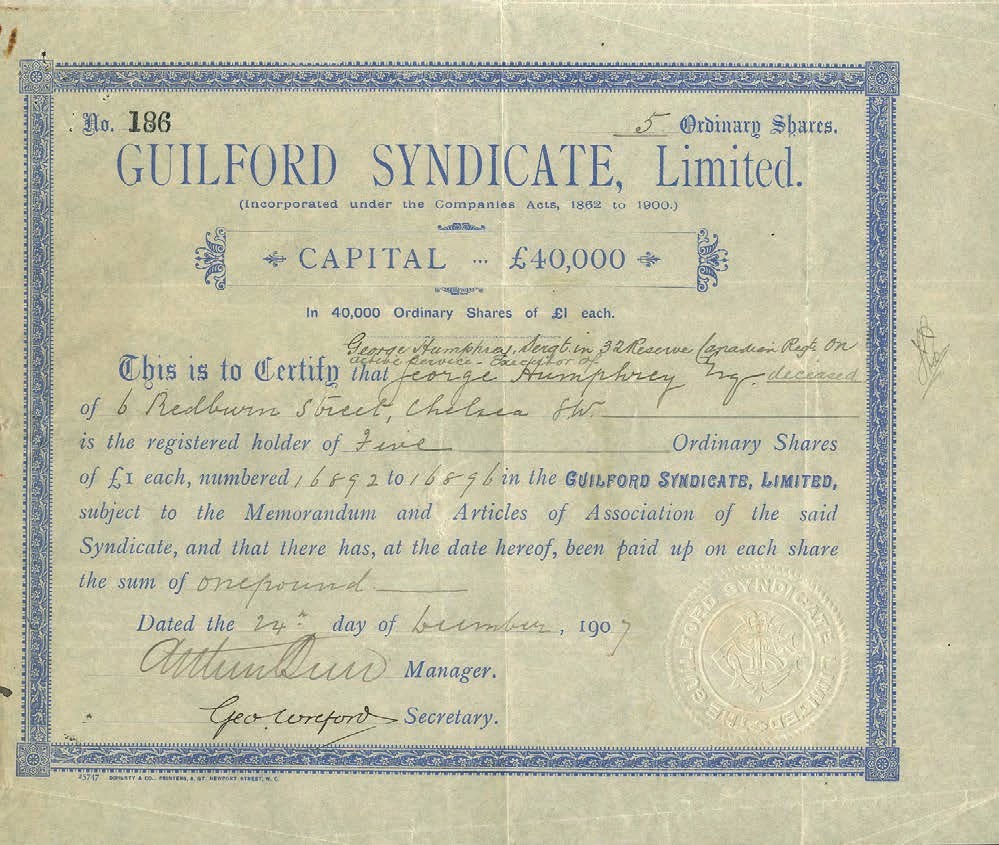
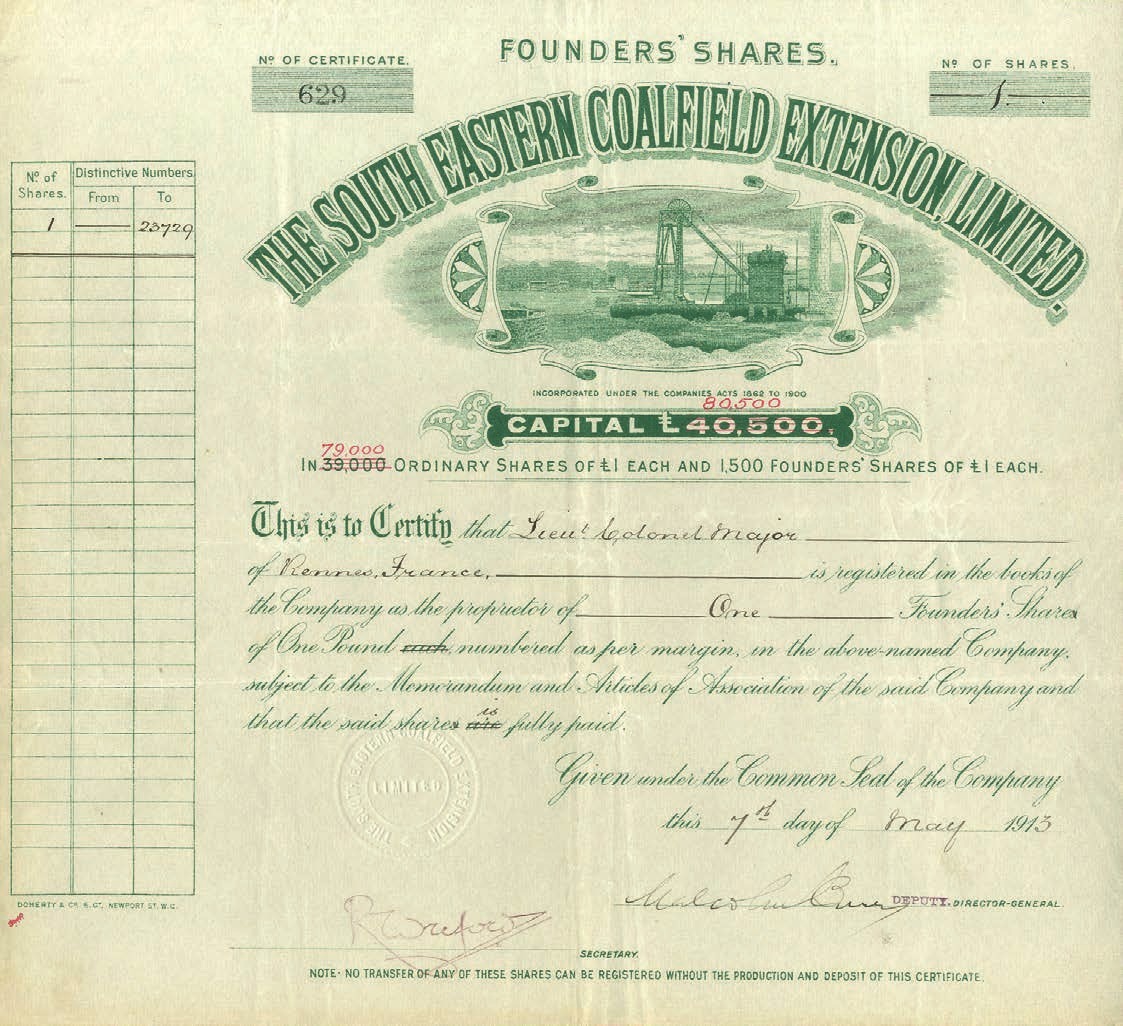
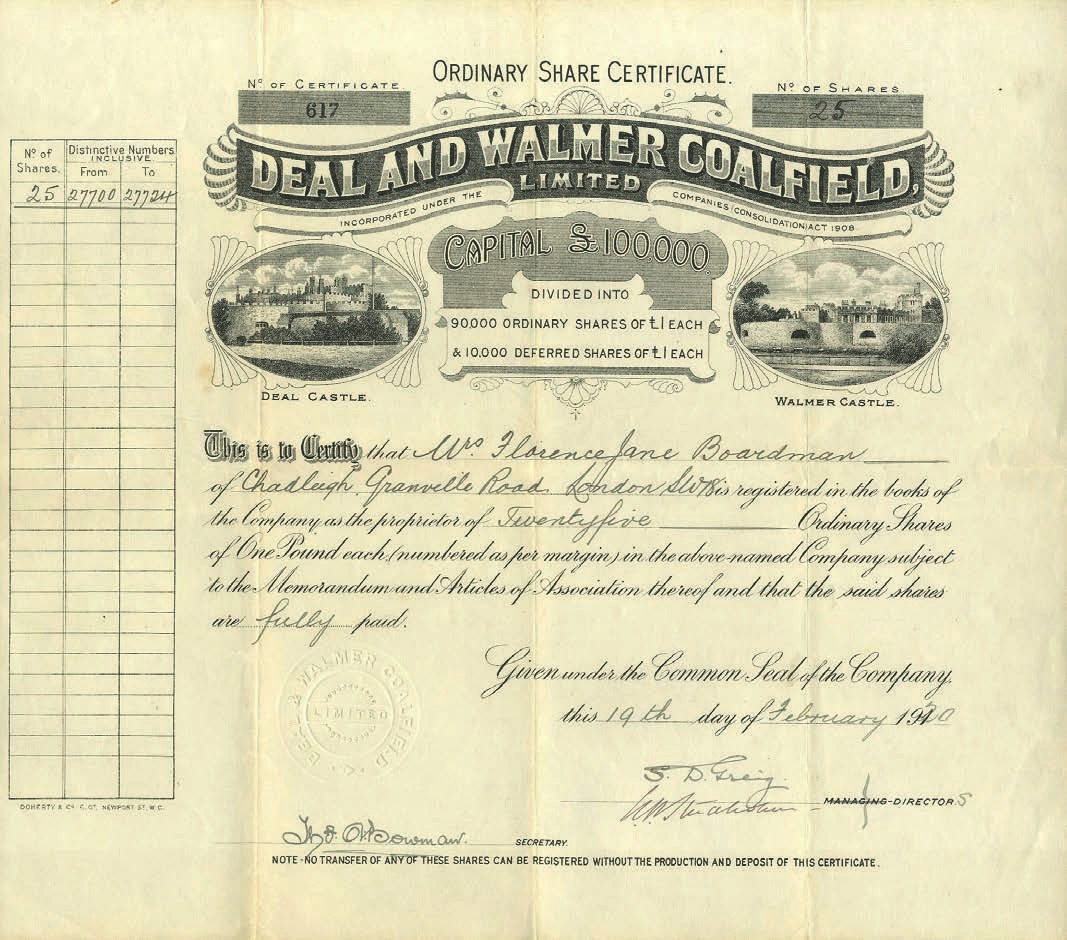
Burr promoted all these companies but took no active management role, remaining a major shareholder, with shares mostly allotted to him for contracts and expenses. In 1898 it emerged he was an undischarged bankrupt, having been bankrupt three times — as a metal dealer in London (1874), a colliery proprietor in North Wales (1880), and again in 1891 speculating in land. He carried on business using nominees and a company that shared his offices. Reports suggest he was adjudged bankrupt again in 1898, finally discharged only in 1914. A case was brought against Burr and the directors alleging inflated share prices with no intention of mining coal; the directors held Burr responsible, and a rift grew, with Burr charging fraudulent practice (later withdrawn) — after which he had little to do with the company.
Burr remained convinced plenty of coal lay beneath the ground despite only thin seams and water intrusion. He established more collieries and companies, becoming a director or manager from 1907 (Foncage Syndicate, Sondage Syndicate, Guilford Syndicate), working with his son Malcolm Burr, a trained geologist, as deputy, entitled to 20% of profits should there be any. Paying coal wasn't produced until 1912, eighteen years after exploration started; despite numerous cases against him, Burr was given the Freedom of the City of Dover in 1913.
The End of Burr's Projects
Once coal was being produced, it was realized profits would be tiny given the number of companies and shares issued to the public. A 1914 amalgamation scheme joining Kent Coal Concessions Ltd, South Eastern Coalfield Extension Ltd, Extended Extension Ltd, and Deal & Walmer Coalfield Ltd, with joint debentures issued the following year, failed — mainly due to the outbreak of war and continuing fraud allegations in the press. Burr was bankrupt again in December 1917. The stress took its toll; he died in 1919, an unwell man with many court cases still outstanding. Malcolm joined the armed forces, rising to temporary Colonel.
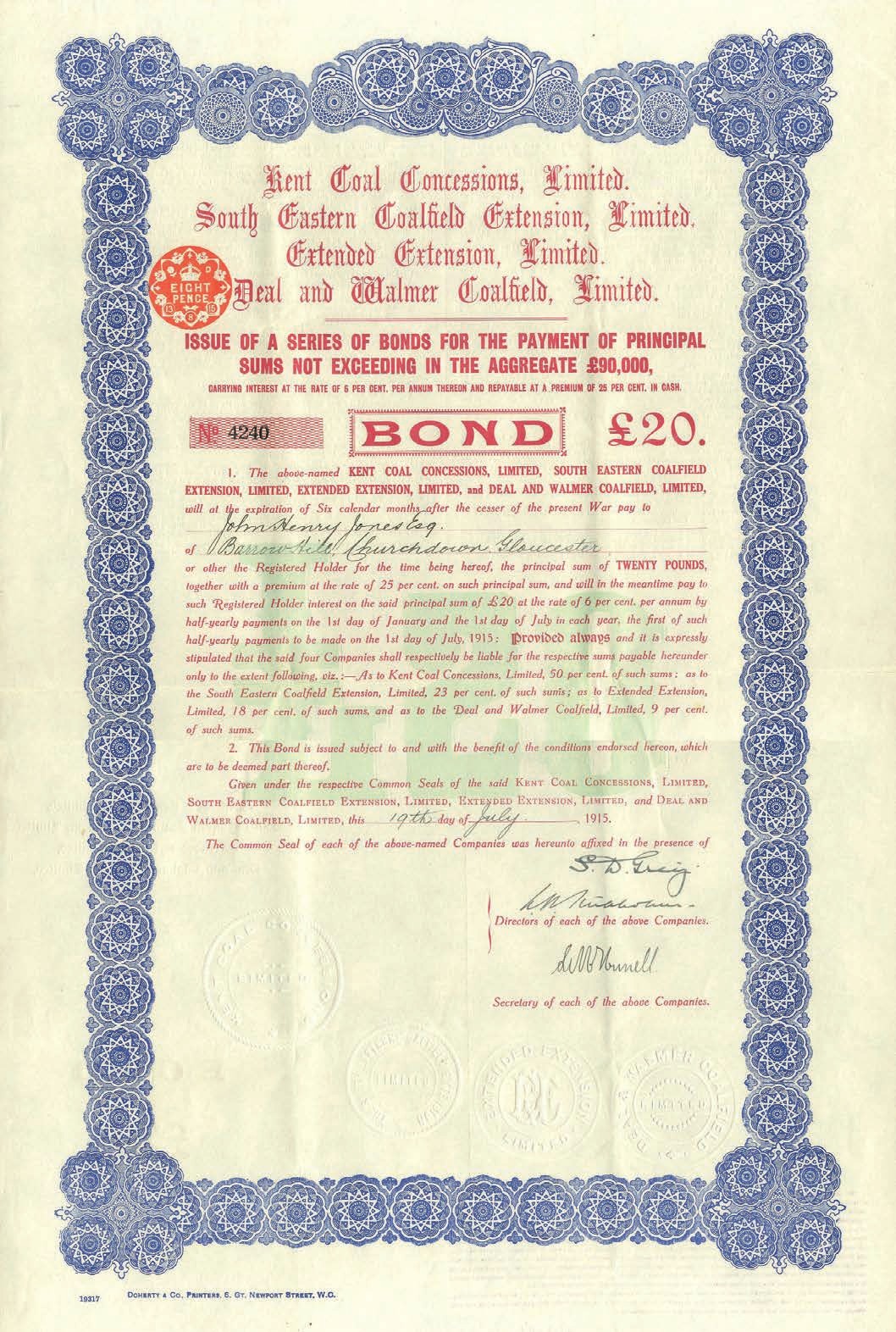
Arthur Burr was also a promoter of the East Kent Light Railway Co in 1909, a narrow-gauge line serving the coalfield — a story for another time. Four of the area's collieries operated for many years — Betteshanger, Chislet, Tilmanstone and Snowdown — closing in the 1960s-1980s. Despite the early companies' large capital and shareholder numbers, certificates from this neat, tidy collecting area are very difficult to find today.
Join the discussion
Financial History Institute Editorial invitation
What do you think? Share your perspective, questions or historical insights below. We welcome a thoughtful discussion.
Comments are reviewed before appearing. Your name and comment will be public once approved.