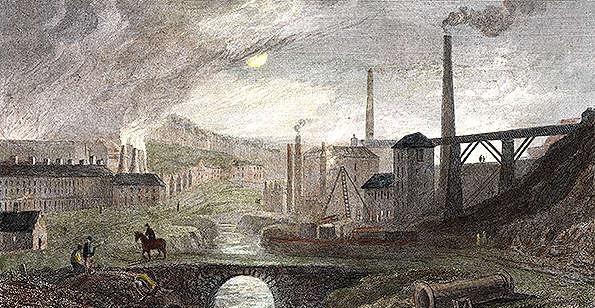
Hand coloured engraving of an industrial valley, with smoking chimneys, a canal and a stone bridge under a moonlit sky
FHI · Timeline

The Ages of Paper Finance

Eight centuries of financial history, one moment at a time, from the first share ever issued to the last one printed.

The age of steam and iron · 19th century engraving

Filter

130 entries
Coins & bimetallism · to 1873
Monetary regime — Coins & bimetallism
to 1600

Commercial Revolution

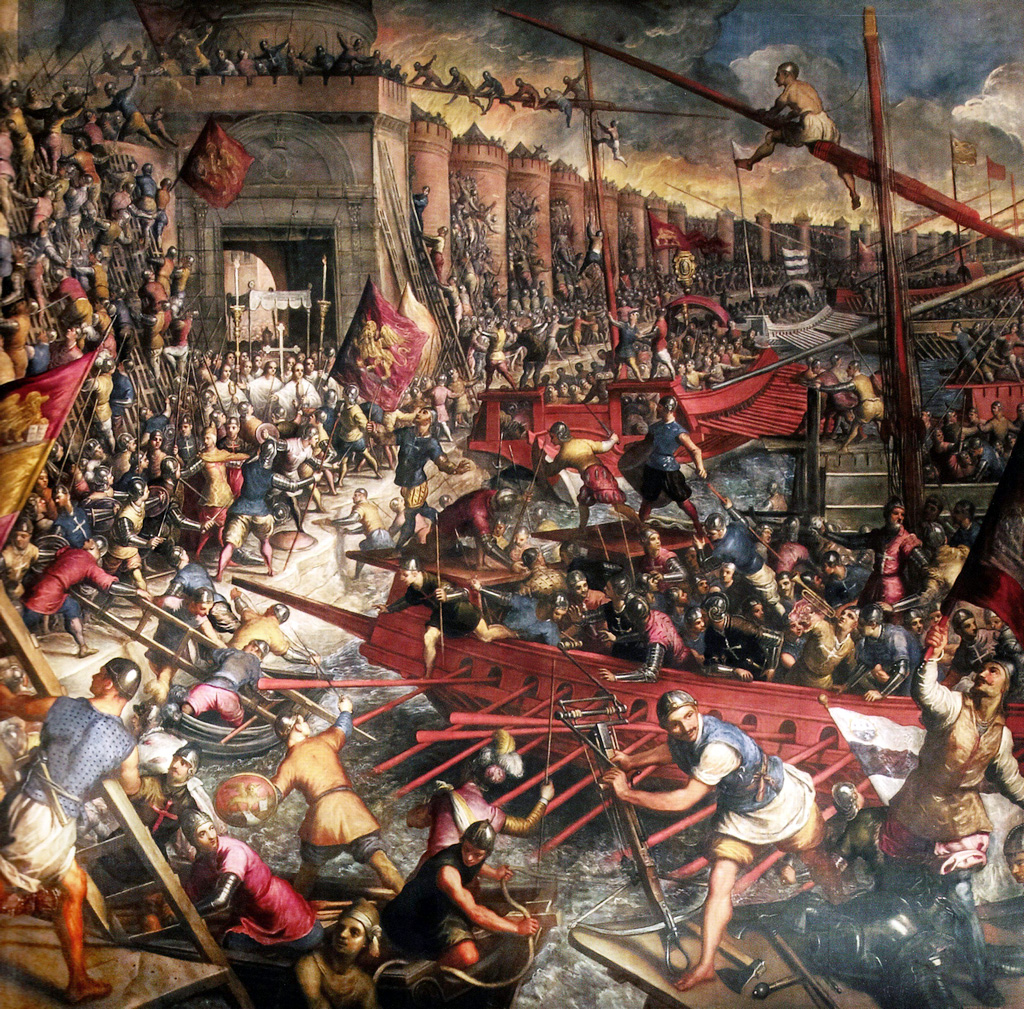
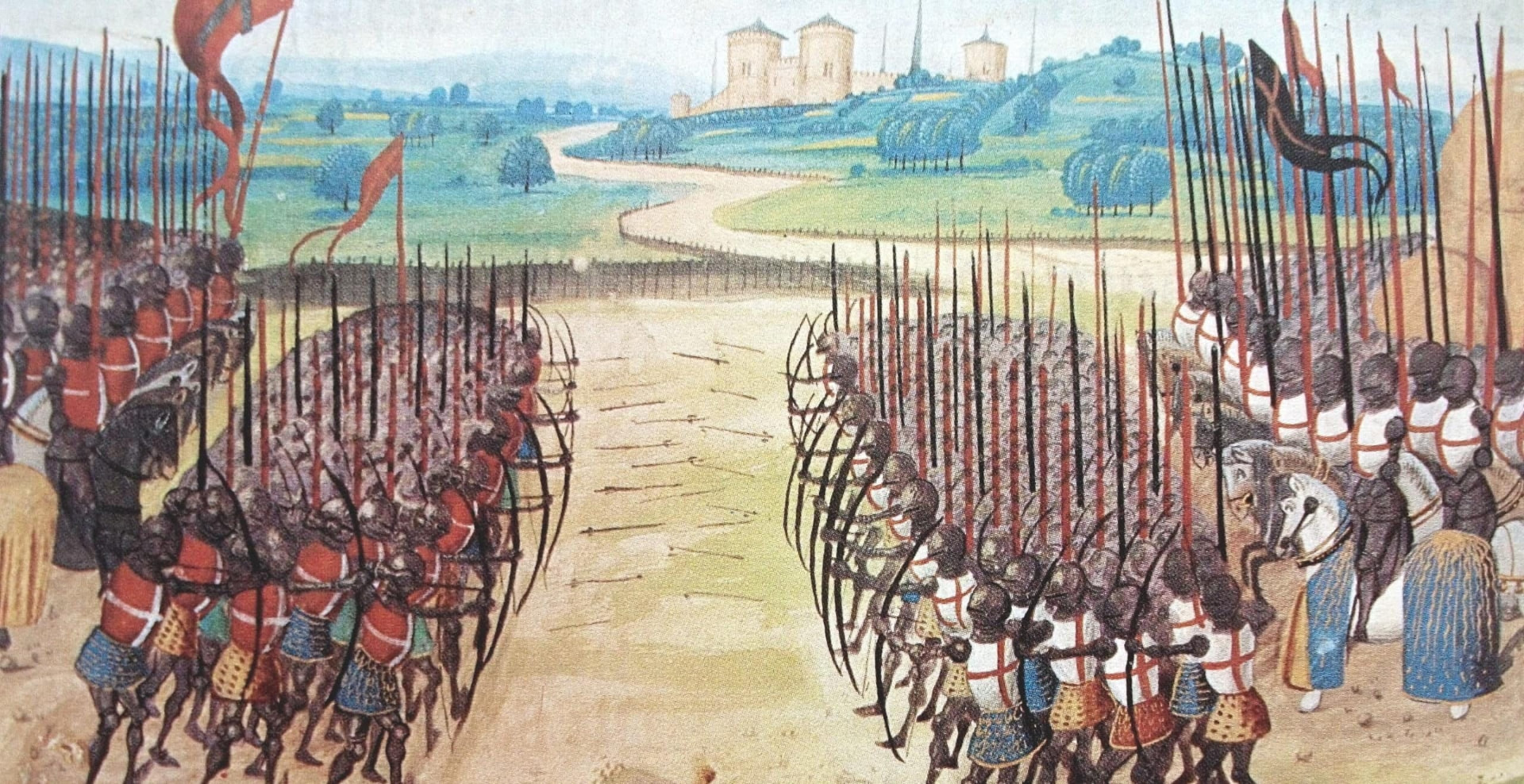
Venice invents the government bond

Venice invents the government bond

Facing war with Byzantium, Venice levies a forced loan on its wealthiest citizens and pays 5% interest on it. The prestiti become transferable, quoted and actively traded — the first genuine market in government debt, five centuries before the Bank of England.
Sovereign debt
The Bardi and Peruzzi fail

The Bardi and Peruzzi fail

Edward III repudiates the war loans that financed his French campaigns, and Florence's two greatest banking houses collapse. Villani calls it the ruin of the city. The first sovereign default to bring down an international financial system, and the template for every one since.

Panic & crisis
The Medici Bank

The Medici Bank

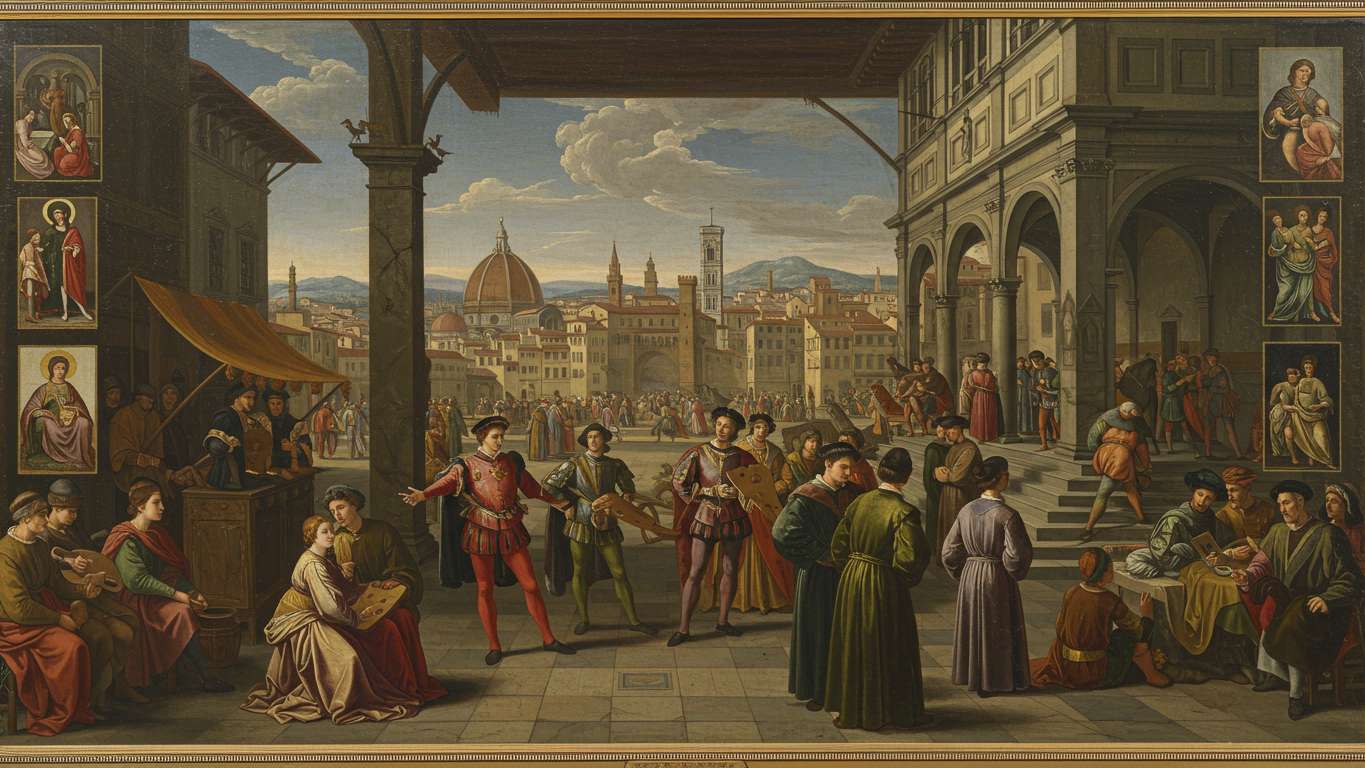
Giovanni di Bicci de' Medici founds a bank in Florence structured as a partnership of semi-autonomous branches — an early holding company designed to contain liability. Its double-entry ledgers finance popes, wool merchants and, incidentally, the Renaissance.

Institution
Bruges gives the world the 'bourse'

Bruges gives the world the 'bourse'

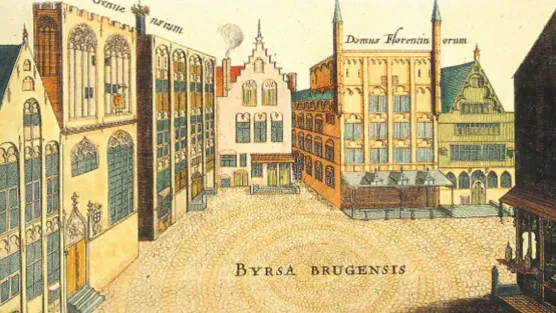
Merchants meeting outside the house of the Van der Beurze family in Bruges lend their name to the institution itself. Bourse, beurs, Börse and borsa all trace back to one Flemish inn and the traders who gathered in front of it.

Market infrastructure
The Birth of Double-Entry Bookkeeping

The Birth of Double-Entry Bookkeeping

In 1494, the "Father of Accounting", Luca Pacioli, published the first ever book on double-entry bookkeeping: Summa de Arithmetica, Geometria, Proportioni et Proportionalita. Luca Pacioli is credited (pun intended) with saying the phrase: "a person should not go to sleep at night until the debits equal the credits." The double-entry system requires that each financial transaction be recorded in at least two accounts, with equal debits and credits, which helps to ensure the accuracy of the financial records. This innovation laid the foundation for modern accounting practices and is still widely used today.

Idea & theory
The Antwerp Bourse

The Antwerp Bourse

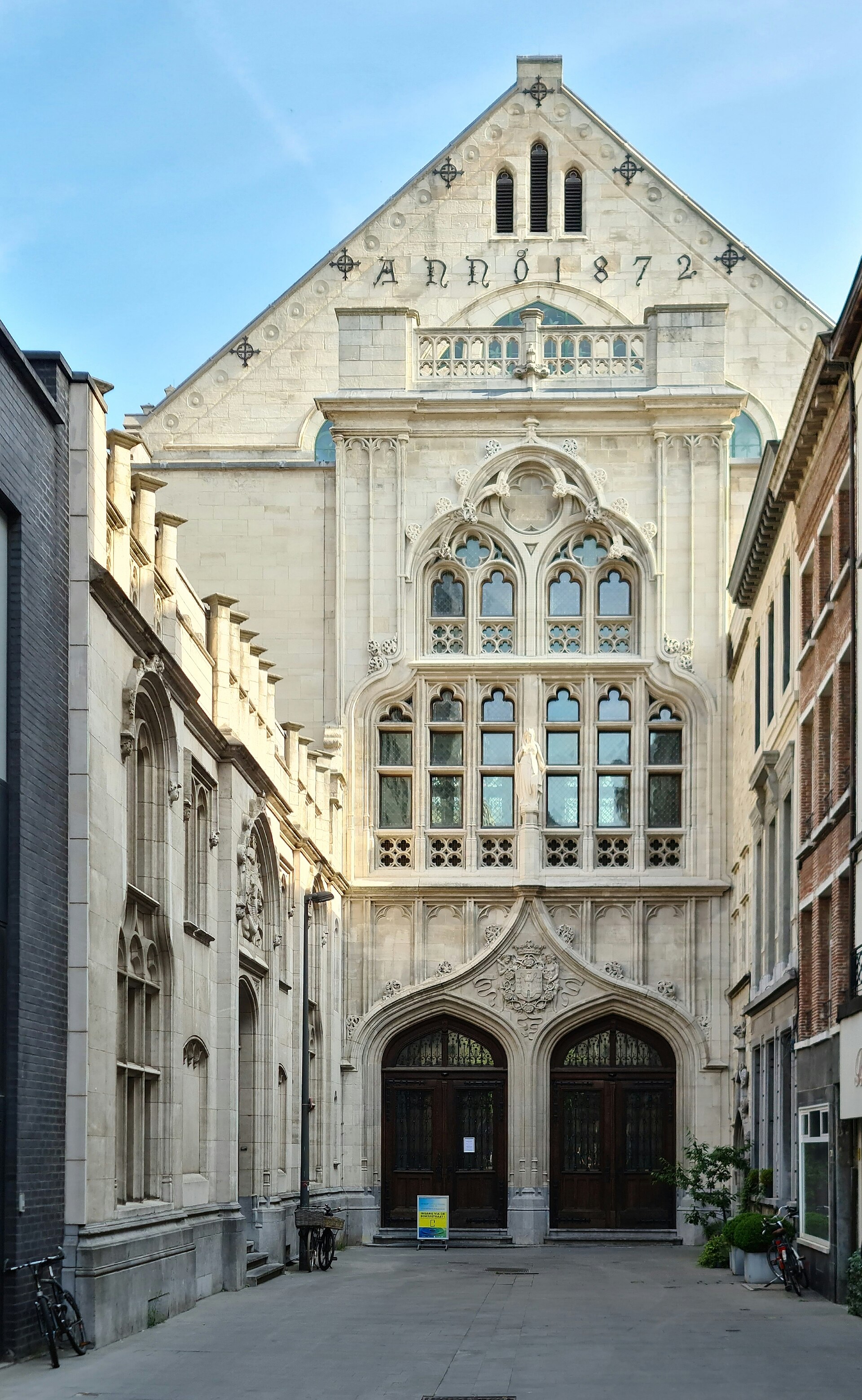
Antwerp builds the first purpose-designed exchange, inscribed as open to merchants of all nations and languages. Bills of exchange, commodity contracts and princely debt trade under one roof — the model Gresham copies for London forty years later.

Market infrastructure
The Royal Exchange (Commodities)

The Royal Exchange (Commodities)

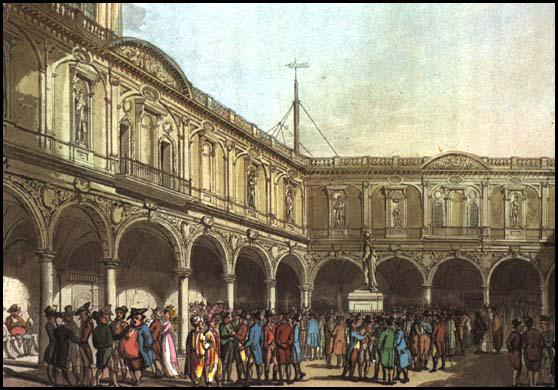
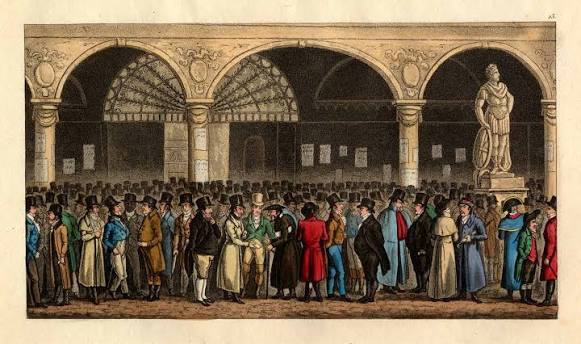
The Royal Exchange in London, established by Sir Thomas Gresham in 1571, was the first purpose-built center for merchants to trade commodities in England. Gresham's vision was to create a central trading hub that would rival the Bourse in Antwerp. The Royal Exchange became a gathering place for traders dealing in various commodities, such as spices, textiles, and metals. As the center of commerce in London, the Royal Exchange contributed to the growth of the city as a global financial center. The Royal Exchange has been rebuilt twice after fires destroyed the original building in 1666 and 1838.
Market infrastructure
1600–1720

The Financial Revolution

The English East India Company

The English East India Company

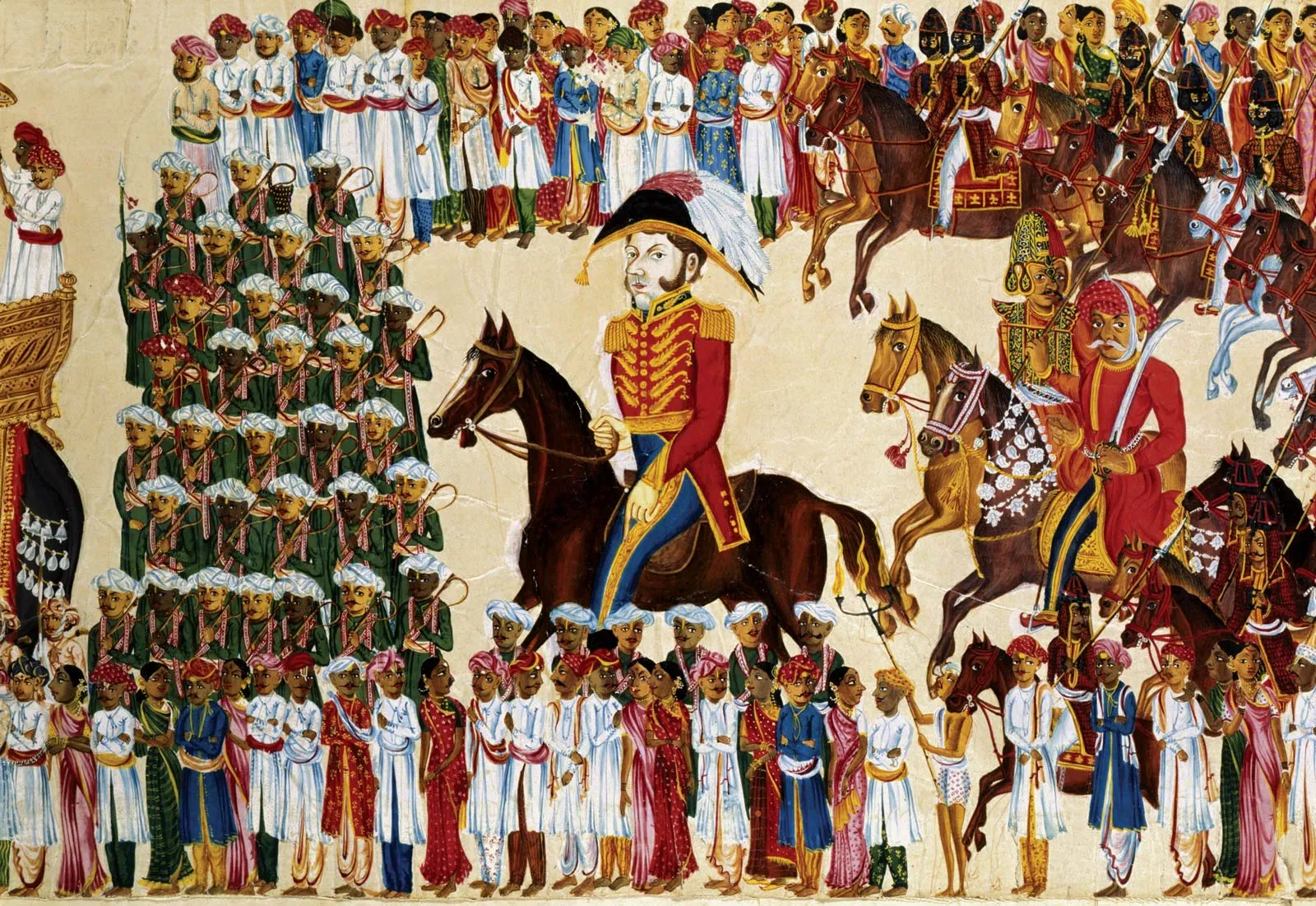
On the last day of 1600, Elizabeth I grants a royal charter to a company of London merchants for the trade of the East Indies. Two years before the VOC, the EIC becomes the other founding pillar of scripophily — and, in time, a private empire that rules a subcontinent from a London counting house.

Institution
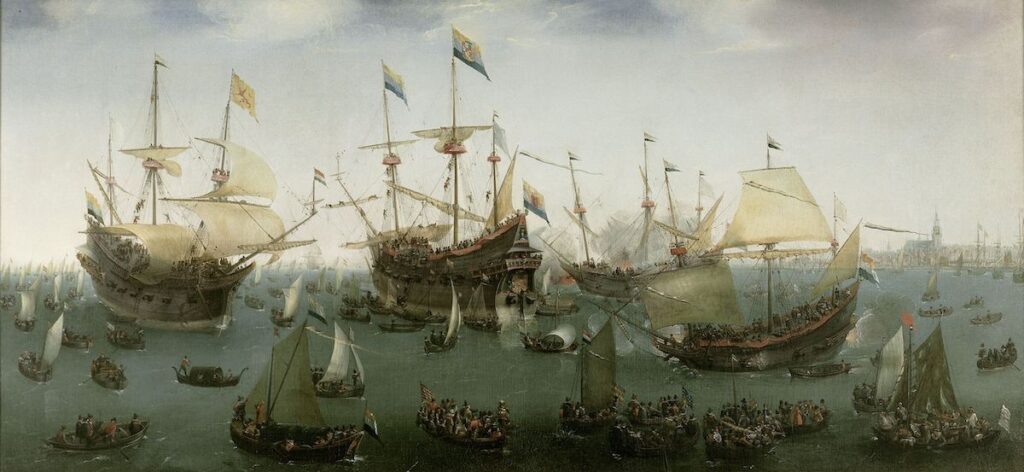
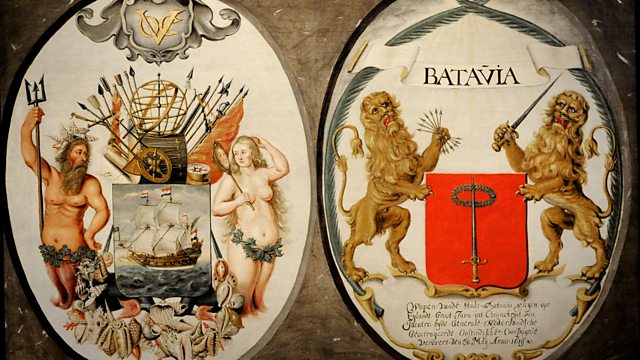
First IPO: The Dutch East India Company (VOC)

First IPO: The Dutch East India Company (VOC)

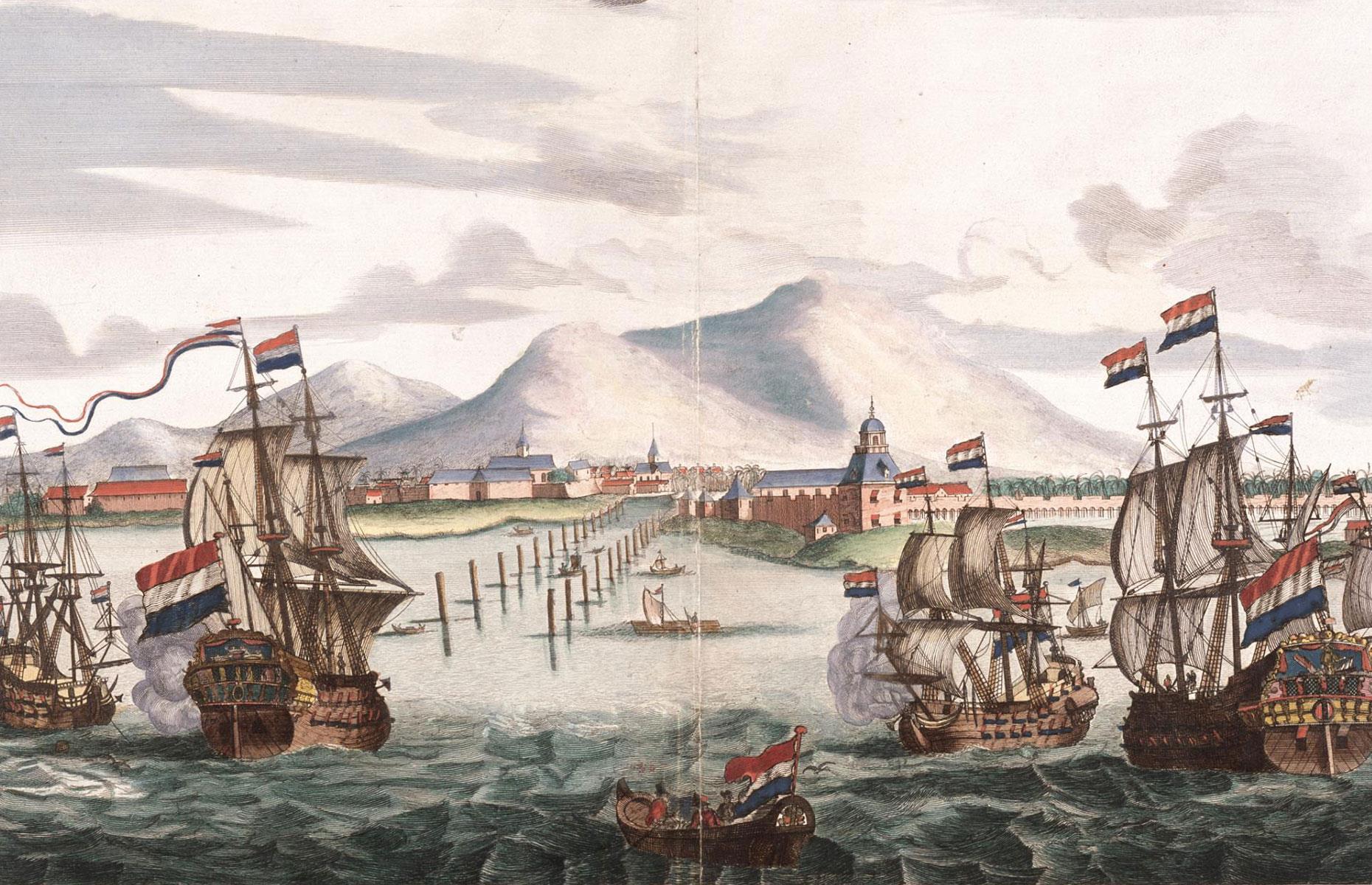
The Dutch East India Company formally announced its IPO in the corporation's founding charter on March 20, 1602. The company invited all Dutchmen to invest when shares became available for purchase in August 1602. The general public's ability to invest in this share offering was what made this first "IPO" so unique, as previously companies raised capital from small groups of wealthy investors. When the IPO subscription period ended on August 31, some 1,100 investors had purchased shares in the IPO.

Corporate landmarkRead more: The World's First IPO
The First Short: Isaac Le Maire

The First Short: Isaac Le Maire

Isaac Le Maire was originally on the Dutch East India Co. (VOC) board of directors, but stepped down in 1605 amid controversy. To exact revenge on the VOC, he began a short-selling campaign (i.e. "bear raid") designed to bring down the company's share price. Some historians consider this an early form of shareholder activism. Eventually, the VOC convinced the Dutch government to put a ban on naked short selling, which ruined Le Maire's campaign.

InstrumentRead more: Power Grab: Activists, Shorts & The Masses
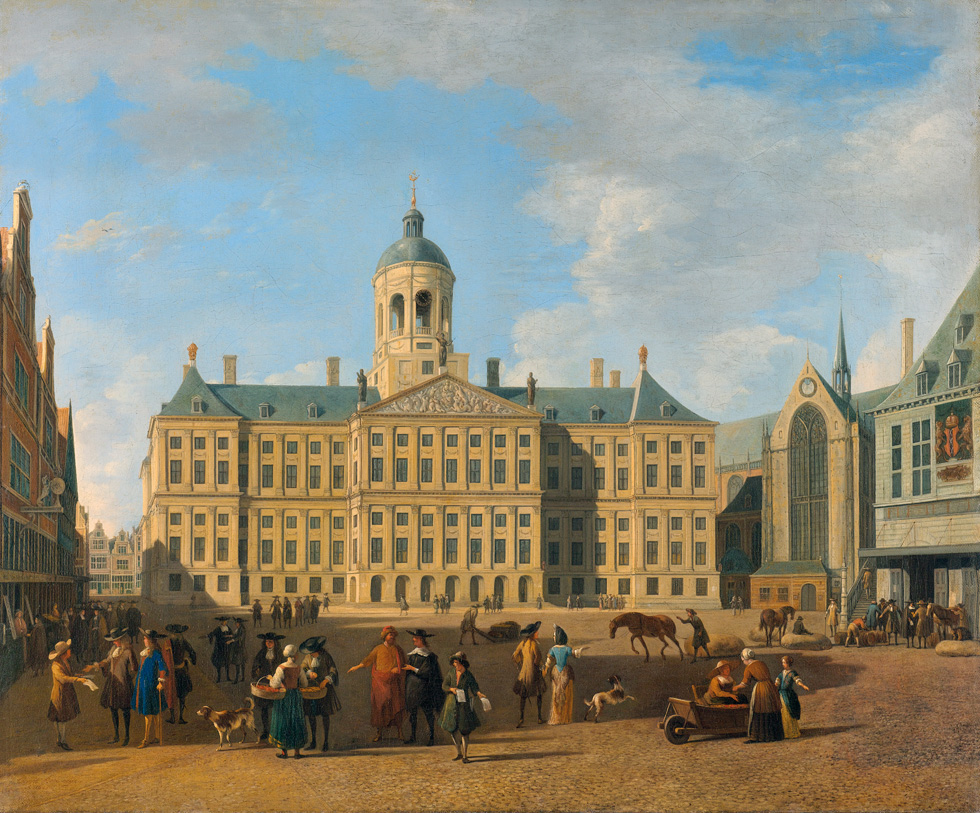
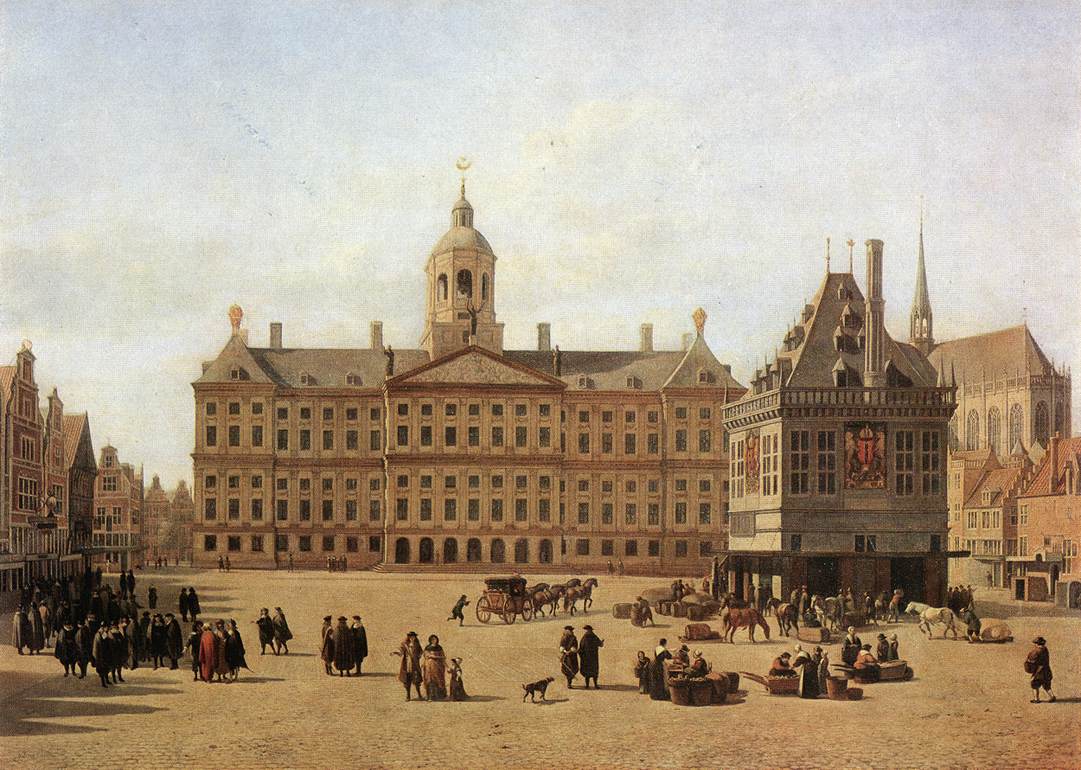
The Bank of Amsterdam

The Bank of Amsterdam

In 1609 the Wisselbank opens on the Damrak, Europe's first great exchange bank. It settles bills of exchange, guarantees the weight of coins, and becomes the silent engine behind Amsterdam's rise as the world's financial capital.

Institution
The First Dividend

The First Dividend

The Dutch East India Company's (VOC) paid its first dividend to shareholders in 1610. While the company was formed in 1602 and benefitted from an incredible monopoly on trade, it was only after incessant demands from shareholders like Isaac Le Maire that the VOC finally agreed to pay a dividend eight years after its IPO. However, this first dividend was paid in spices - shareholders received "mace at a value of 75% of the nominal capital". The VOC's first cash dividend was not paid out until 1612.

InstrumentRead more: Dividends: A 400-Year-Old Practice
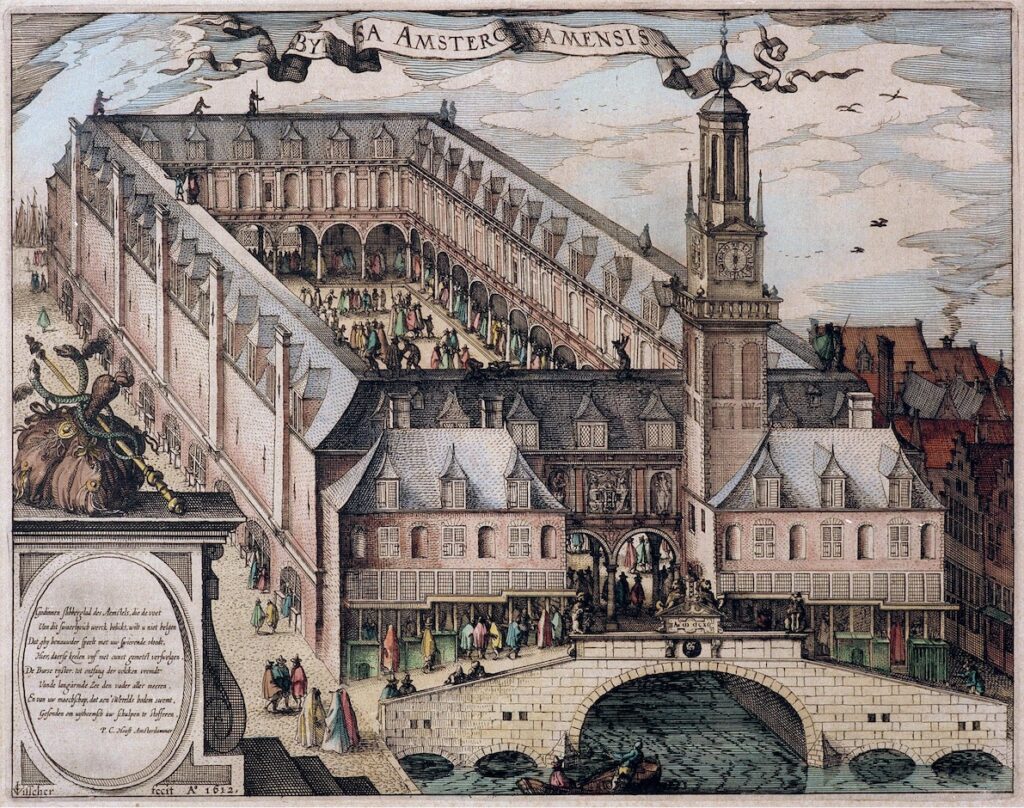
The First "Modern" Stock Market

The First "Modern" Stock Market

The roots of modern stock markets can be traced to early 17th century Amsterdam, where investors in the Dutch East India Company needed a forum for trading shares on the secondary market. The Amsterdam Stock Exchange opened its doors for trading in August 1611.

Market infrastructureRead more: The World's First Stock Exchange
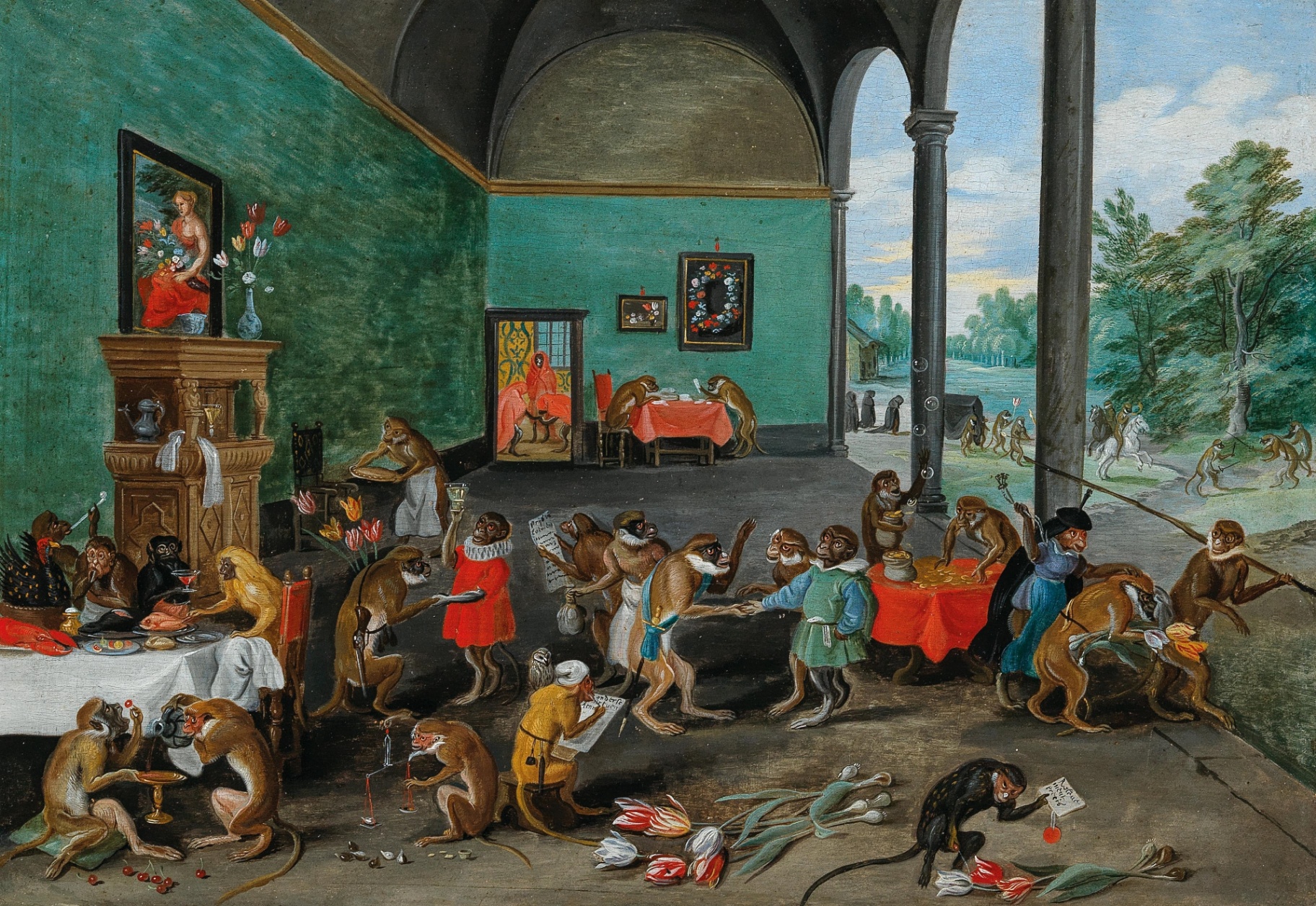
Tulip mania

Tulip mania

The Dutch bid tulip bulbs up to the price of canal houses, then watch the market collapse in weeks. The archetype of every bubble since is set in 1637.

Bubble & crash
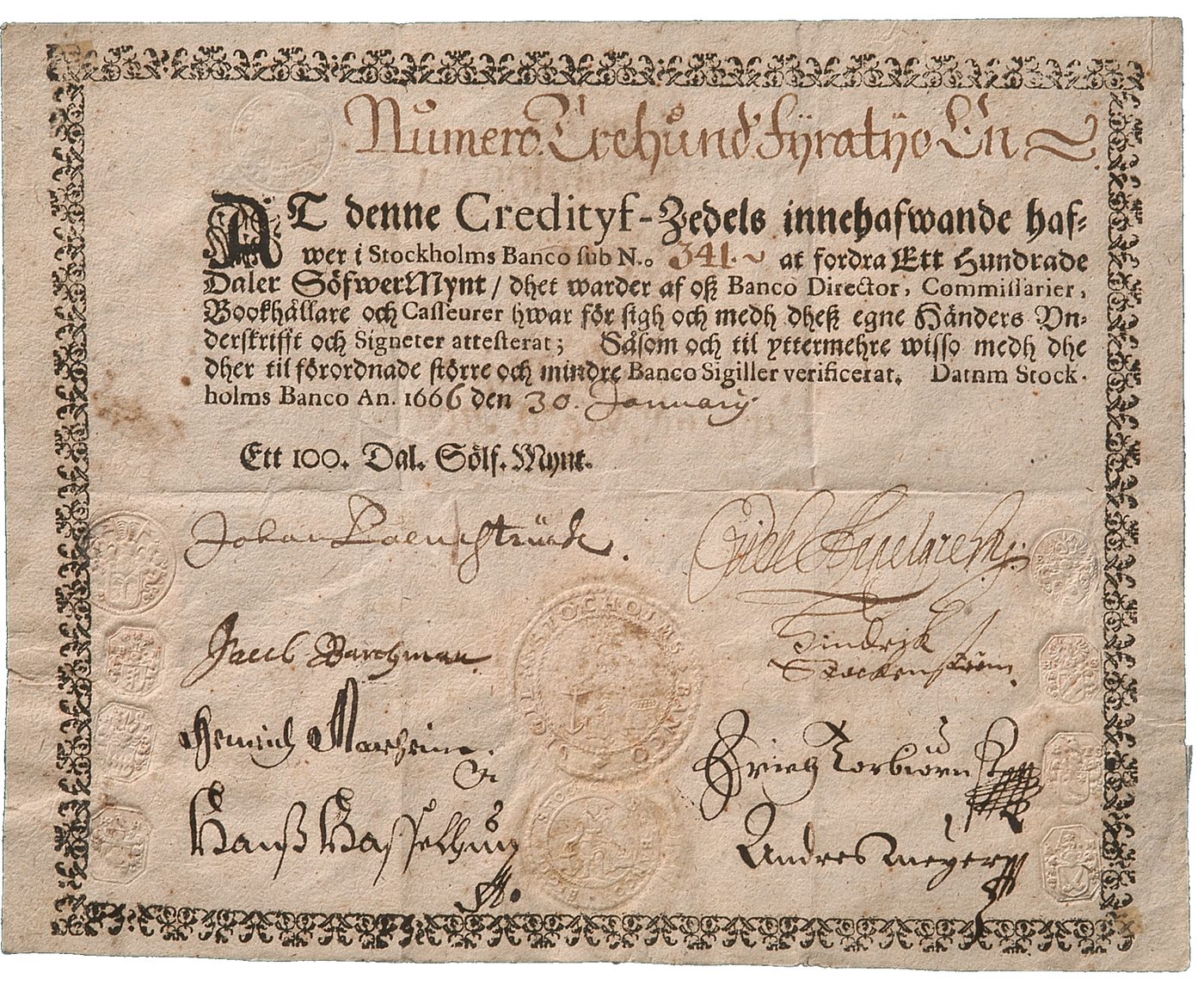
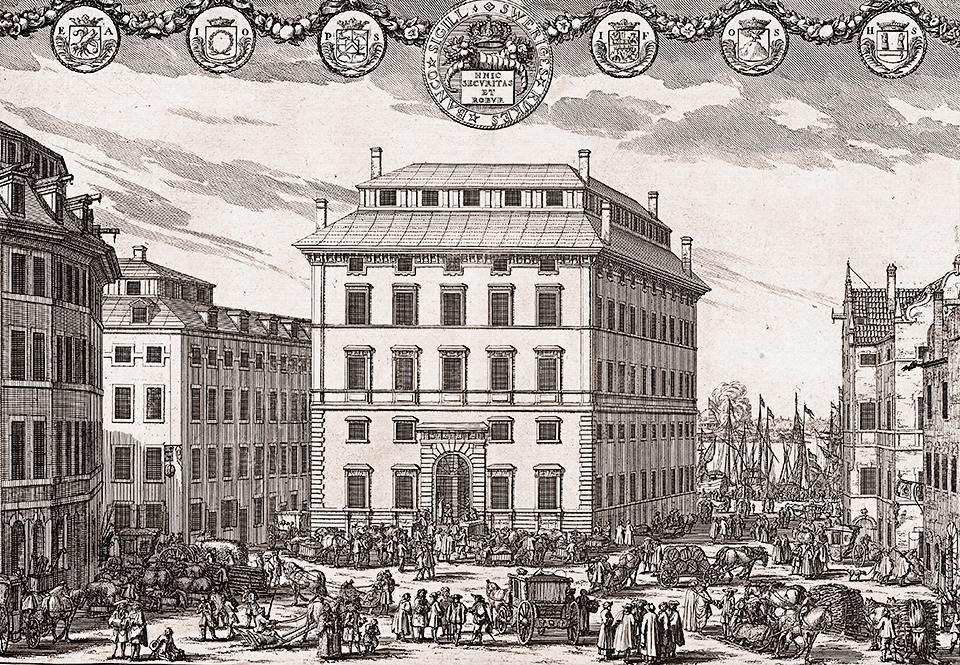
Europe's first banknotes

Europe's first banknotes

Johan Palmstruch's Stockholms Banco, chartered in 1657, issues kreditivsedlar in July 1661: credit notes payable to bearer, in round denominations, not tied to any specific deposit. Europe's first true banknotes. He issues too many, the bank fails, and Palmstruch is sentenced to death. The Riksbank rises from the wreckage.

Instrument
The First Central Bank

The First Central Bank

Sveriges Riksbank, a.k.a. The Bank of Sweden, was established in 1668 and is considered the world's first central bank. The bank was founded by Johan Palmstruch, who had also founded Stockholms Banco, the first bank to issue banknotes in Europe. One of the Riksbank's tasks was to maintain price stability; between 1668 and 1897, the law included a clause requiring it to maintain the domestic coinage at its right and fair value.

InstitutionRead more: Sveriges Riksbank
First Behavioral Finance Book

First Behavioral Finance Book

Joseph de la Vega wrote the first ever behavioral finance book in 17th century Holland. His book, Confusion de Confusiones, is a conversation between an Investor, Philosopher and Merchant in which the Investor explains how the stock market functions, describing how the business "has necessarily been converted into a game, and merchants [concerned in it] have become speculators."
Idea & theoryRead more: Psychology, Behavior & Markets
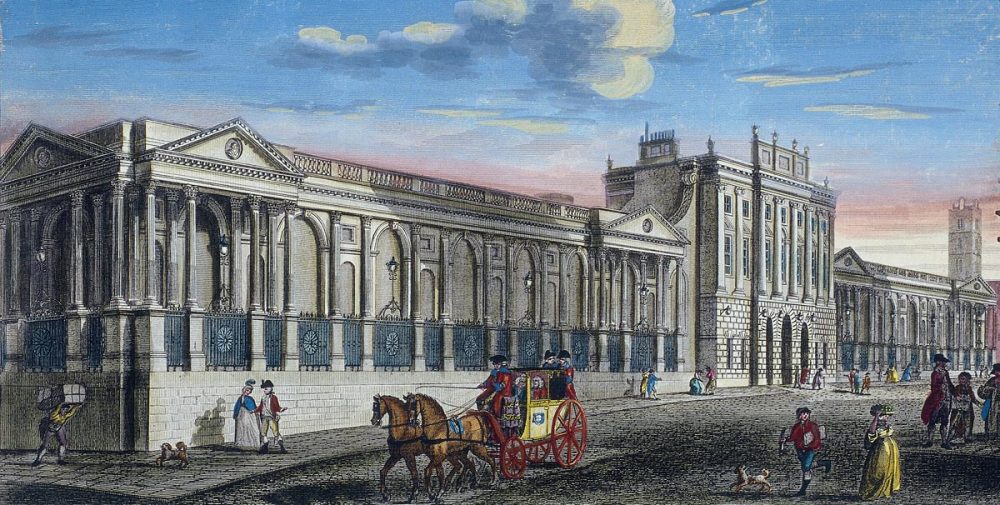
The Bank of England

The Bank of England

A war loan to William III becomes the first modern central bank in 1694, and the template for national debt as something ordinary people can own on paper.

Institution
The 1690s IPO Bubble

The 1690s IPO Bubble

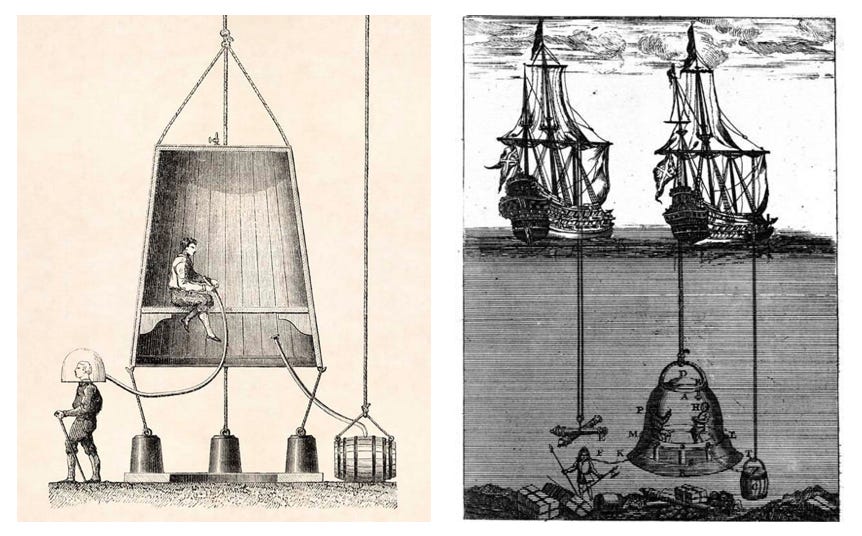
In 1687, treasure hunter William Phips returned from a successful expedition in search of a sunken ship rumored to be full of diamonds and silver, and investors received a 10,000% return, setting off a wave of excitement in London's investment community. There was an explosion in new "sea diving engine" companies and IPOs for unrelated ventures, most of them fraudulent. The crash in 1696 was epic: of 140 English & Scottish companies listed in 1693, 70% were wiped out.

Dojima Rice Exchange: The First Futures Market

Dojima Rice Exchange: The First Futures Market

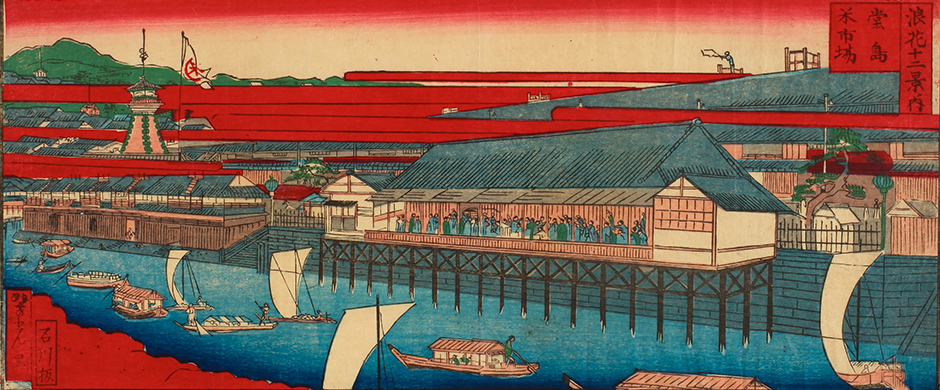
The Dojima Rice Exchange, established in 1697 in Osaka, Japan, is considered the world's first futures market, created to standardize and regulate the trade of rice, which accounted for 90% of government revenues in 1716. Merchants developed rice warehouse receipts, which evolved into rice futures contracts allowing buyers and sellers to agree on a predetermined price for future delivery, reducing price volatility and laying the foundation for modern futures markets.

Market infrastructureRead more: Derivatives: Past, Present & Future
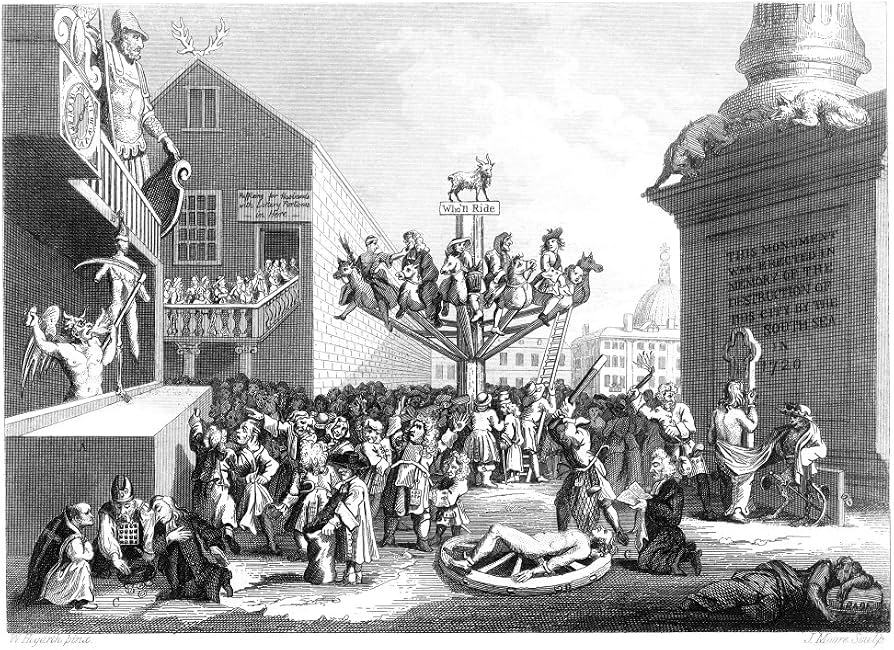
The South Sea Company

The South Sea Company

Robert Harley charters the South Sea Company to convert £9 million of unfunded government debt into equity, secured on a monopoly of trade with Spanish America that barely exists. The debt-for-equity swap is genuinely ingenious. Nine years later it becomes the most famous bubble in English history.

Corporate landmark
John Law's Banque Générale

John Law's Banque Générale

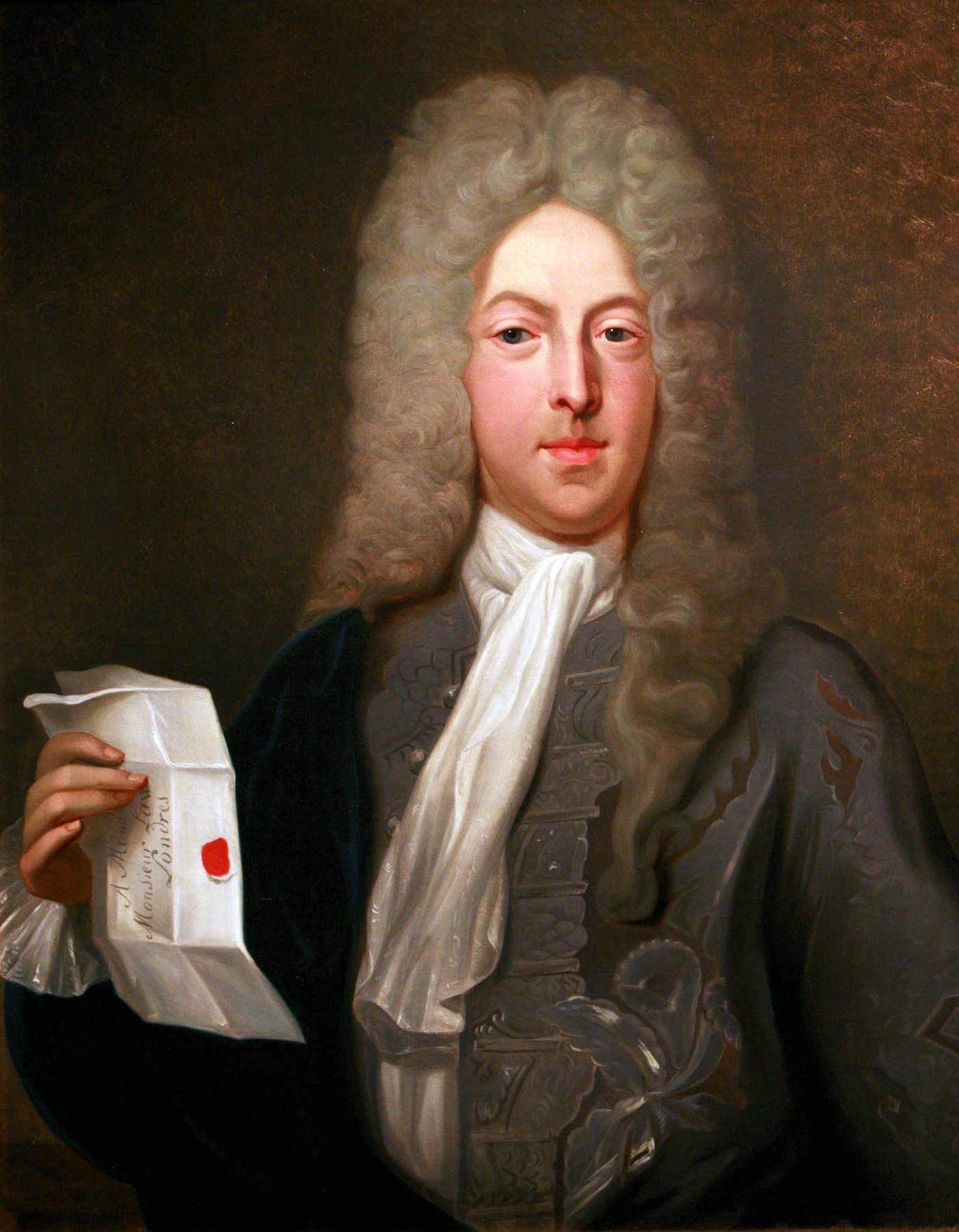
A Scottish gambler and convicted duellist persuades the Regent of France to let him open a note-issuing bank. Law's insight — that elastic paper money can expand trade — is a century ahead of its time. His execution of it produces the Mississippi Bubble.

Institution
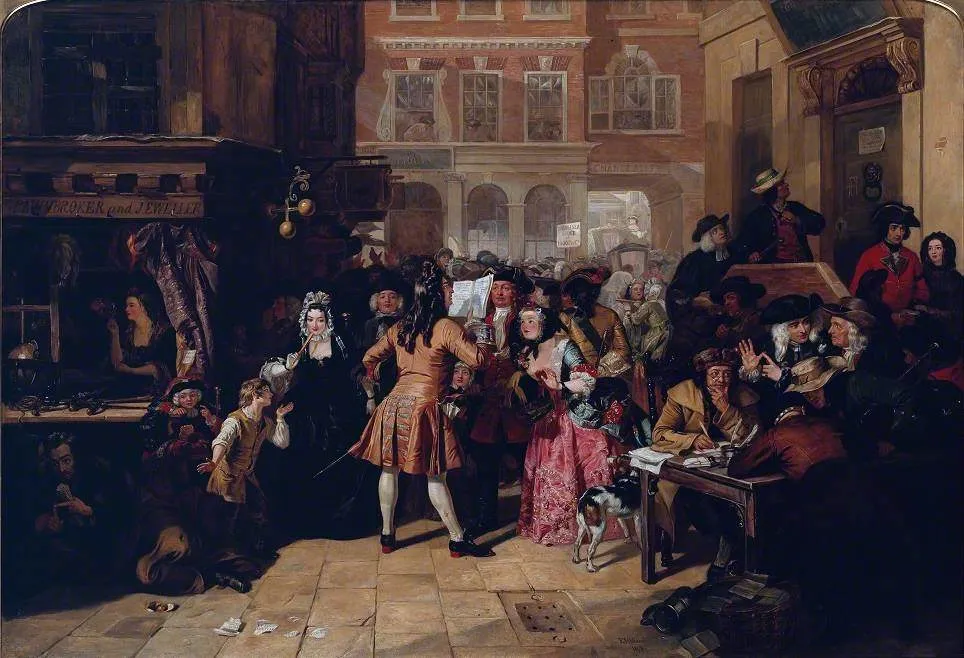
The year of two bubbles

The year of two bubbles

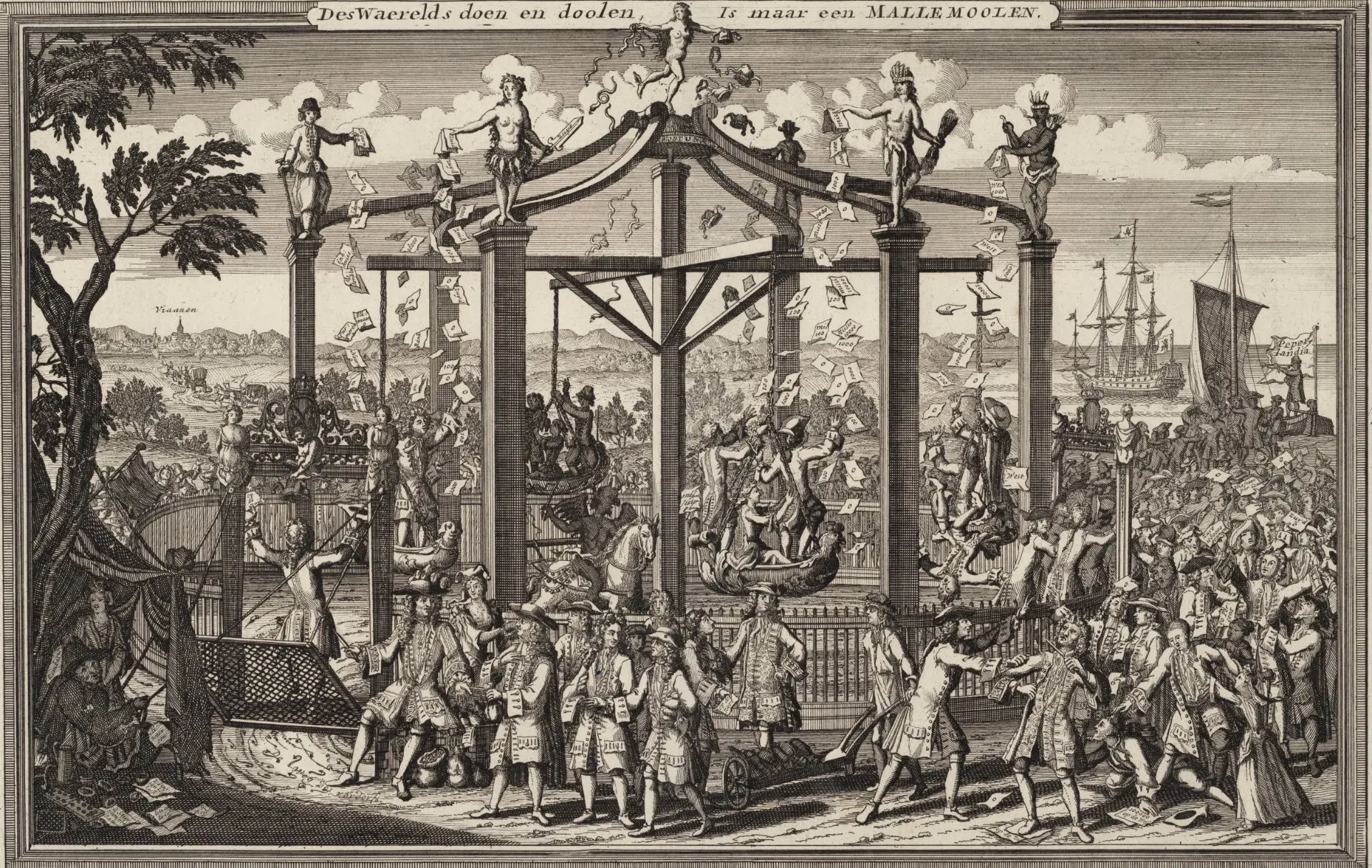
In 1720 the South Sea Bubble in London and John Law's Mississippi Company in Paris inflate and burst in the same year, ruining thousands, Isaac Newton among them.

Bubble & crash
The Bubble Act

The Bubble Act

Parliament bans joint-stock companies formed without a royal charter, ostensibly to protect investors — in practice lobbied for by the South Sea Company to strangle its rivals. The Act suppresses English corporate formation for a century, until its repeal in 1825.

Regulation
1721–1814

Industrial Revolution & the age of revolutions

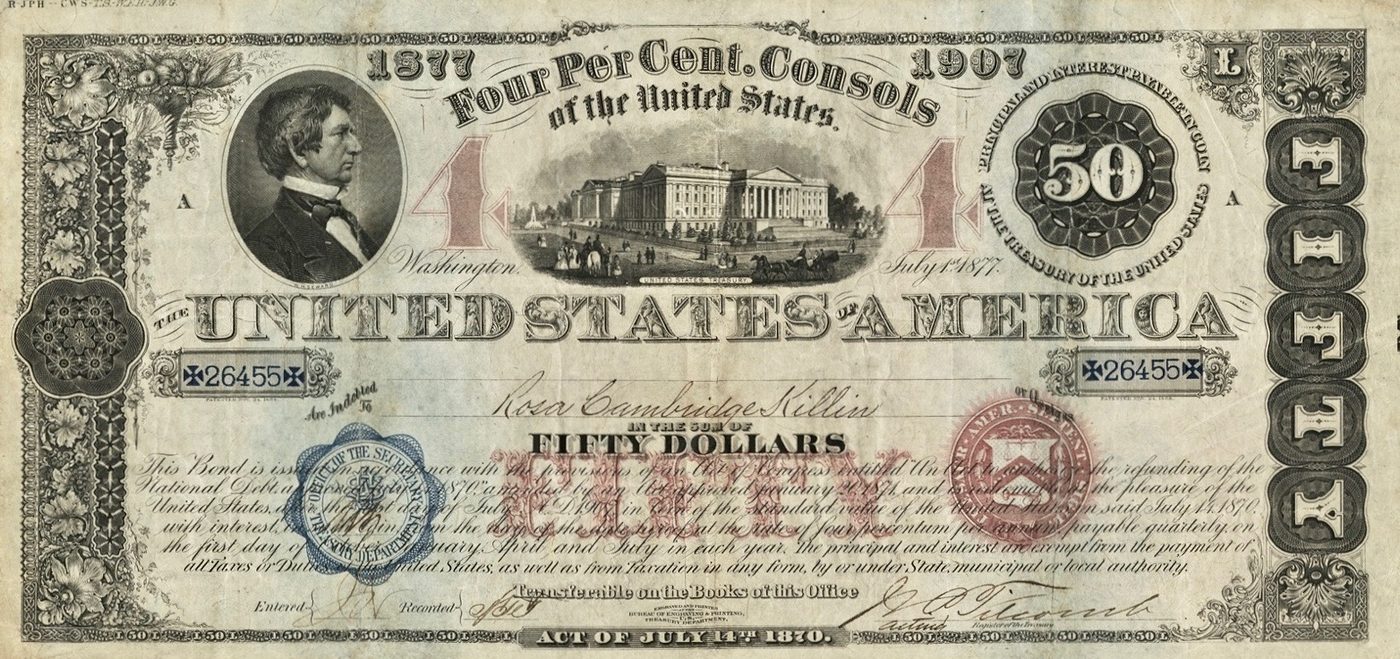
Consols

Consols

Henry Pelham consolidates a tangle of government annuities into a single perpetual 3% stock. Consols never mature, trade continuously, and become the risk-free benchmark of the nineteenth century — the yield against which the world prices everything else.

Instrument
The Amsterdam crisis

The Amsterdam crisis

The end of the Seven Years' War collapses commodity prices and the De Neufville brothers' bill-discounting pyramid unravels, dragging down houses from Hamburg to Stockholm. The first crisis transmitted by short-term credit rather than trade — and the first improvised lender-of-last-resort rescue.

Panic & crisis
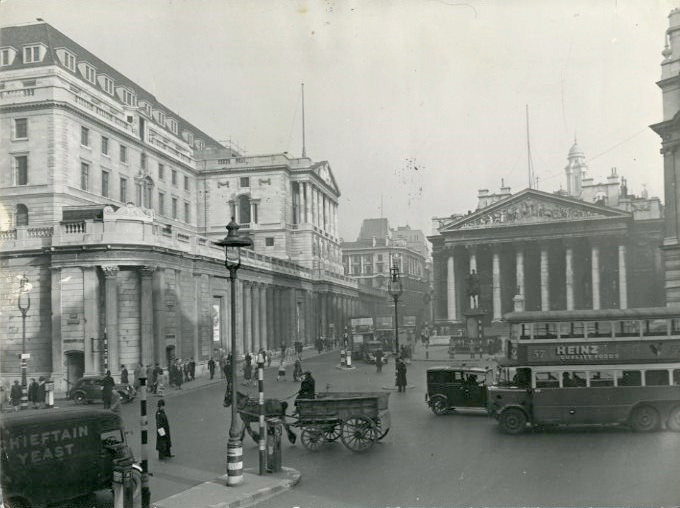
The London Stock Exchange

The London Stock Exchange

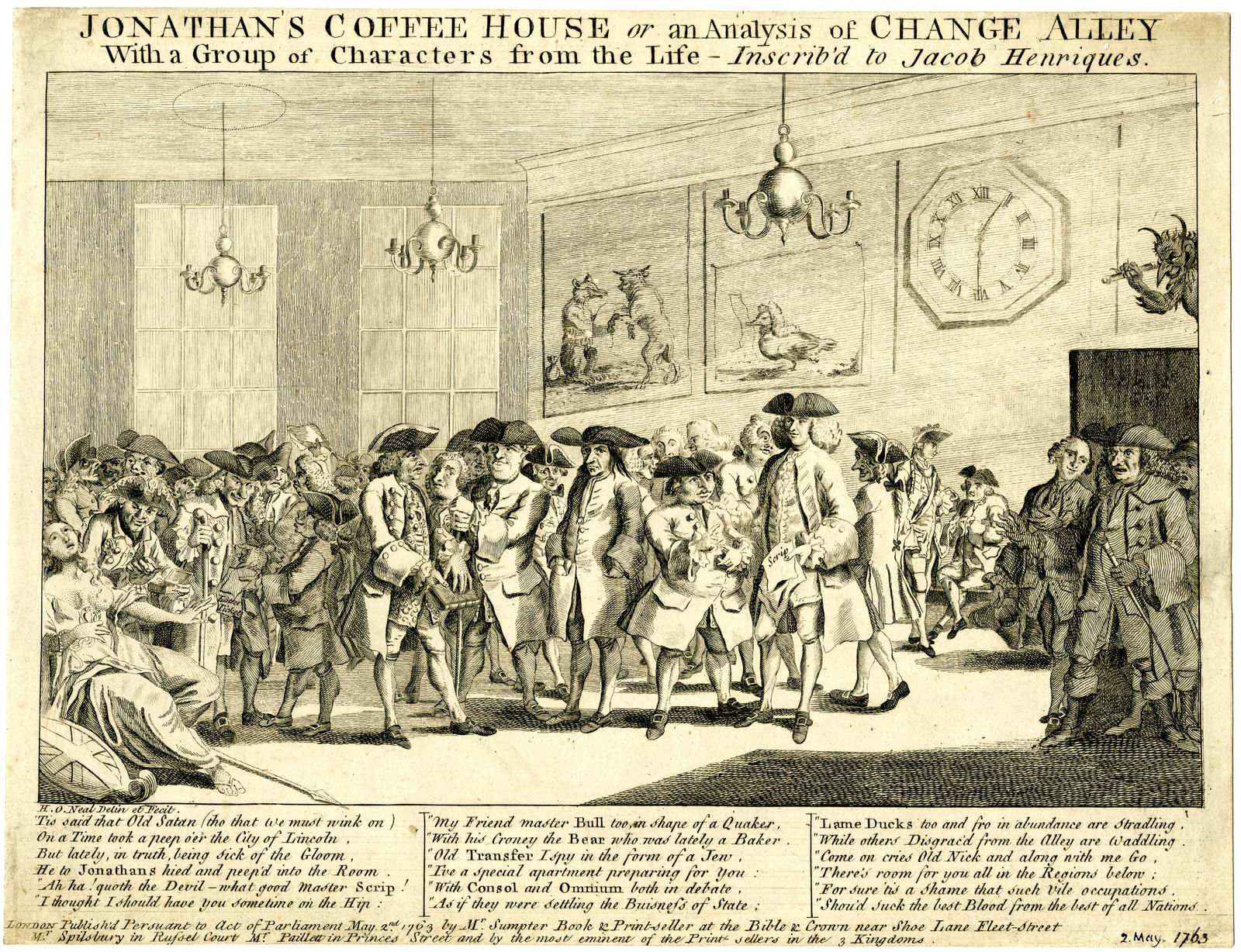
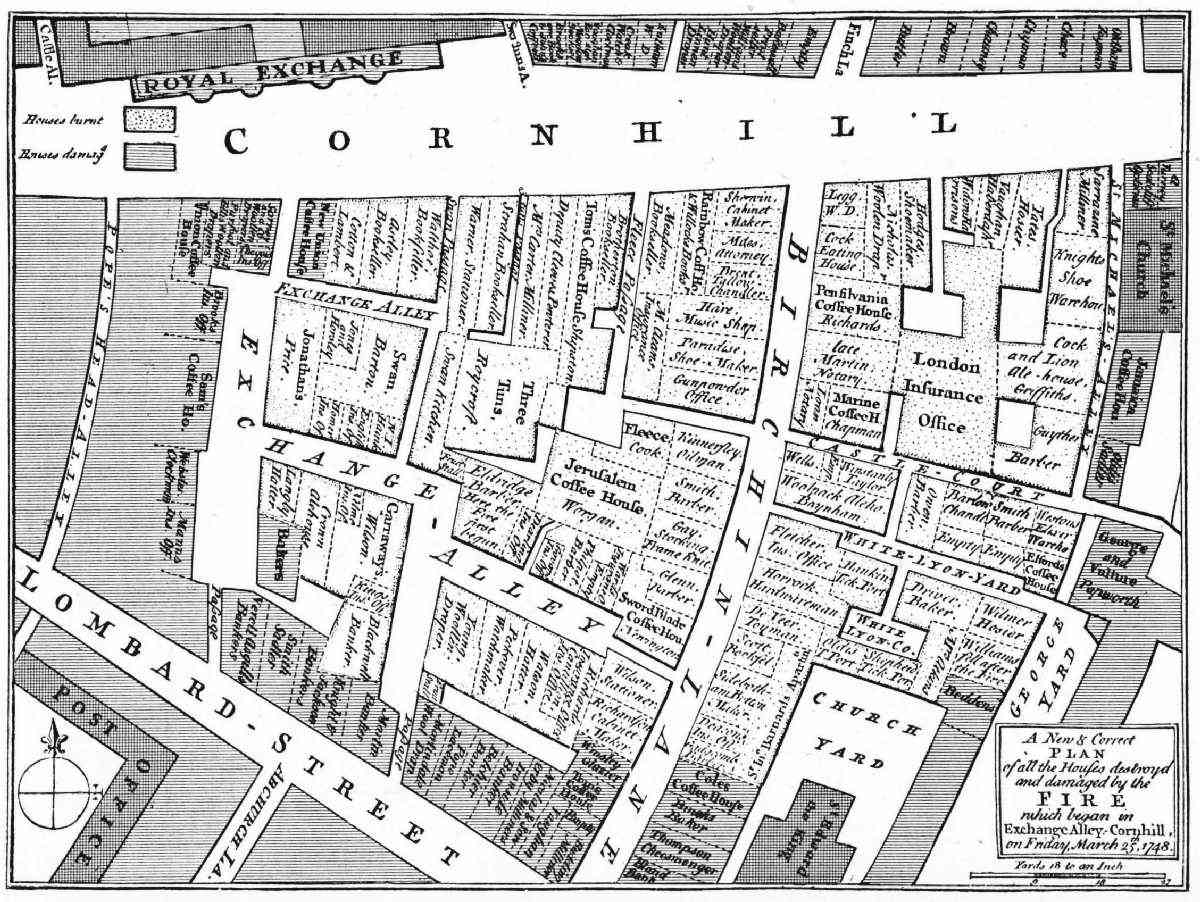
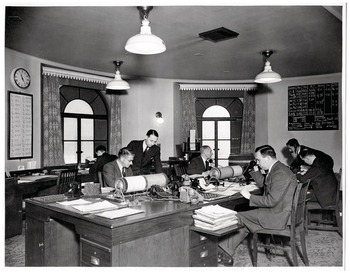
In 1773 the brokers who had gathered for decades at Jonathan's Coffee House in Change Alley finally move into their own building on Threadneedle Street — and the London Stock Exchange is born.

Market infrastructure
First Mutual Fund: Eendragt Maakt Magt

First Mutual Fund: Eendragt Maakt Magt

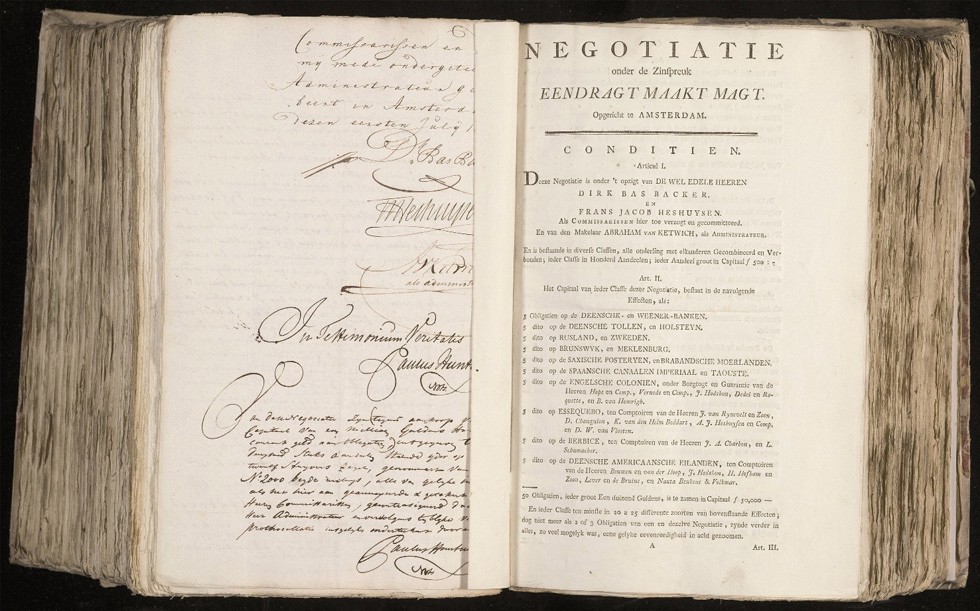
Dutch broker Abraham van Ketwich launched the first "mutual fund" in 1774, named "Eendragt Maakt Magt" ("Unity Creates Strength"), shortly after the financial crisis of 1772. The fund consisted of 50 bonds equally weighted and diversified across 10 sectors, with a low expense ratio of 0.20%, an early lesson in diversification.

InstrumentRead more: Innovations in Asset Management
The Wealth of Nations

The Wealth of Nations

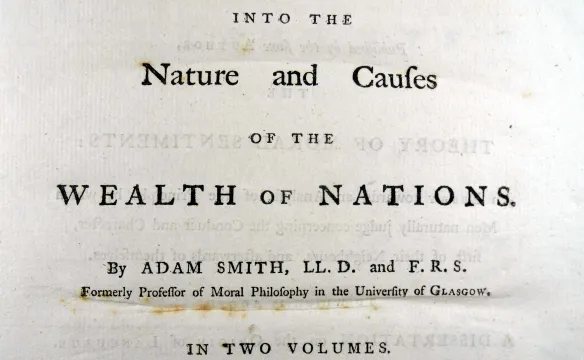
Adam Smith publishes his Inquiry in the year of American independence. Its account of specialisation, self-interest and the joint-stock company's agency problem — directors managing other people's money cannot be expected to watch it like their own — still frames the argument.

Idea & theory
First Inflation-Indexed Bonds

First Inflation-Indexed Bonds

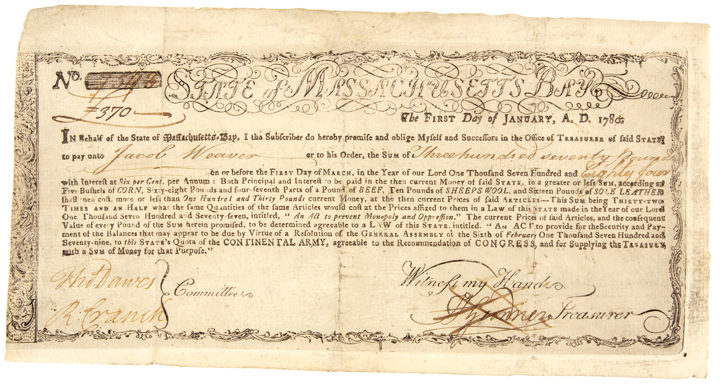
The Commonwealth of Massachusetts issued the first known inflation-indexed bonds in 1780, during the Revolutionary War, as a method of deferred compensation for soldiers whose pay had lost value to inflation. Bond payments were tied to a consumer price index to protect against loss of purchasing power - over two centuries before Treasury Inflation-Protected Securities (TIPS) were first auctioned in 1997.

InstrumentRead more: Inflated Fears
Hamilton funds the debt

Hamilton funds the debt

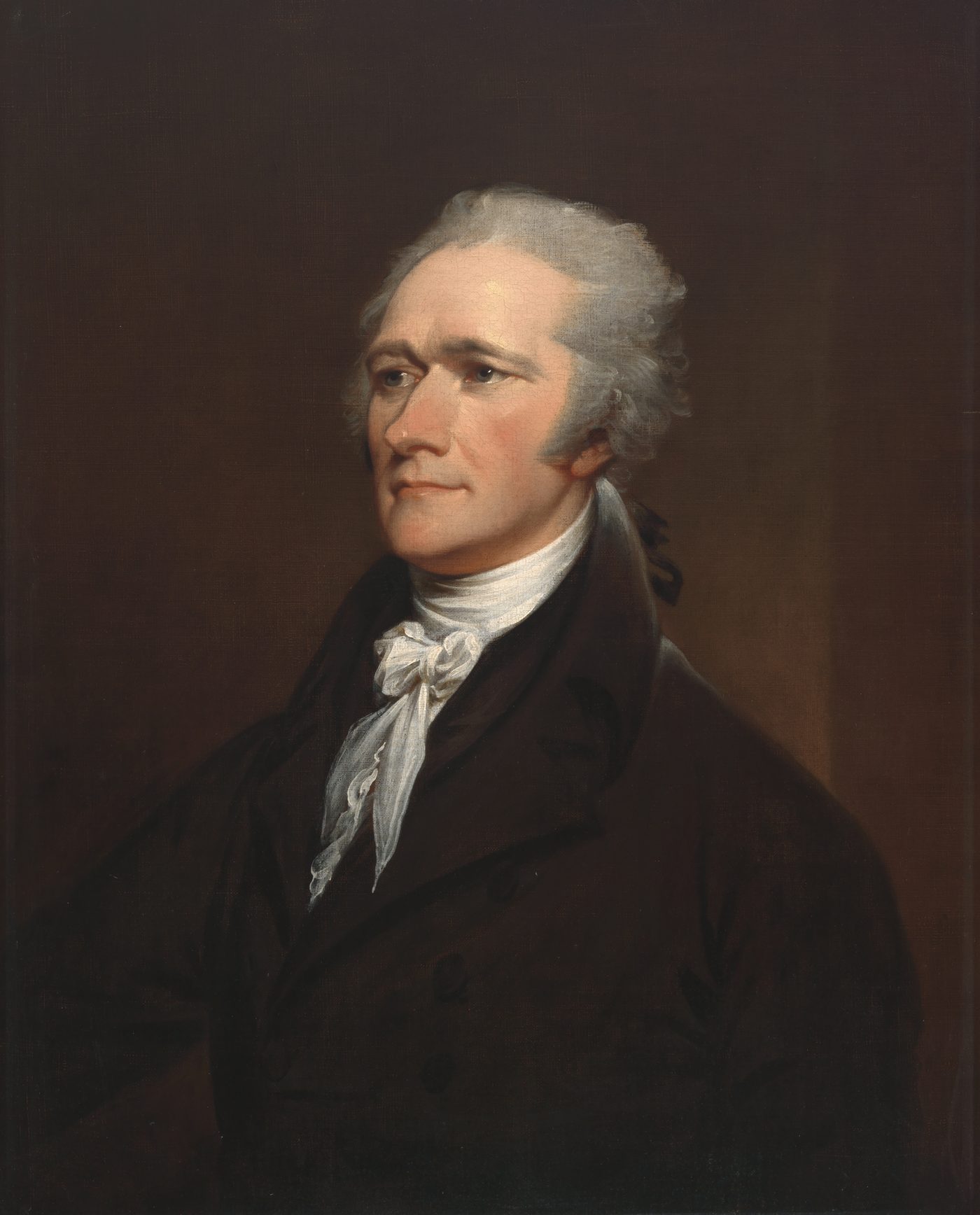
Hamilton's Funding Act has the federal government assume the states' Revolutionary War debts and refinance them into new tradable bonds. A defaulted republic acquires a credit standing, a securities market and — in the dinner-table bargain that moved the capital to the Potomac — a capital city.

Sovereign debt
The First Bank of the United States

The First Bank of the United States

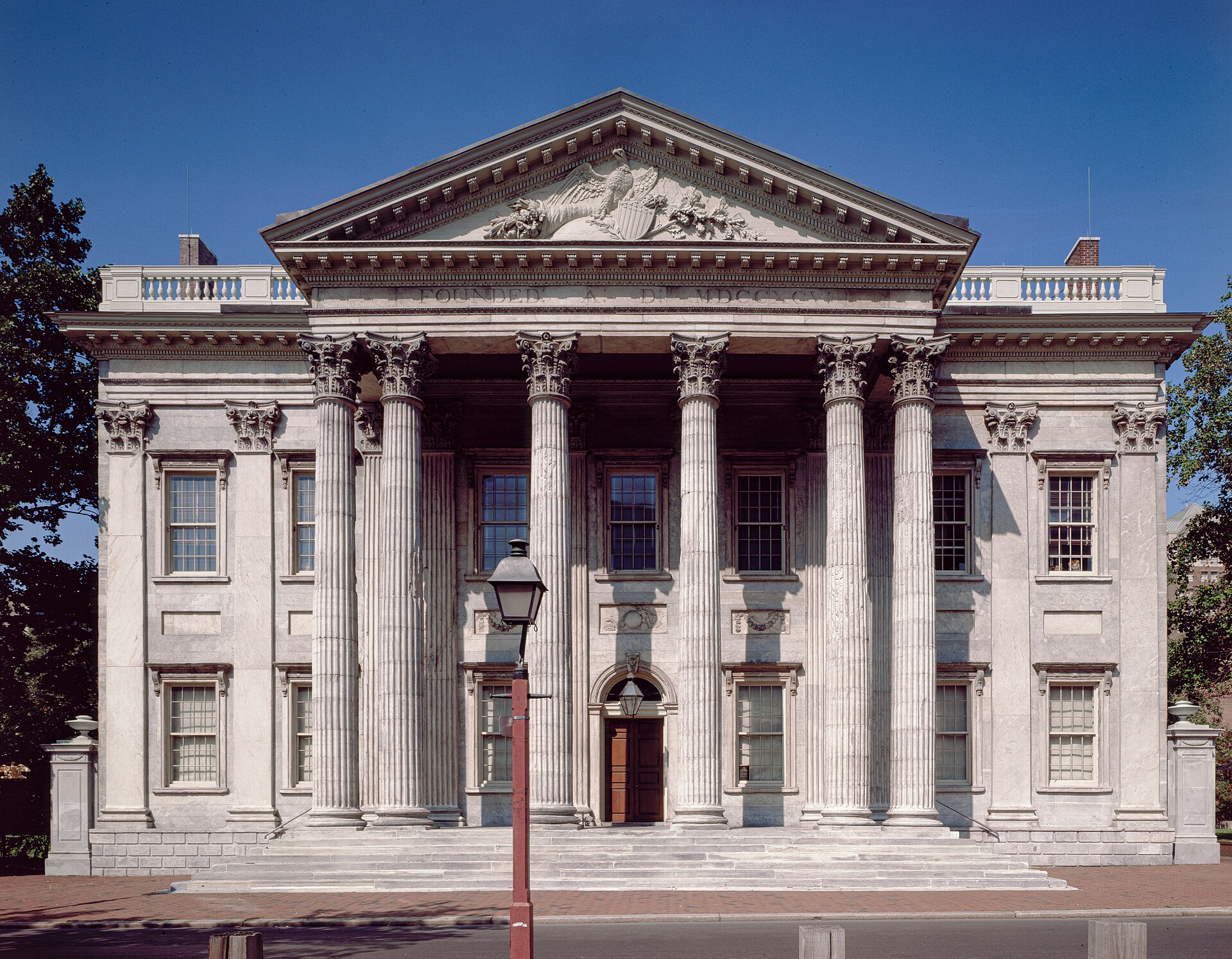
When Alexander Hamilton became the first Treasury Secretary in 1789, the United States had no tax revenue, was in default on domestic debts, and had no national currency, banking system, or securities market. Congress approved the "Bank of the United States" in 1791 with a $10 million capitalization, 80% privately owned; its IPO was on July 4, 1791, with investors paying 25% in specie and 75% in US debt securities. Chartered for 20 years, it was not renewed in 1811.

InstitutionRead more: Panic Series (Pt. I): 1792
The Buttonwood Agreement

The Buttonwood Agreement

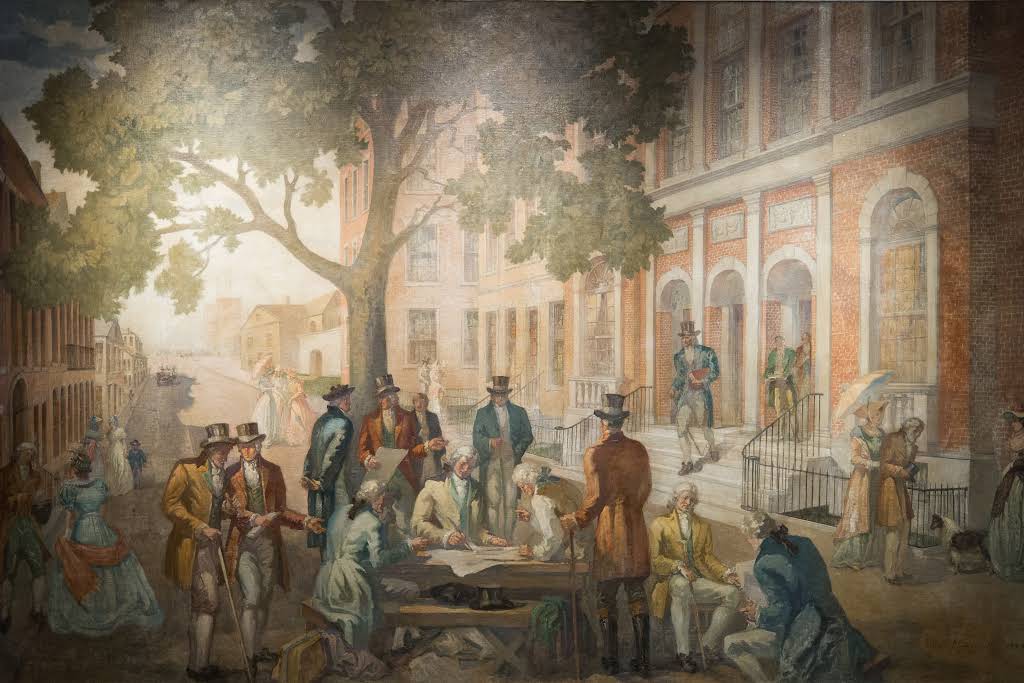
Twenty four brokers sign a pact under a buttonwood tree on Wall Street in 1792, founding what becomes the New York Stock Exchange.

Market infrastructure
America's First Panic: 1792

America's First Panic: 1792

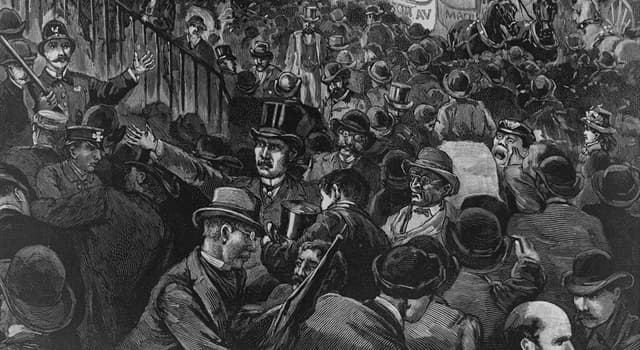
America's first financial panic in 1792 centered on William Duer, a former secretary to the Board of the Treasury who resigned and used his inside knowledge to speculate on government debt and bank stocks. Duer and associates attempted to corner the market while borrowing heavily, convincing others he could offer guaranteed returns. The scheme collapsed and Duer died in debtor's prison in 1799.

Panic & crisisRead more: The Panic of 1792
The Bank Restriction

The Bank Restriction

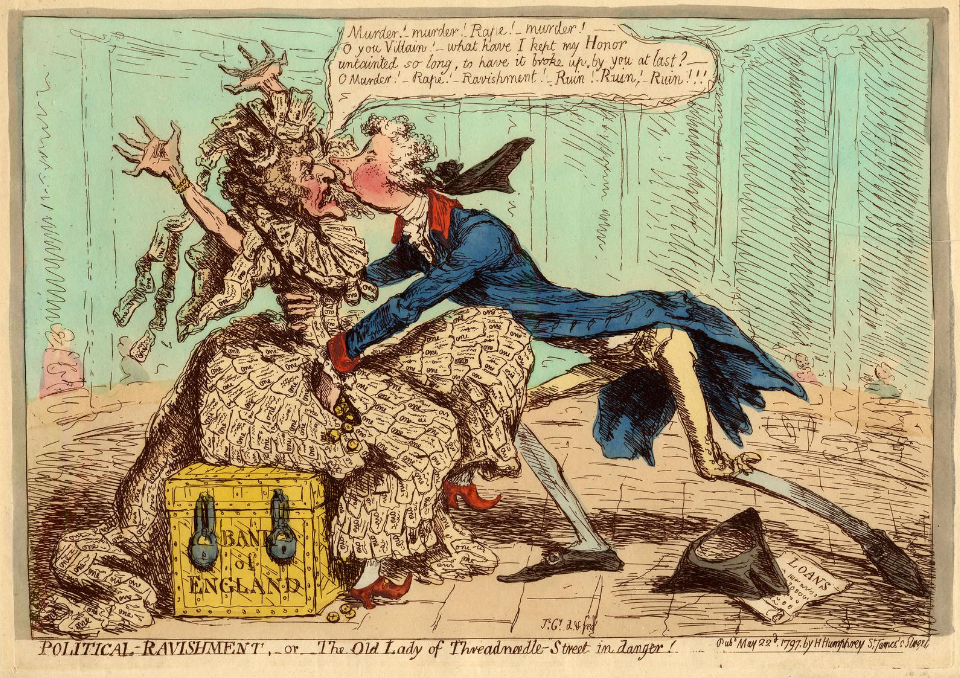
Invasion panic drains the Bank of England's reserves and Pitt suspends cash payments. For twenty-four years the pound is inconvertible paper. Gillray draws the Bank as an old lady in a dress of banknotes being ravished by the Prime Minister, and the nickname sticks for good.

Monetary regime
1815–1872

Pax Britannica & the railway age

Waterloo and the Rothschilds

Waterloo and the Rothschilds

In 1815 Nathan Rothschild's couriers bring news of Wellington's victory at Waterloo to London ahead of the official dispatches. His family is already the dominant force in European government bonds; the battle cements their reputation as the bankers who could move markets — and, legend says, profit from peace before anyone else knew it had come.

Sovereign debt
The New York Stock & Exchange Board

The New York Stock & Exchange Board

In 1817 the brokers who signed the Buttonwood Agreement formally constitute the New York Stock & Exchange Board, adopting written rules, a constitution, and a rented room on Wall Street. The loose pact becomes an institution — the direct ancestor of the NYSE.

Market infrastructure
America's First Depression: Panic of 1819

America's First Depression: Panic of 1819

The Panic of 1819 is considered America's first Depression, driven by a real-estate boom tied to the government's sale of western land grants on credit to pay off War of 1812 debts. A sudden decline in American crop prices in Europe tanked the economy: in Virginia, merchant licenses dropped 40% between 1818-1819, and in Philadelphia, employment across 30 industries dropped 78% between 1816-1819.

Panic & crisisRead more: The Panic of 1819
The Poyais bond fraud

The Poyais bond fraud

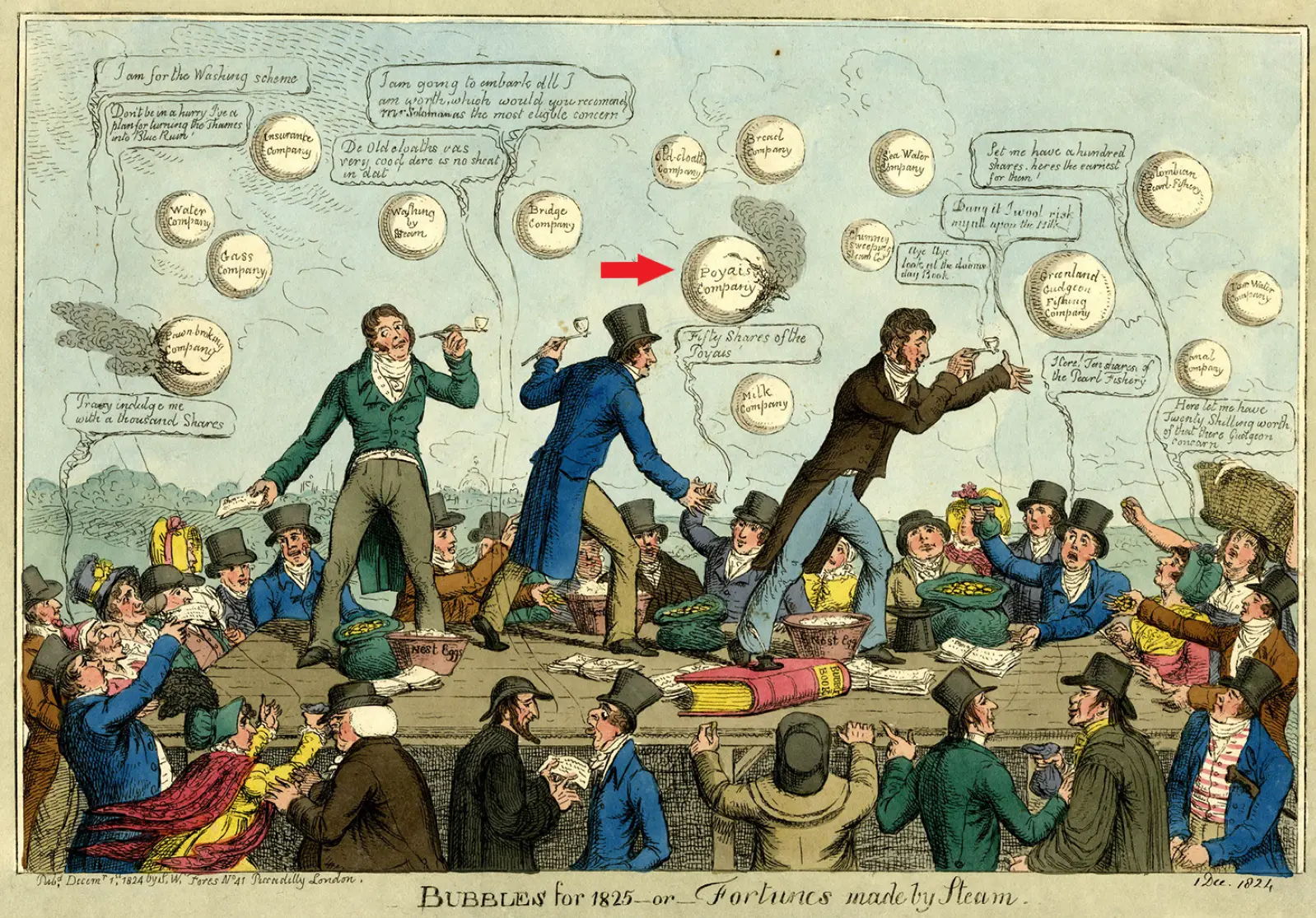
In 1825 Gregor MacGregor, a Scottish soldier and adventurer, sells bonds and land rights for Poyais — a Central American paradise with a capital city, a theatre, and a parliamentary constitution. The only problem: Poyais does not exist. Hundreds of settlers sail for a country of jungle and swamp, and British investors lose what would today be billions in one of the most audacious frauds in financial history.

Fraud
Panic of 1825: First Emerging Markets Crisis

Panic of 1825: First Emerging Markets Crisis

1825 was a year of bubbles fueled by low interest rates after the Napoleonic Wars, pushing British investors starved for yield into newly independent Latin American countries' high-yielding sovereign bonds, then into mining stocks and fraudulent joint-stock schemes. The craze ended as rates rose, money markets tightened, and a wave of bank failures followed.

Panic & crisisRead more: The Panic of 1825: In Quest of Aztec Gold
First Credit Rating Agency

First Credit Rating Agency

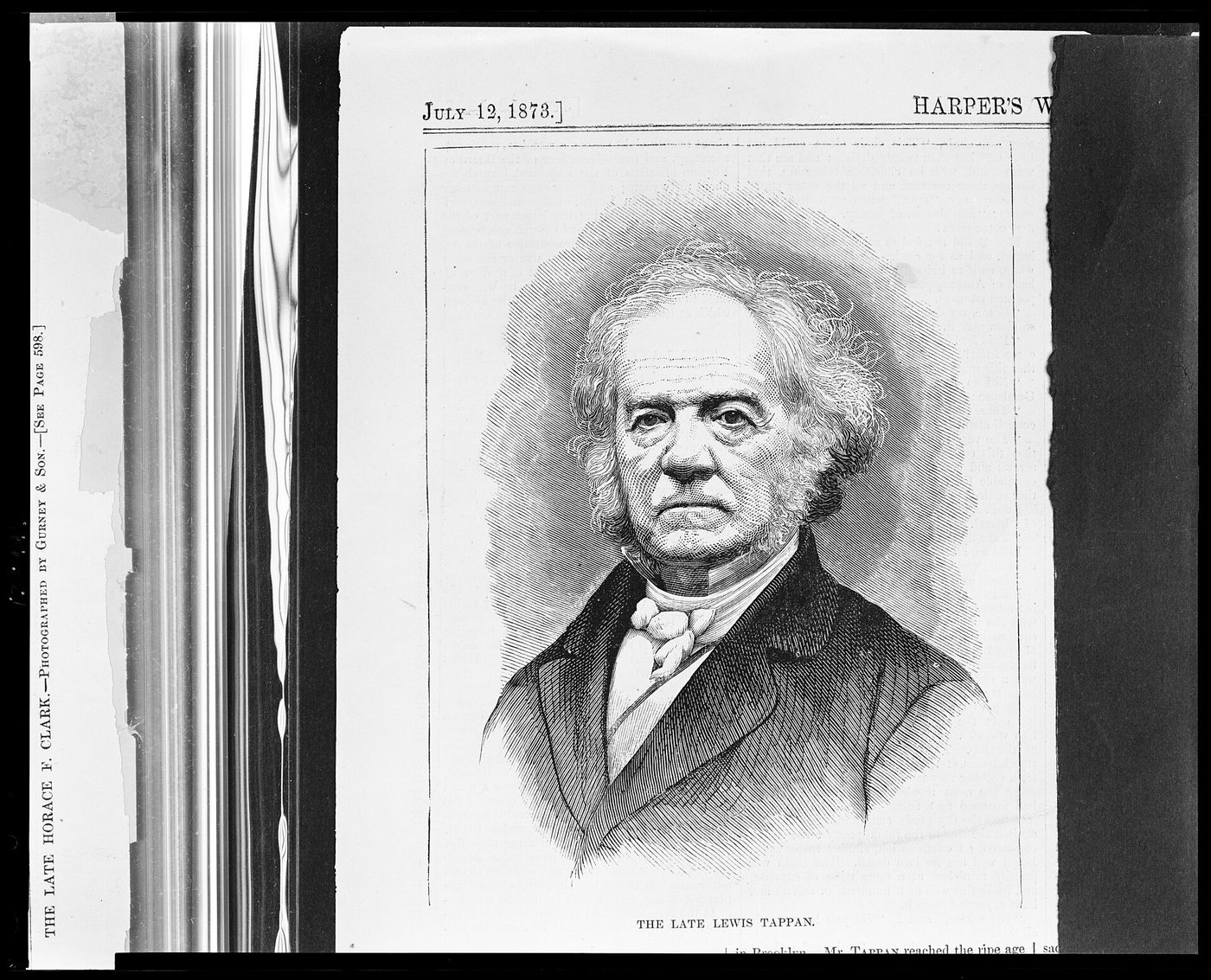
In 1841, Lewis Tappan founded The Mercantile Agency in New York, the first credit rating agency, responding to the shift from local reputation-based credit assessment to national business conducted via the expanding railroads. The agency compiled credit books from a nationwide network of correspondents. It evolved into R.G. Dun & Co., which merged with the Bradstreet Company in 1933 to form Dun & Bradstreet.

InstitutionRead more: Technology & Data Analysis: The Evolution of Risk Management
Invention of The Telegraph

Invention of The Telegraph

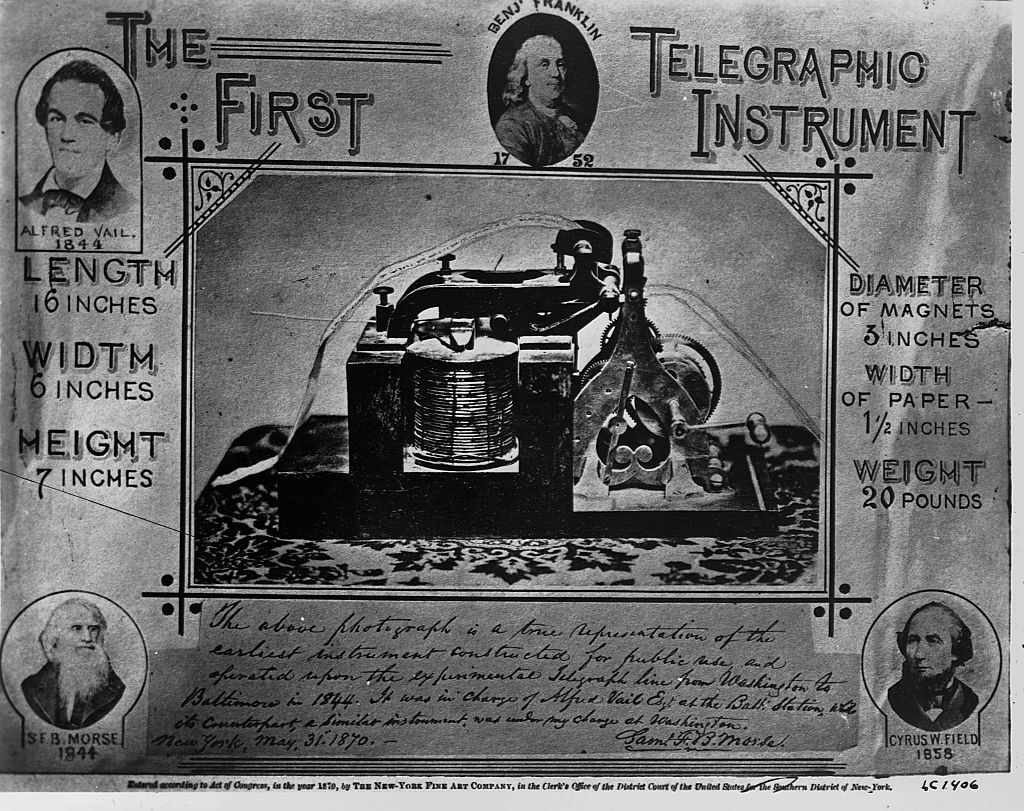
The first telegraph line was introduced in the US in 1844, connecting Washington, D.C. and Baltimore. Credited to Samuel Morse, the telegraph revolutionized long-distance communication, allowing faster transmission of stock prices and financial news essential to the growing financial markets - and later made the stock ticker possible.

TechnologyRead more: Speculation is Necessary. Governments Can Help.
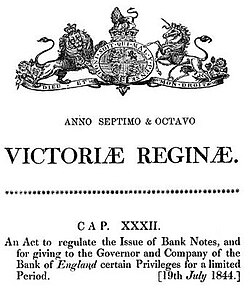
Peel's Bank Charter Act

Peel's Bank Charter Act

The Act splits the Bank of England into an Issue Department backed pound-for-pound by gold and a separate Banking Department, and begins the monopolisation of note issue. Its rigidity has to be suspended in every serious crisis that follows — 1847, 1857 and 1866.

Regulation
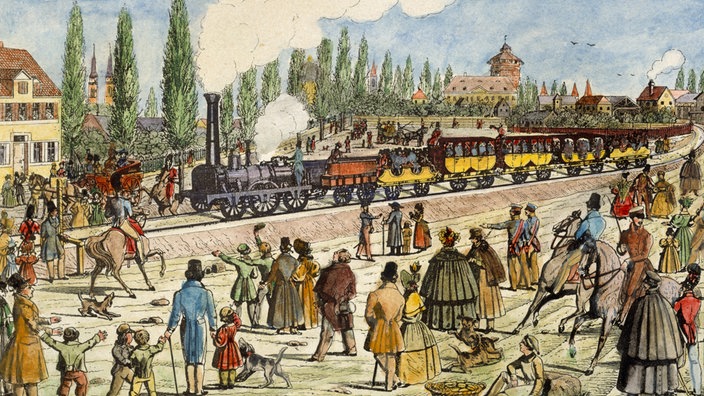
Railway mania

Railway mania

In the 1840s Britain pours the equivalent of half its GDP into railway shares, many for lines never built. The crash writes the playbook for every infrastructure bubble since.

Bubble & crash
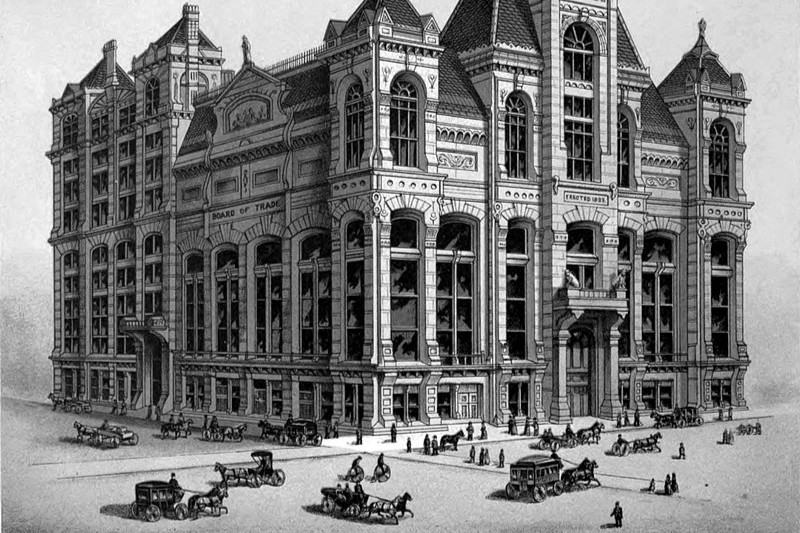
Chicago Board of Trade (CBoT) Founded

Chicago Board of Trade (CBoT) Founded

As Chicago became the heart of America's grain trade, merchants needed to hedge the risk and cost of storing grain between harvest and sale, leading to early "time contracts" for future delivery. The Chicago Board of Trade (CBOT) was founded on April 3, 1848 with 82 members; by 1859 it was a state-chartered association regulating grain trading and inspection, and by 1865 was converting forward contracts into standardized futures contracts.

Market infrastructure
Limited liability for all

Limited liability for all

Britain's Joint Stock Companies Act lets any seven people incorporate with limited liability by registration alone, no charter required. The word Limited enters company names, downside risk is capped at the sum subscribed, and the share certificate finds its mass market.

Regulation
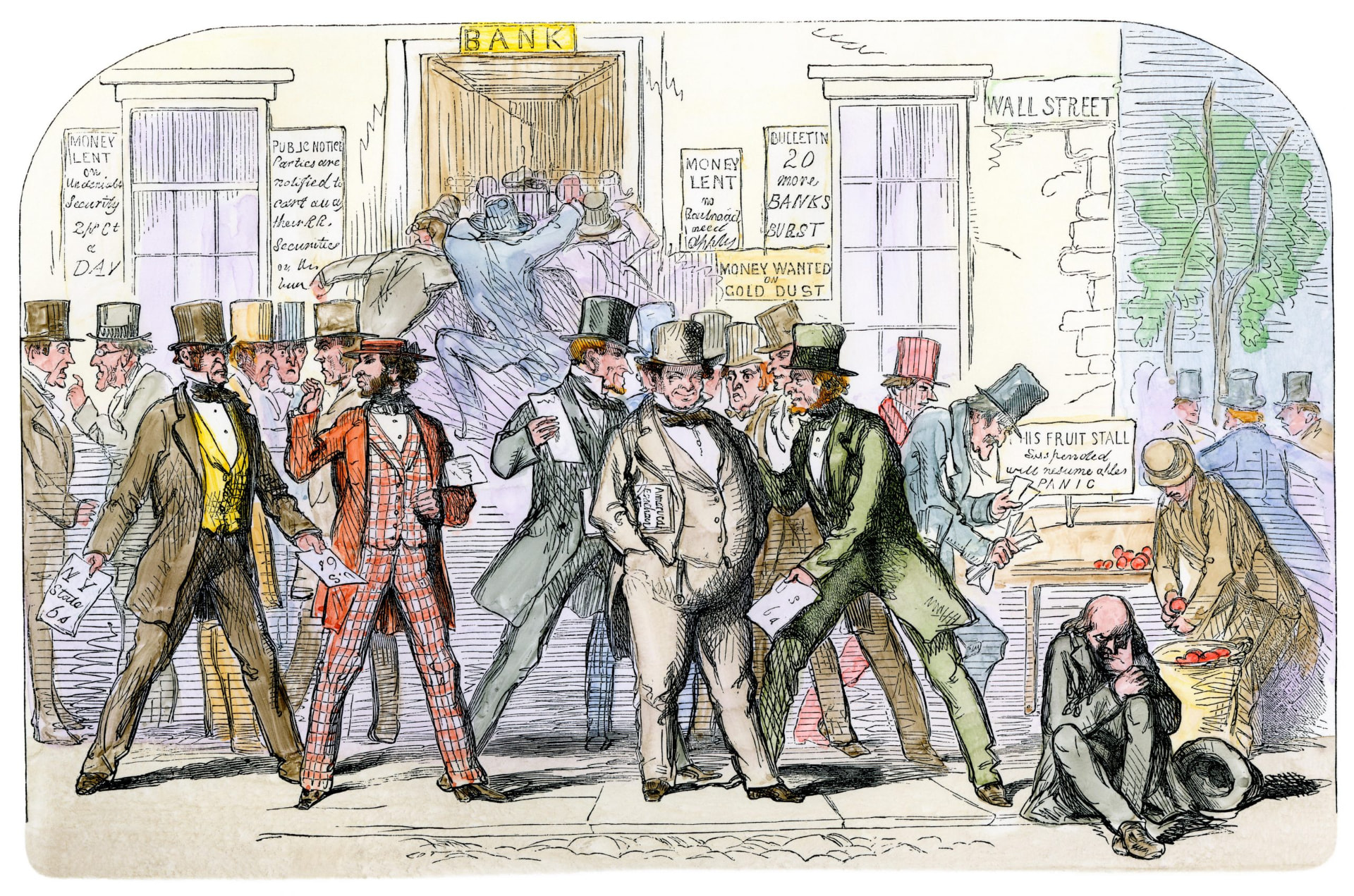
The first global crisis

The first global crisis

The failure of the Ohio Life Insurance and Trust Company spreads by telegraph and steamship to Liverpool, Hamburg and Stockholm within weeks. Marx and Engels follow it obsessively, expecting revolution. It is the first panic to travel at the speed of the wire.

Panic & crisis
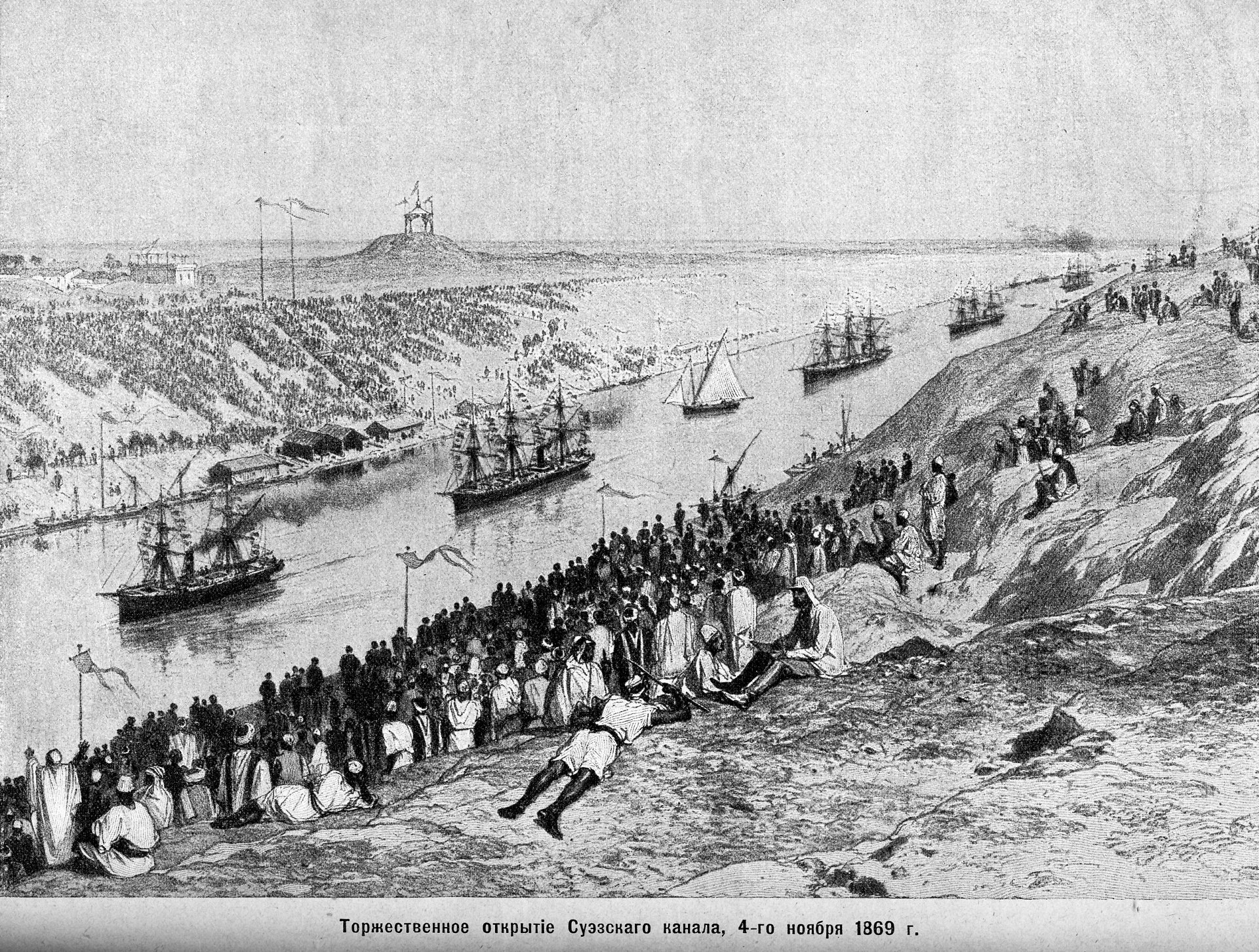
The Suez Canal Company

The Suez Canal Company

In 1858 Ferdinand de Lesseps founds the Compagnie Universelle du Canal Maritime de Suez. The company's shares — issued in francs, pounds, and thalers to investors across Europe — become one of the most iconic pieces of paper in scripophily, financing the canal that cuts the passage to India by 6,000 miles.

Corporate landmark
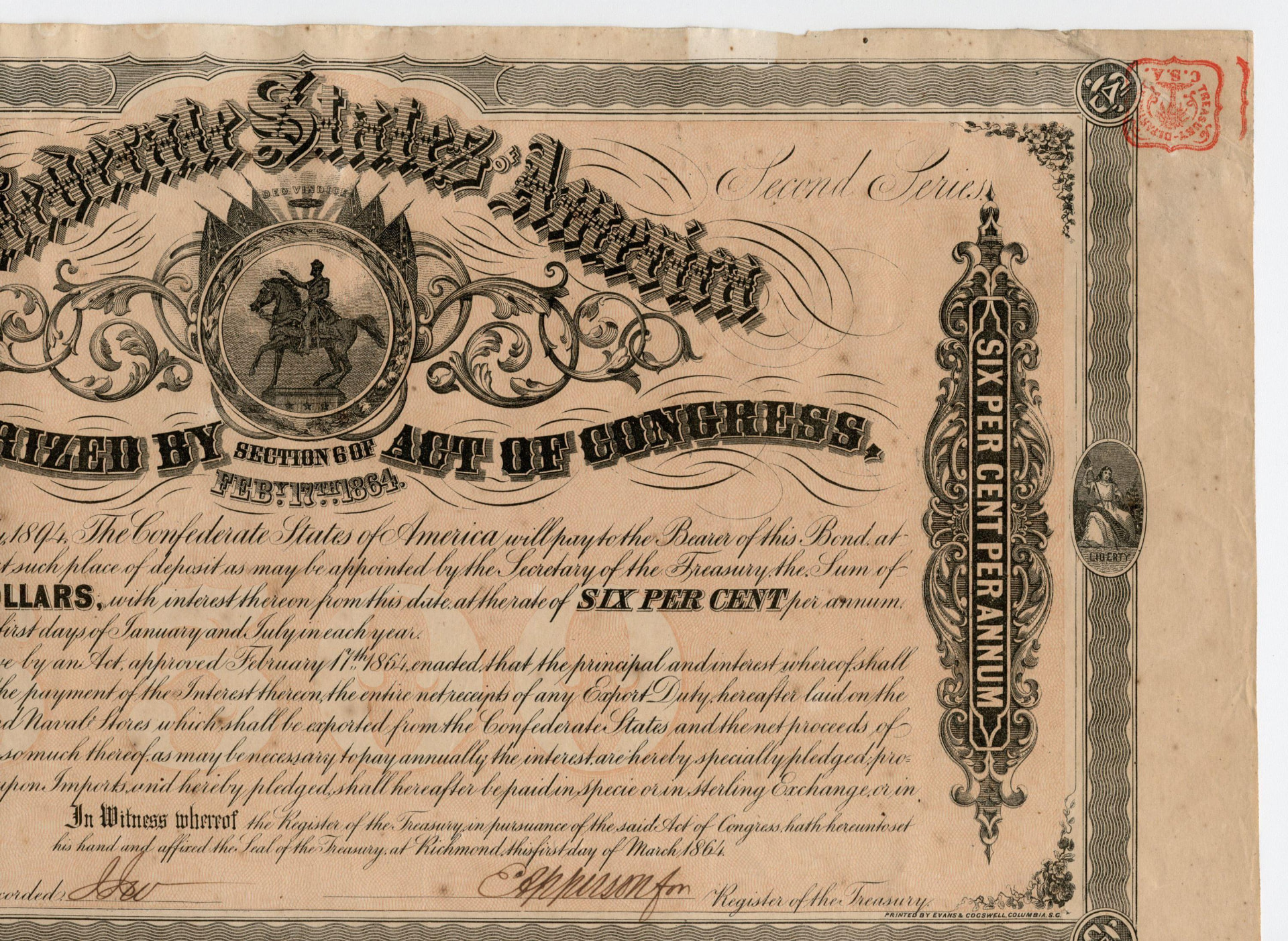
Confederate bonds become worthless

Confederate bonds become worthless

In 1865 the Confederacy collapses and its bonds — which had financed the Civil War and were held across the South and Europe — become worthless overnight. The beautiful engraved certificates, many signed by hand, survive as relics of a lost cause and become one of the most collected categories in American scripophily.

Sovereign debt
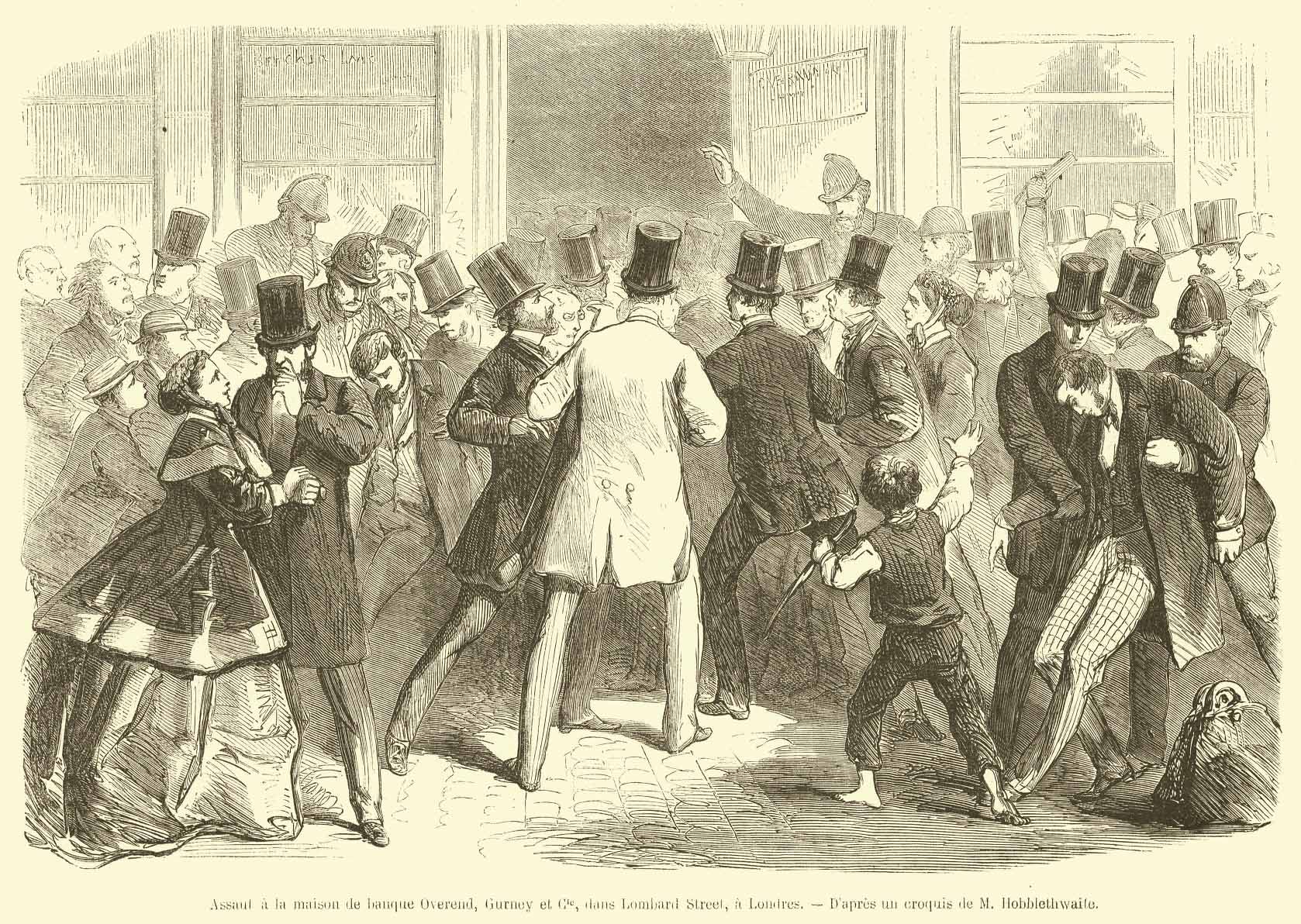
Overend, Gurney fails

Overend, Gurney fails

The greatest discount house in London suspends payment on Black Friday and the Bank of England lets it fail — then lends freely to everyone else at 10%. The distinction between insolvency and illiquidity is drawn in public for the first time.

Panic & crisis
Stock Ticker Invented

Stock Ticker Invented

In 1867, Edward A. Calahan invented the stock ticker, enabling near real-time reporting of stock prices via telegraph cables and democratizing access to market information beyond those physically present at the exchange. By 1905, 23,000 offices paid for ticker services in the US. Thomas Edison later improved the design with the Universal Stock Ticker, his first commercially successful invention.

TechnologyRead more: How Technology Changes Competitive Advantages
The Erie War

The Erie War

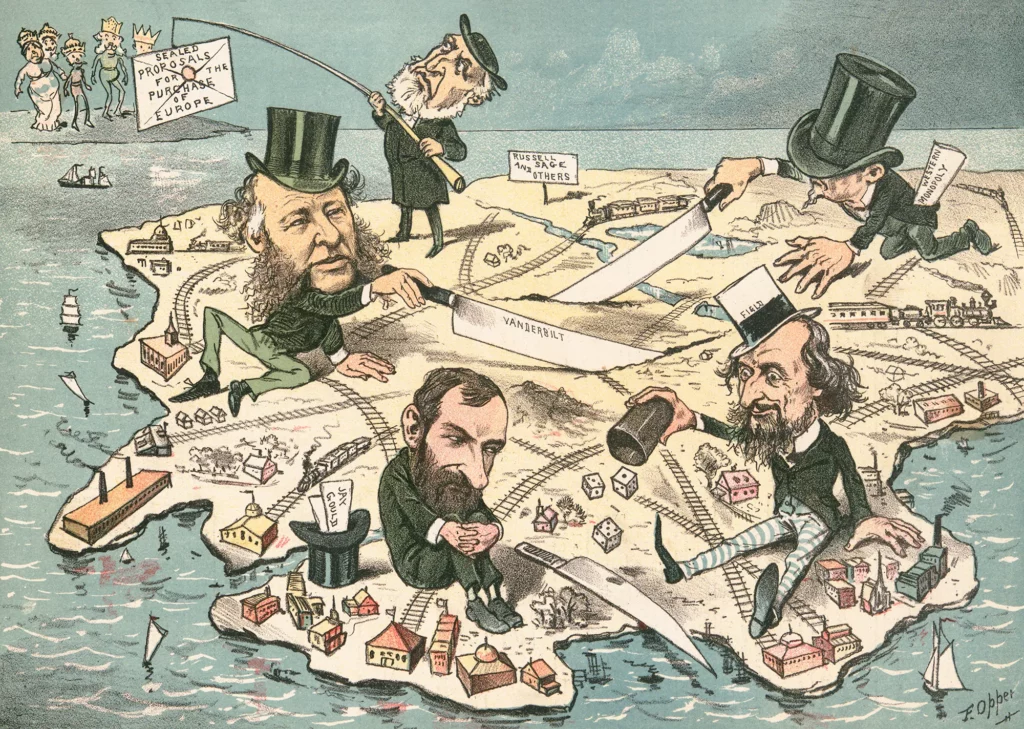
In 1868 Jay Gould and Jim Fisk team up against Cornelius Vanderbilt in a vicious battle for control of the Erie Railway. They issue thousands of watered shares, bribe judges with hundred-dollar cigars, and flee to Jersey to avoid arrest — minting some of the most notorious certificates in American railroad history.

Corporate landmark
First Emerging Markets Fund

First Emerging Markets Fund

The Foreign and Colonial Government Trust (FCGT), established in London in 1868, focused on loans to foreign governments and is the world's oldest closed-end fund still in operation. Its first prospectus listed yields from 5.1% (New South Wales) to 15.43% (Turkey), versus 3.2% on government consols, and its popularity spurred a wave of new trusts - 100 were in operation by 1890.

InstrumentRead more: The Yield of an Empire
The transcontinental railroad

The transcontinental railroad

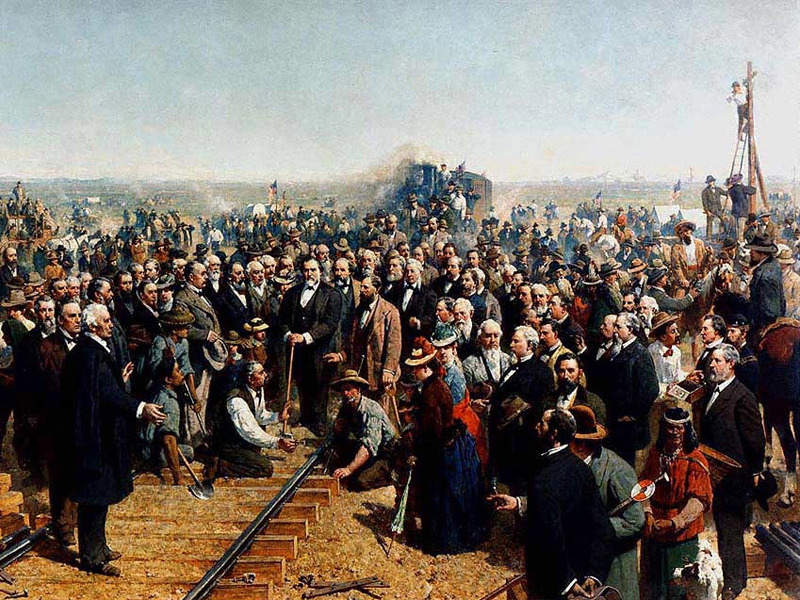
In 1869 the golden spike joins the Union Pacific and Central Pacific, financed by the greatest flood of share and bond issues America had ever seen. US railroad certificates remain the largest collecting field in scripophily today.

Corporate landmark
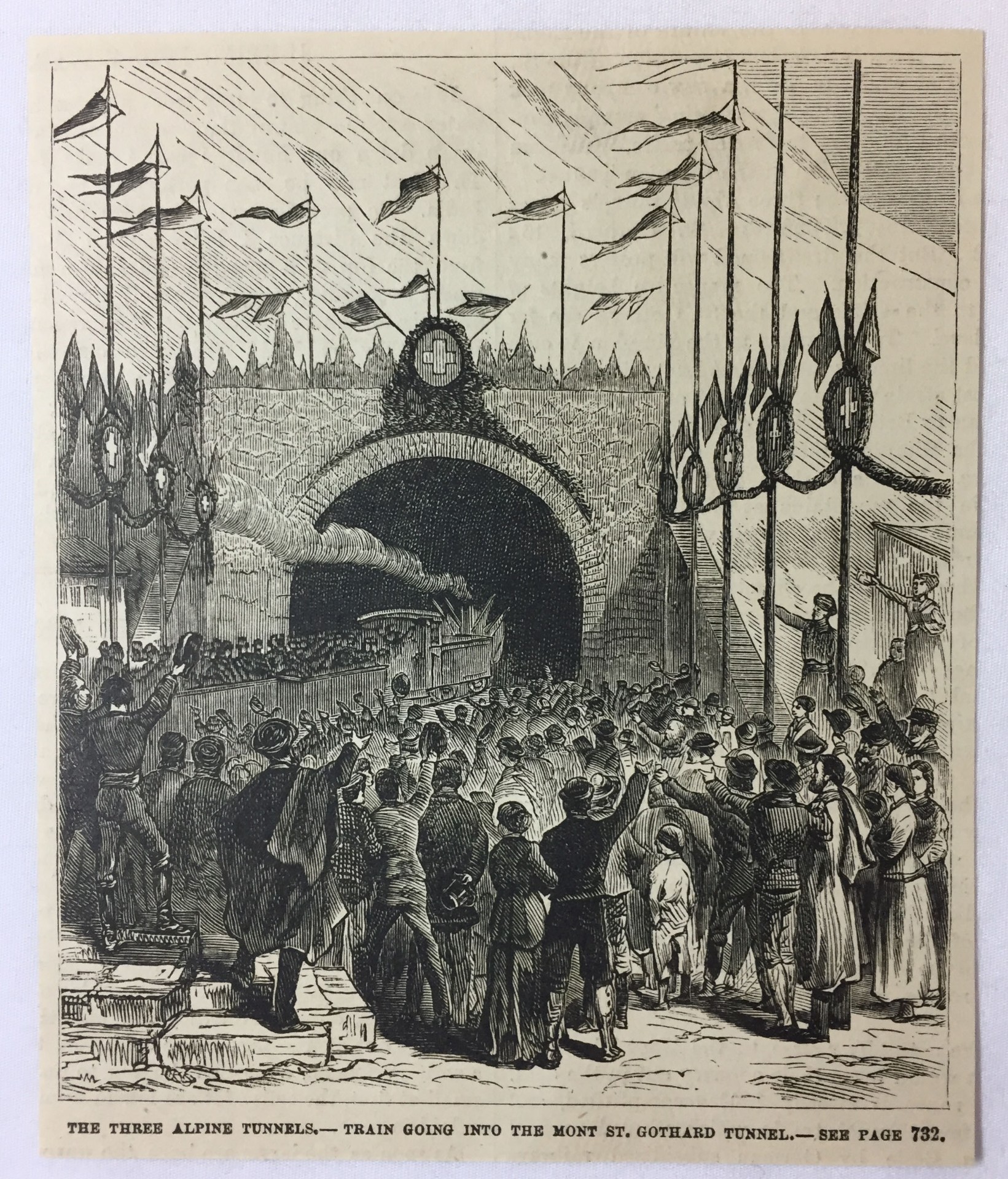
Switzerland pierces the Alps

Switzerland pierces the Alps

From 1872 an international syndicate of shares and bonds finances the Gotthardbahn, the tunnel that connects northern and southern Europe and puts Swiss finance on the map.

Corporate landmark
Classical gold standard · 1873–1914
Monetary regime — Classical gold standard
1873–1913

First globalisation & the classical gold standard

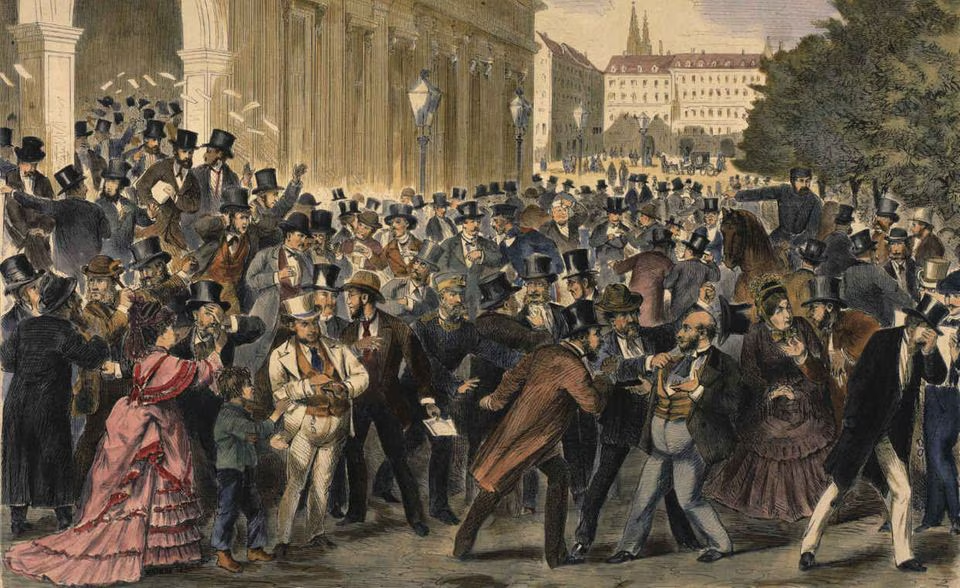
The Gründerkrach

The Gründerkrach

The Vienna and Berlin exchanges collapse in 1873 after a founding frenzy of new joint stock companies, just as Germany and the United States anchor their currencies to gold. A two-decade depression follows.

Panic & crisis
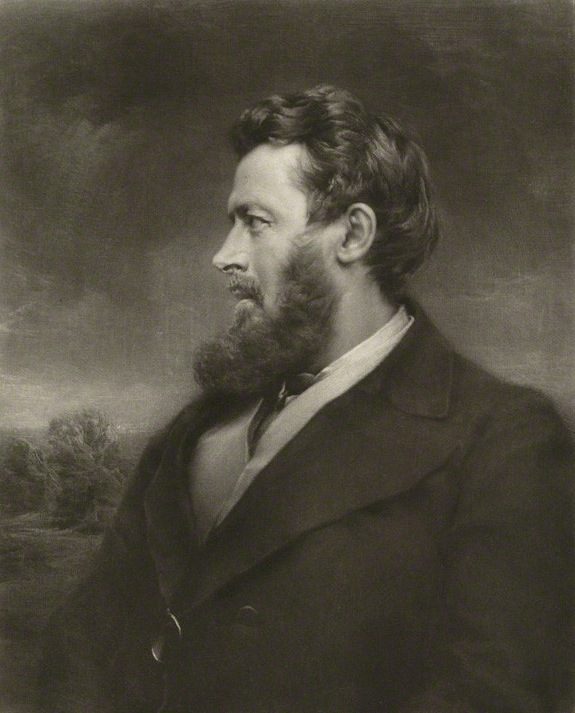
Lombard Street

Lombard Street

Walter Bagehot sets down the rule central bankers still cite: in a panic, lend early and freely, at a penalty rate, against good collateral. Written to describe what the Bank of England actually did in 1866, it becomes the constitution of the lender of last resort.

Idea & theory
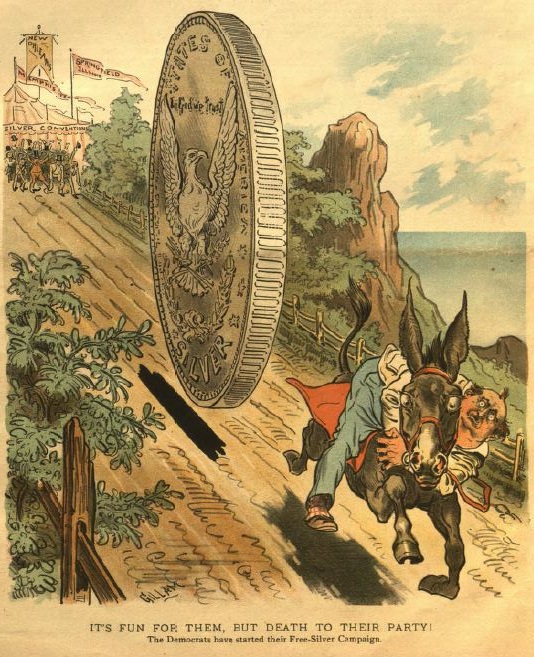
The Crime of '73

The Crime of '73

The US Coinage Act quietly drops the standard silver dollar from the coinage, demonetising silver in the same season that Germany adopts its new gold mark. Farmers and Western miners call it a conspiracy, and the deflation that follows powers American populism for a generation.

Monetary regime
The London Metal Exchange Founded

The London Metal Exchange Founded

The London Metal Exchange (LME) was founded in 1877 above a hat shop in Lombard Court, established to provide a centralized marketplace for trading copper, tin and pig iron after overcrowding at the Royal Exchange forced traders into the nearby Jerusalem Coffee House, where the tradition of "ring and kerb" trading originated.

Market infrastructure
Edison Electric Light

Edison Electric Light

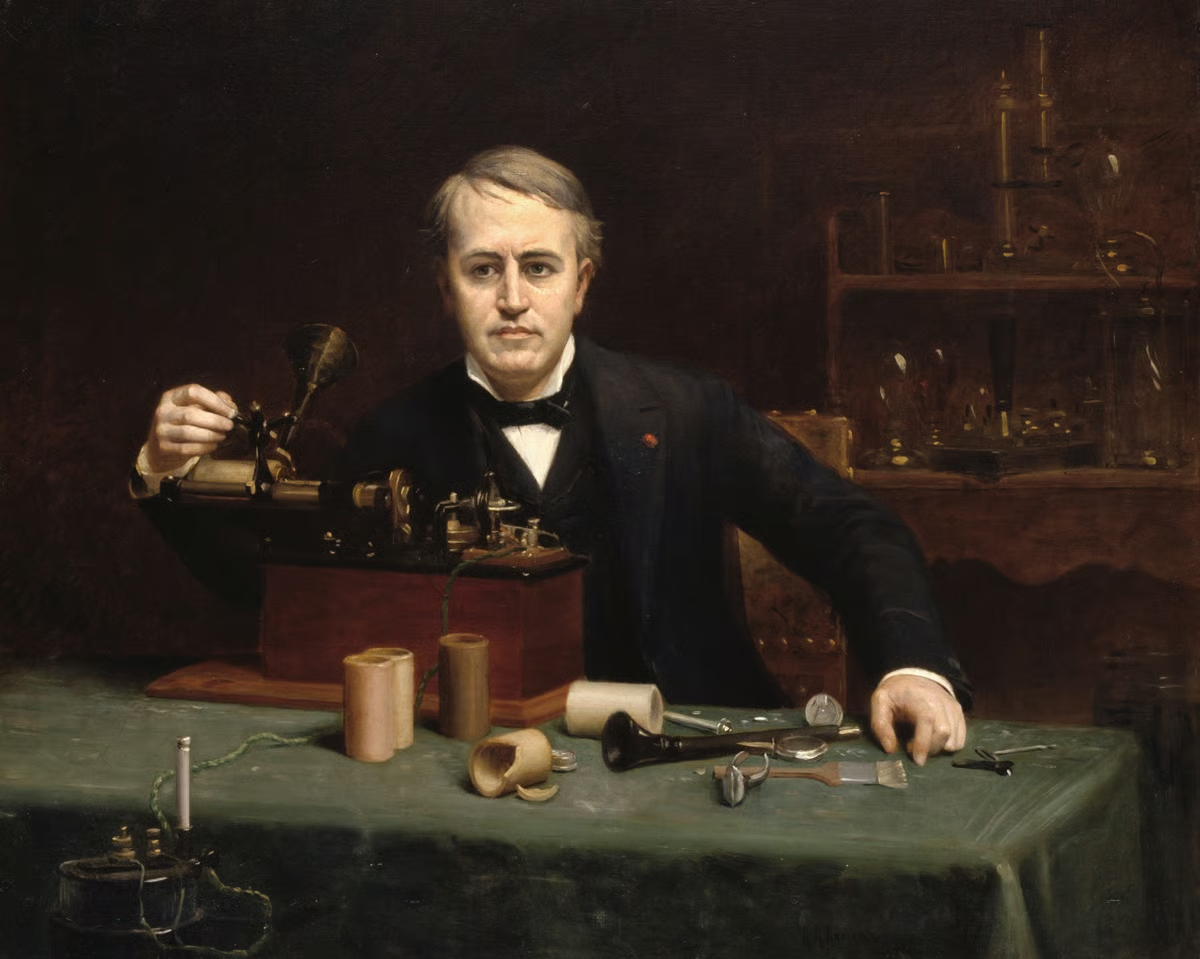
In 1878 Thomas Edison founds the Edison Electric Light Company to develop and commercialise the incandescent lamp. Shares in his enterprises — often signed by the inventor himself — are among the most prized autographed certificates in American scripophily.

Corporate landmark
The Standard Oil Trust

The Standard Oil Trust

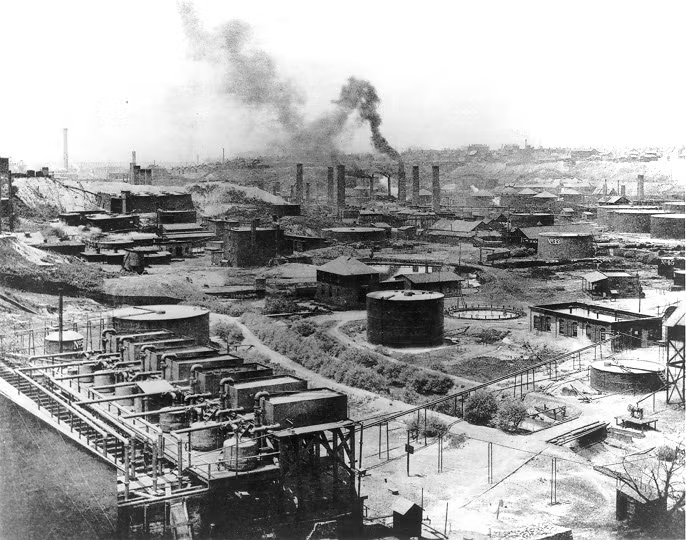
In 1882 John D. Rockefeller consolidates his empire into the Standard Oil Trust. Certificates bearing his own signature are today among the most sought-after autographed documents in all of scripophily.

Instrument
The Panic of 1882

The Panic of 1882

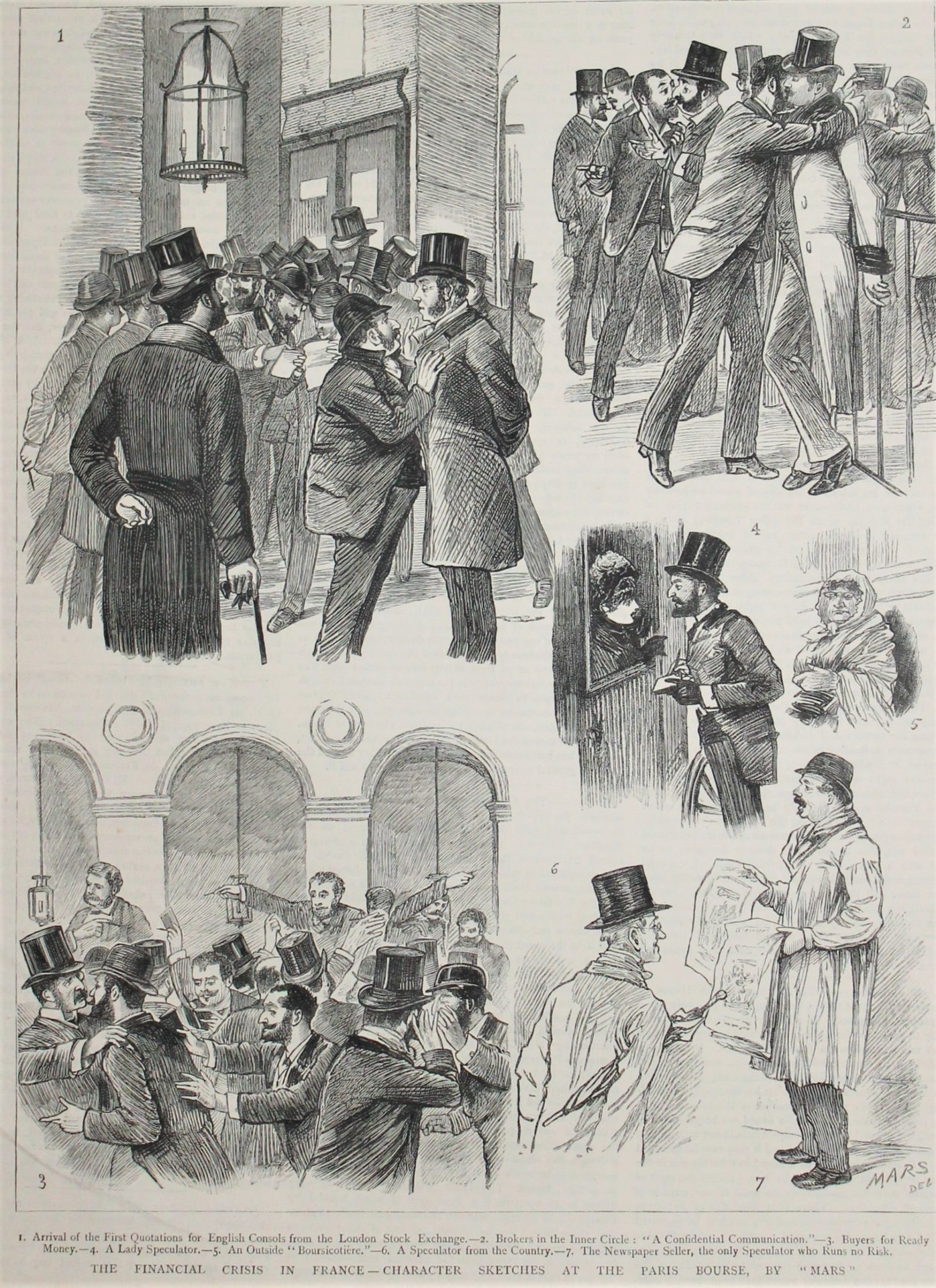
The Panic of 1882 was the Paris Bourse's worst of the 19th century, triggered by the collapse of France's leading "Catholic bank" Union Générale after its rapid credit expansion to brokers and risky railway loans soured amid a speculative property and stock boom. Its failure sent shockwaves through French markets until authorities stepped in with bailout measures.

Panic & crisisRead more: Panic Series (Pt. VIII): 1882
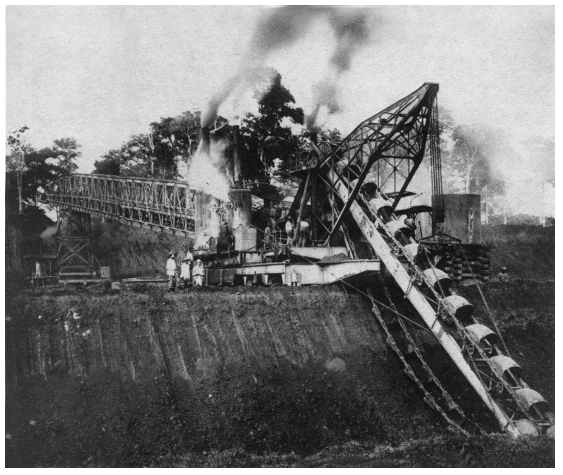
The Panama Canal collapse

The Panama Canal collapse

In 1889 the Compagnie Universelle du Canal de Panama — Ferdinand de Lesseps' second great canal venture — collapses in fraud and scandal. Hundreds of thousands of small investors are ruined, Gustave Eiffel is convicted, and the beautiful share certificates become relics of one of the greatest financial disasters of the century.

Fraud
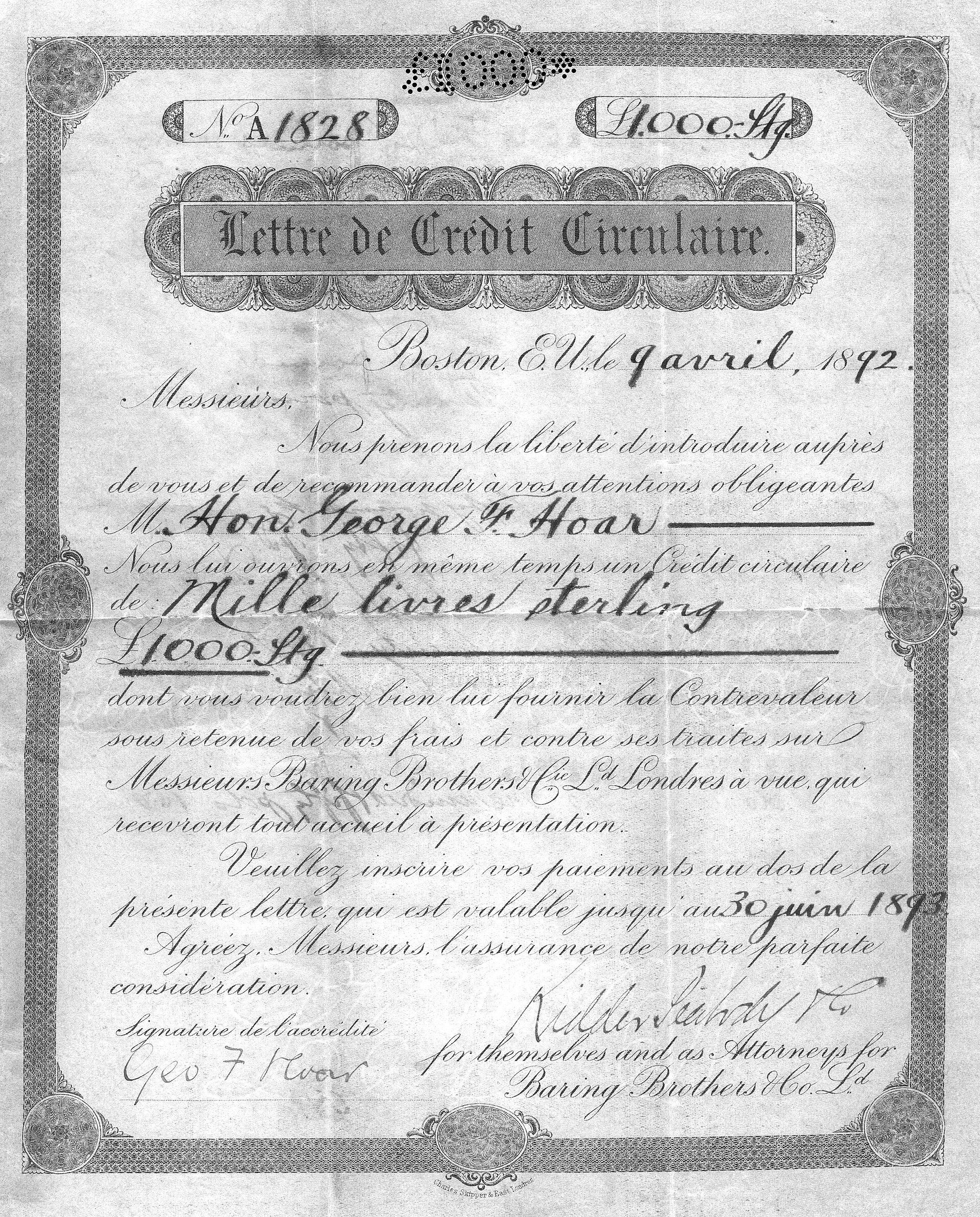
The Baring rescue

The Baring rescue

In 1890 the Bank of England orchestrates a private rescue of Baring Brothers, saving London's oldest merchant bank from collapse after reckless speculation in Argentina.

Panic & crisis
The Panic of 1893

The Panic of 1893

Railroad overbuilding, the collapse of the Philadelphia & Reading and a drain on the Treasury's gold reserve tip America into its deepest depression before 1929. In 1895 J. P. Morgan and the Rothschilds sell the government a private bond syndicate to stop the drain — the state rescued by the market.

Panic & crisis
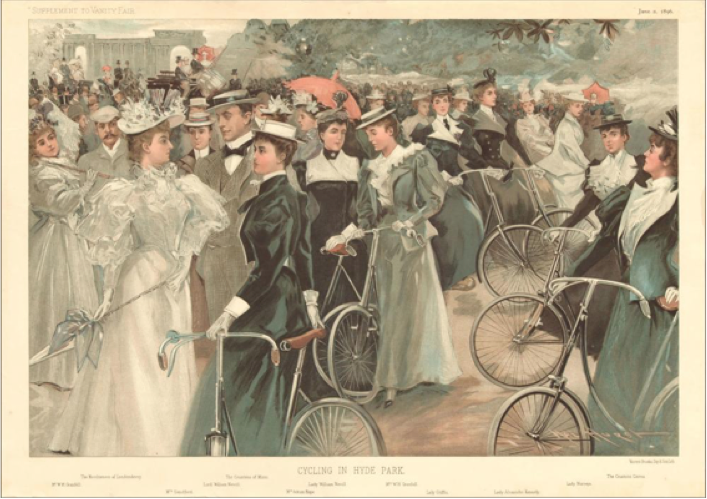
British bicycle mania

British bicycle mania

671 cycle companies float in two and a half years, leaving behind a distinctive niche of Victorian share certificates.

Bubble & crash
First Dow Jones Industrial Average

First Dow Jones Industrial Average

Charles Dow publishes the first Dow Jones Industrial Average in 1896, a simple average of twelve industrial stocks that becomes the world's most watched market barometer.

Idea & theory
Bachelier prices an option

Bachelier prices an option

In a Paris thesis on the Bourse's rentes, Louis Bachelier models price movements as a random walk — five years before Einstein does the same for pollen grains, and with an explicit formula for an option. Ignored for sixty years, it is the mathematical seed of everything after.

Idea & theory
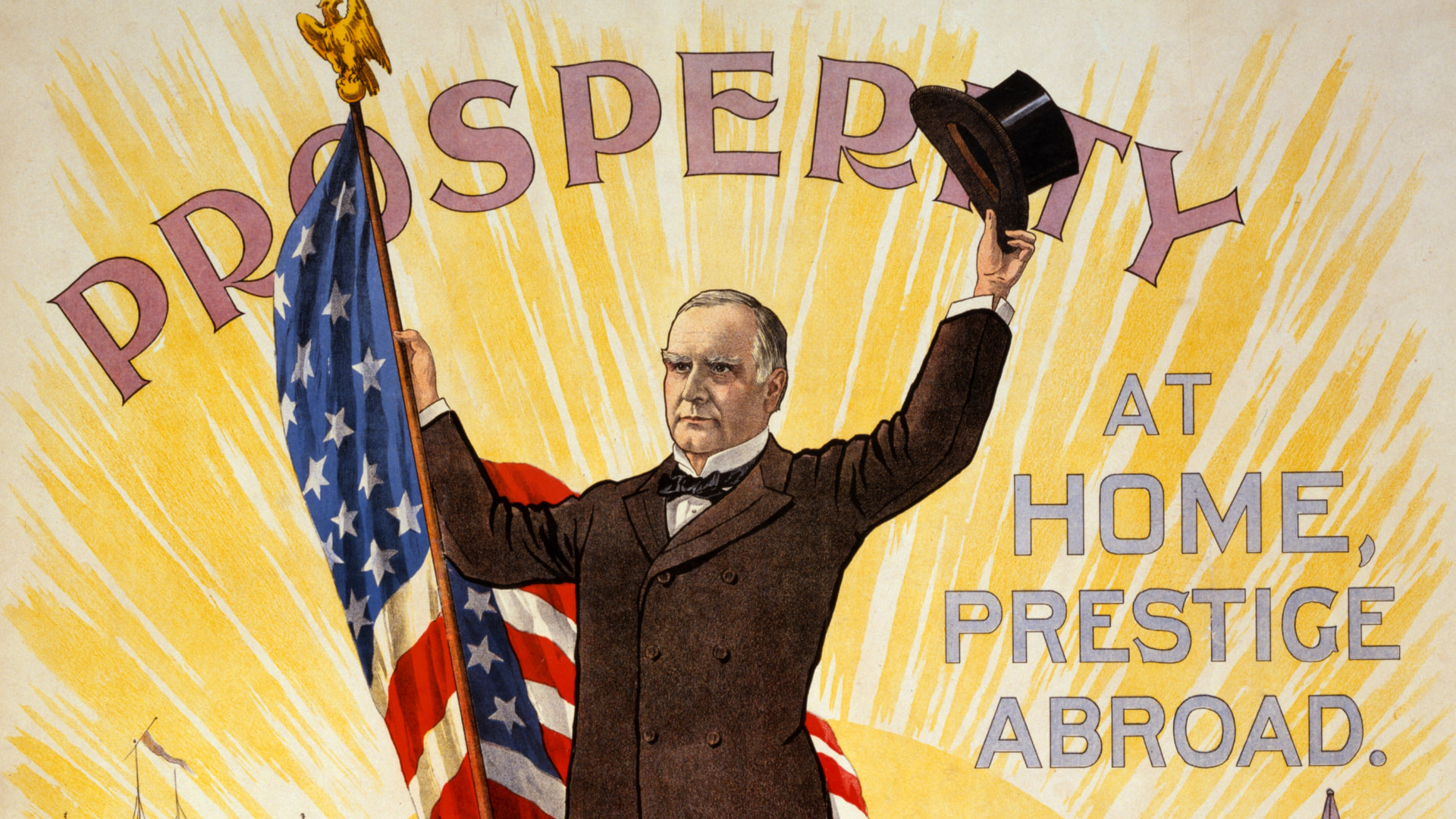
The Gold Standard Act

The Gold Standard Act

Four years after William Jennings Bryan warns against crucifying mankind upon a cross of gold, Congress puts the United States formally and exclusively on gold. The bimetallic question, which had dominated American politics for a generation, is closed.

Monetary regime
J. P. Morgan assembles US Steel

J. P. Morgan assembles US Steel

In 1901 J. P. Morgan buys out Andrew Carnegie and merges ten steel companies to create U.S. Steel, the world's first billion-dollar corporation and a symbol of the trust era.

Corporate landmark
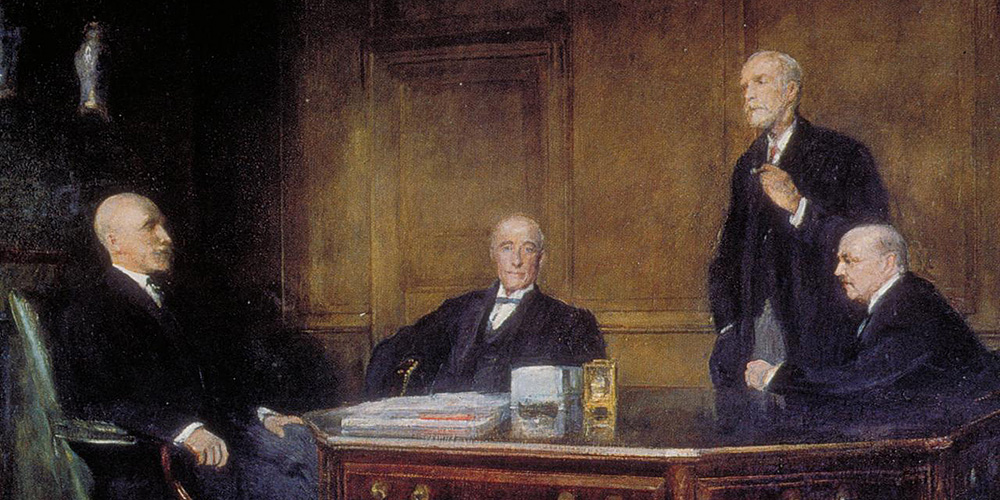
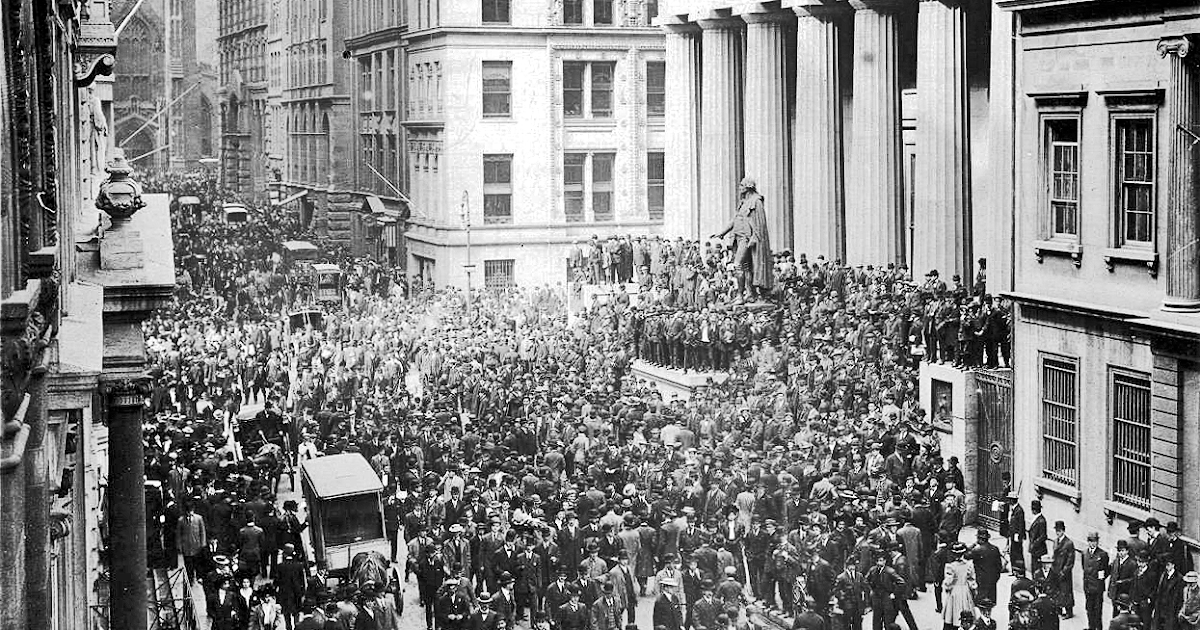
Panic of 1907

Panic of 1907

A stock market crash and banking panic in October 1907 threatens to topple the financial system until J. P. Morgan personally rallies bankers to inject liquidity, leading to the creation of the Federal Reserve.

Panic & crisis
Moody rates a bond

Moody rates a bond

John Moody publishes Analyses of Railroad Investments, applying letter grades from Aaa downwards to the bonds of American railways. Credit becomes a published opinion sold by subscription — and the rating agency, with all that eventually follows from it, is born.

Institution
Standard Oil broken up

Standard Oil broken up

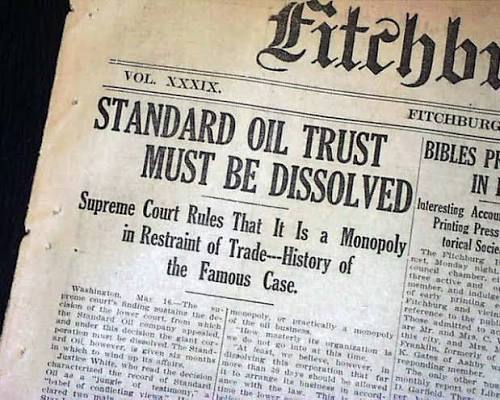
The US Supreme Court rules that Standard Oil is an illegal monopoly under the Sherman Antitrust Act and orders its dissolution into 34 separate companies — creating the ancestors of Exxon, Mobil, and Chevron.

Regulation
China's Reorganisation Loan

China's Reorganisation Loan

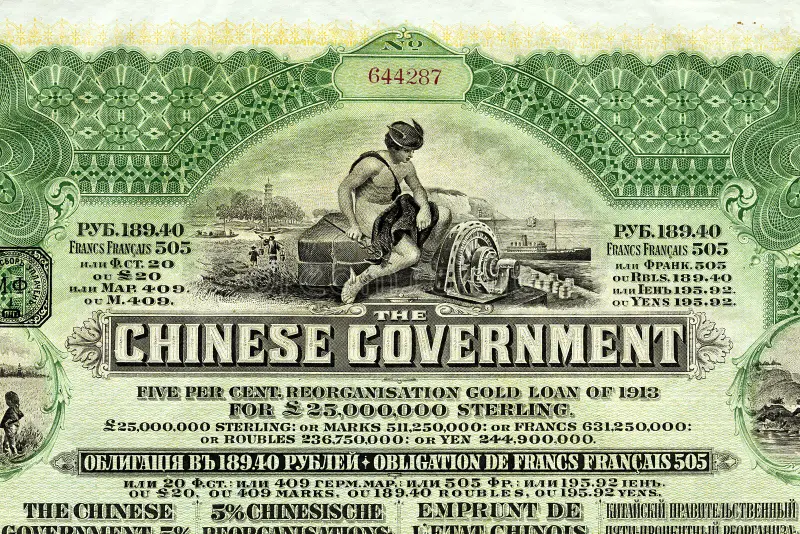
The Chinese Government issues a £25 million reorganization gold loan through an international banking consortium, making imperial and republican Chinese bonds a worldwide collecting field.

Sovereign debt
Founding of the Federal Reserve

Founding of the Federal Reserve

America's central bank was founded through the Federal Reserve Act of 1913, largely in reaction to the Panic of 1907, which caused inflation-adjusted GNP to fall 12%. After debate between a centralized Bank-of-England-style model and direct federal control, the compromise created a federated system: the Federal Reserve Board in Washington plus 12 Reserve Banks around the country.

InstitutionRead more: The History and Structure of the Federal Reserve
Wartime suspension · 1914–1925
Monetary regime — Wartime suspension
1914–1944

War, depression & deglobalisation

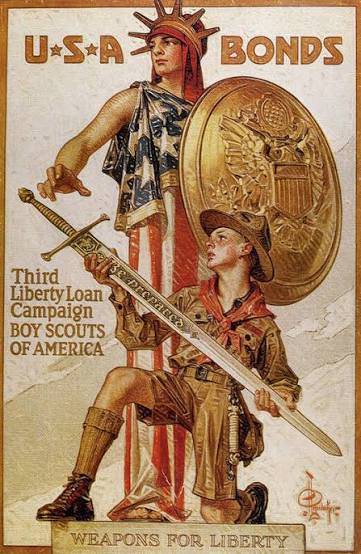
War bonds

War bonds

From 1914 governments turn entire populations into bondholders to finance the First World War, the largest mass participation in securities markets in history to that point.

Sovereign debt
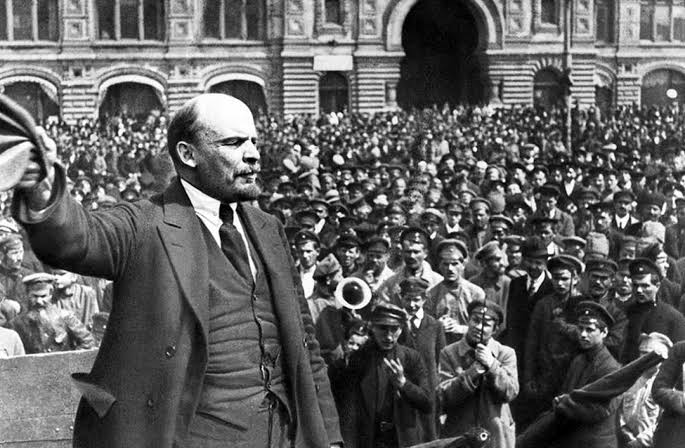
Bolsheviks repudiate Tsarist debt

Bolsheviks repudiate Tsarist debt

After the October Revolution, the new Soviet government repudiates all Tsarist debts, defaulting on billions of roubles owed to foreign investors and stranding millions of bondholders worldwide. Russian bonds become a classic of collecting.

Sovereign debt
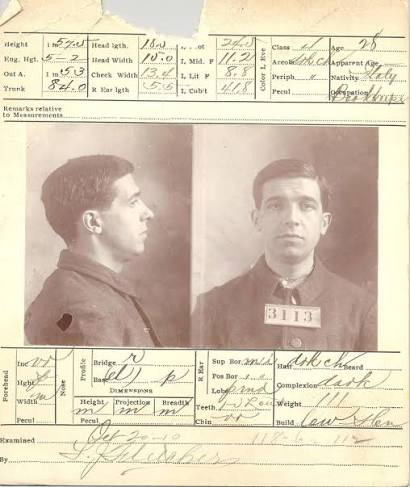
Charles Ponzi gives his name to the scheme

Charles Ponzi gives his name to the scheme

Charles Ponzi promises investors 50% returns in 45 days by exploiting international postal reply coupons. The scheme collapses within months, losing $20 million and engraving his name on the swindle that now bears it.

Fraud
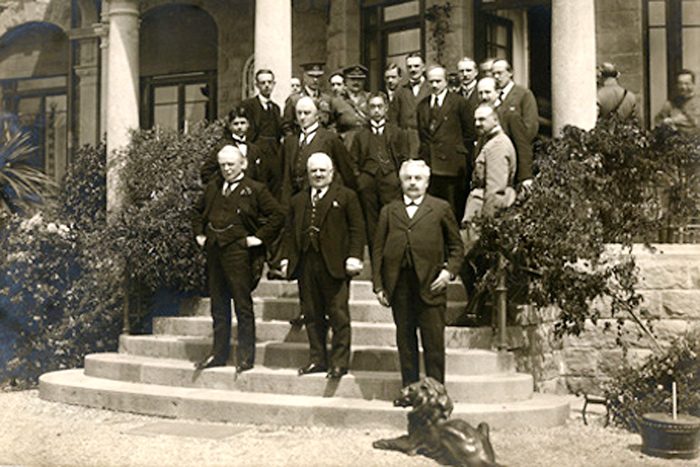
Genoa and the gold-exchange standard

Genoa and the gold-exchange standard

Thirty-four nations meet at Genoa and agree that central banks may count foreign exchange as well as bullion towards reserves, economising on scarce gold. The gold-exchange standard papers over a structural shortage — and builds in the fragility that shatters in 1931.

Monetary regime
The German hyperinflation

The German hyperinflation

In 1923 certificates denominated in billions of marks become worthless as paper money dies, leaving behind some of the most striking and collected documents in scripophily.

Monetary regime
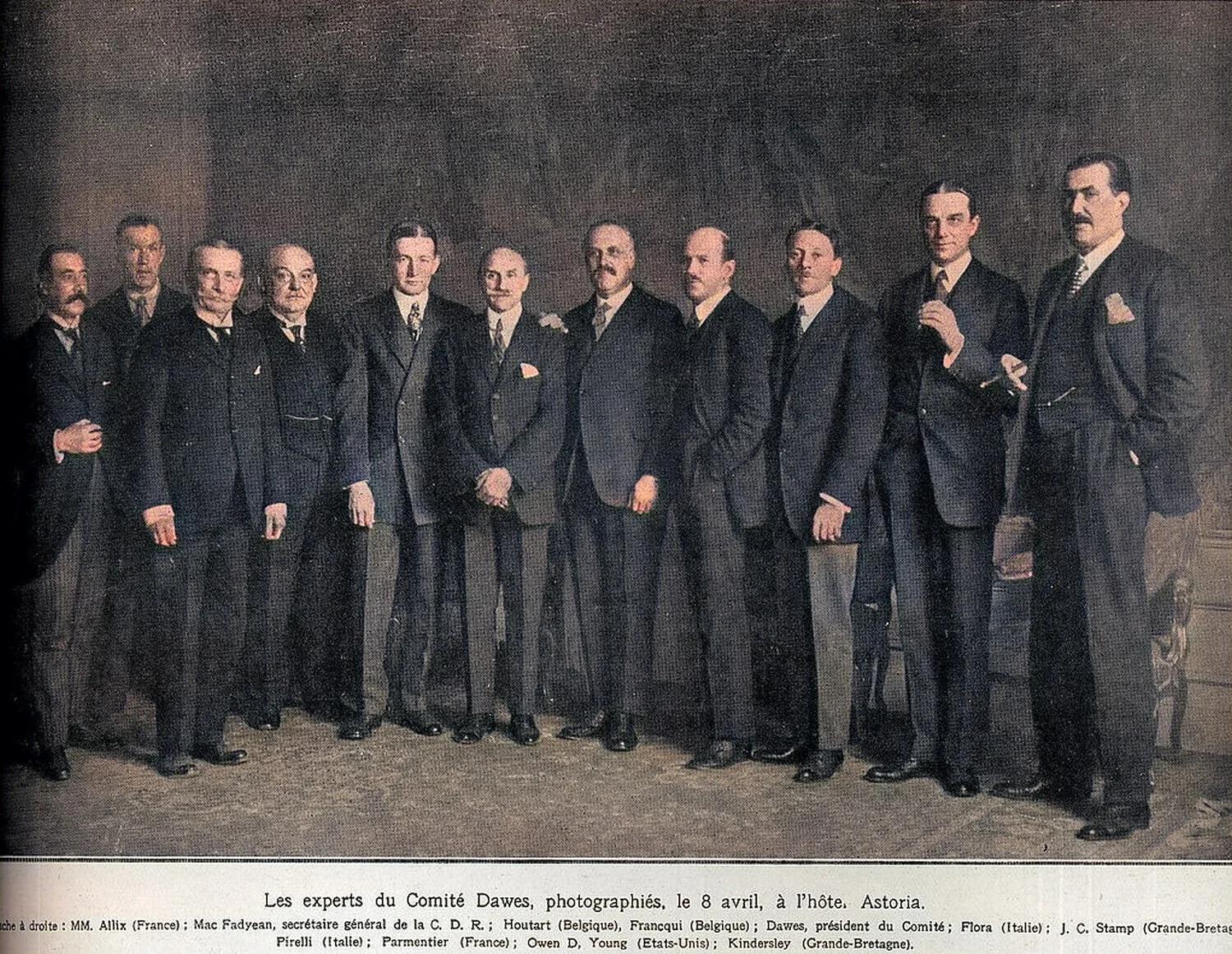
The Dawes Loan

The Dawes Loan

The Dawes Plan reschedules German reparations and floats an international loan to make them payable, opening a circuit of American capital into Germany. The bonds are superbly engraved, very widely held, and in default within a decade.

Sovereign debt
Interwar gold standard · 1925–1936
Monetary regime — Interwar gold standard
1914–1944

War, depression & deglobalisation

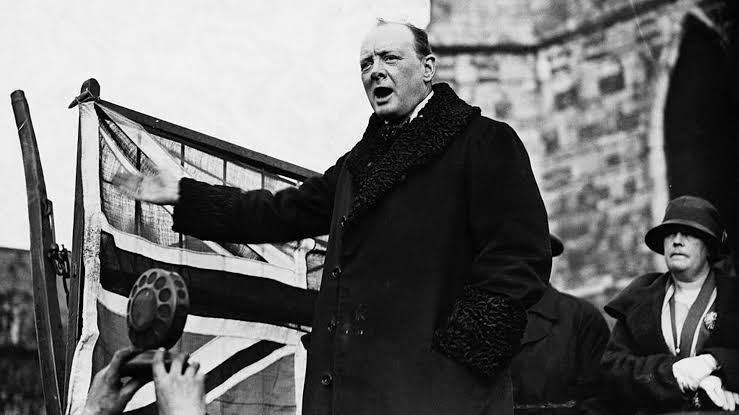
Churchill returns Britain to gold

Churchill returns Britain to gold

As Chancellor of the Exchequer, Winston Churchill restores the pound to its prewar gold parity in April 1925 — a deflationary move that squeezes British exports and deepens industrial strife, a decision he later called the greatest mistake of his life.

Monetary regime
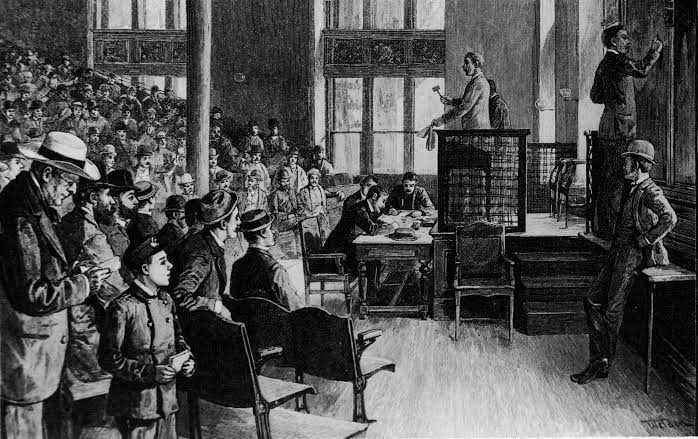
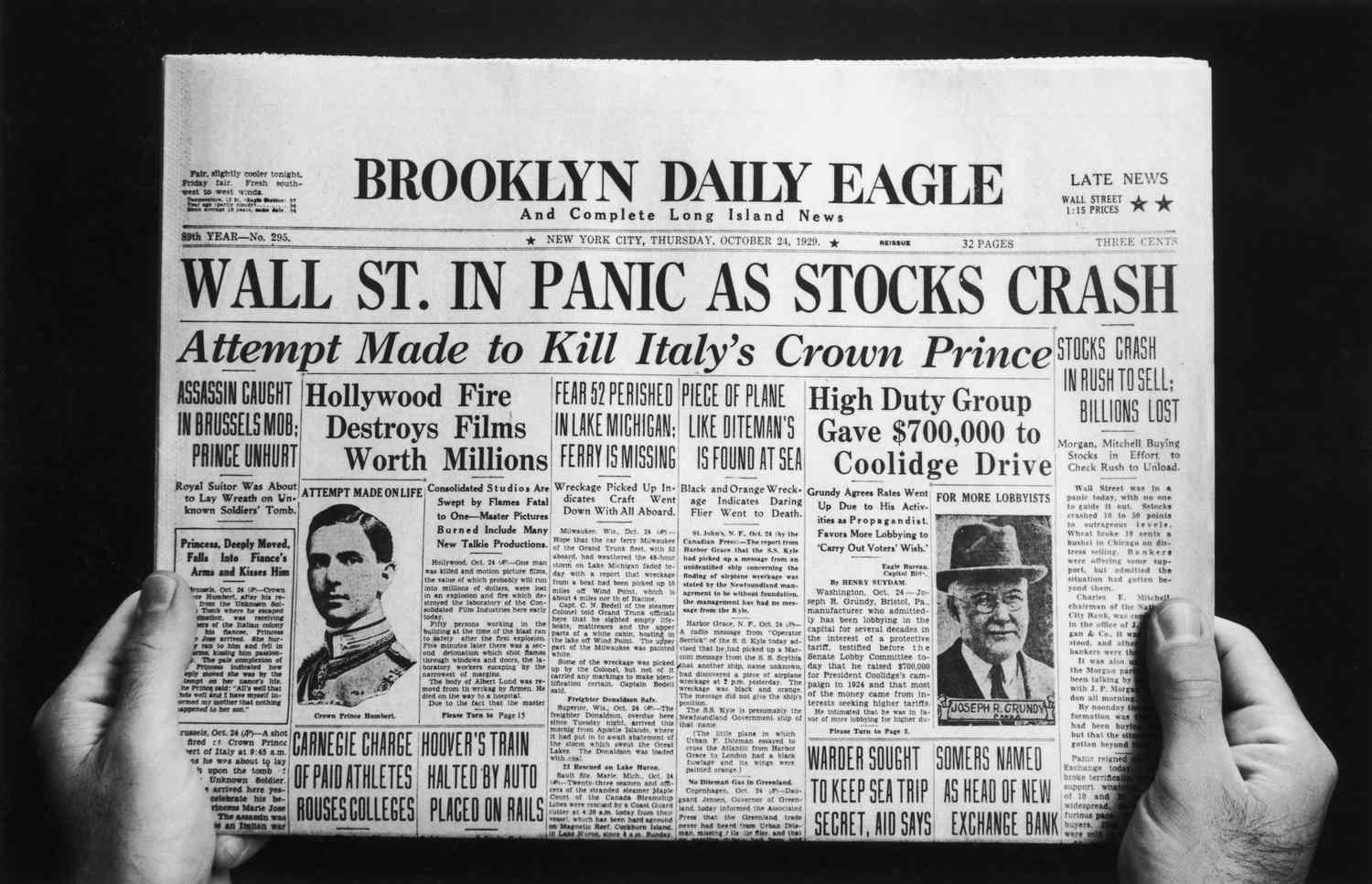
The Wall Street crash

The Wall Street crash

The bubble of the roaring twenties ends in October 1929, reshaping finance, regulation, and an entire generation's relationship with the stock market.

Bubble & crash
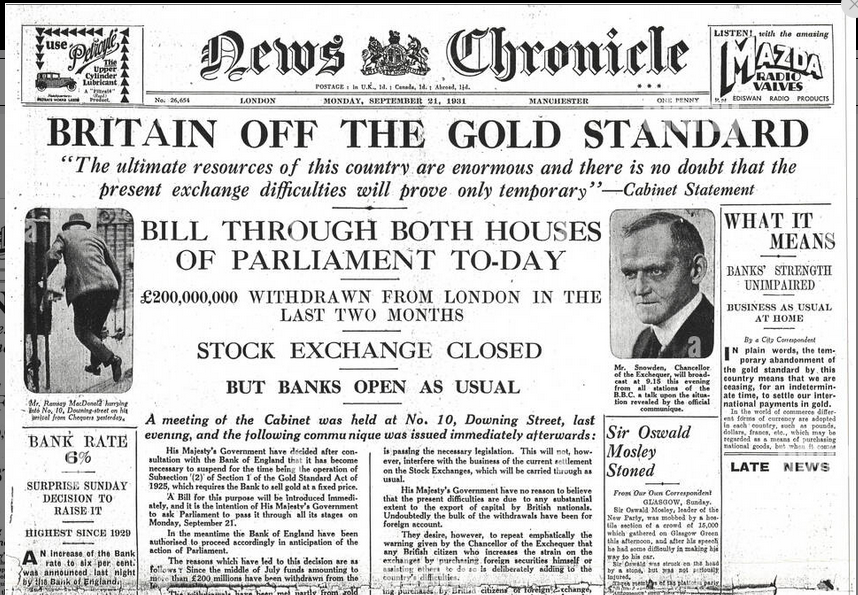
Britain leaves gold

Britain leaves gold

In September 1931, faced with a run on sterling and the deepening Depression, Britain abandoned the gold standard barely six years after Churchill's return to it. The move freed monetary policy across the sterling area and marked the beginning of the end for the classical gold-standard order.

Monetary regime
Roosevelt ends the domestic gold standard

Roosevelt ends the domestic gold standard

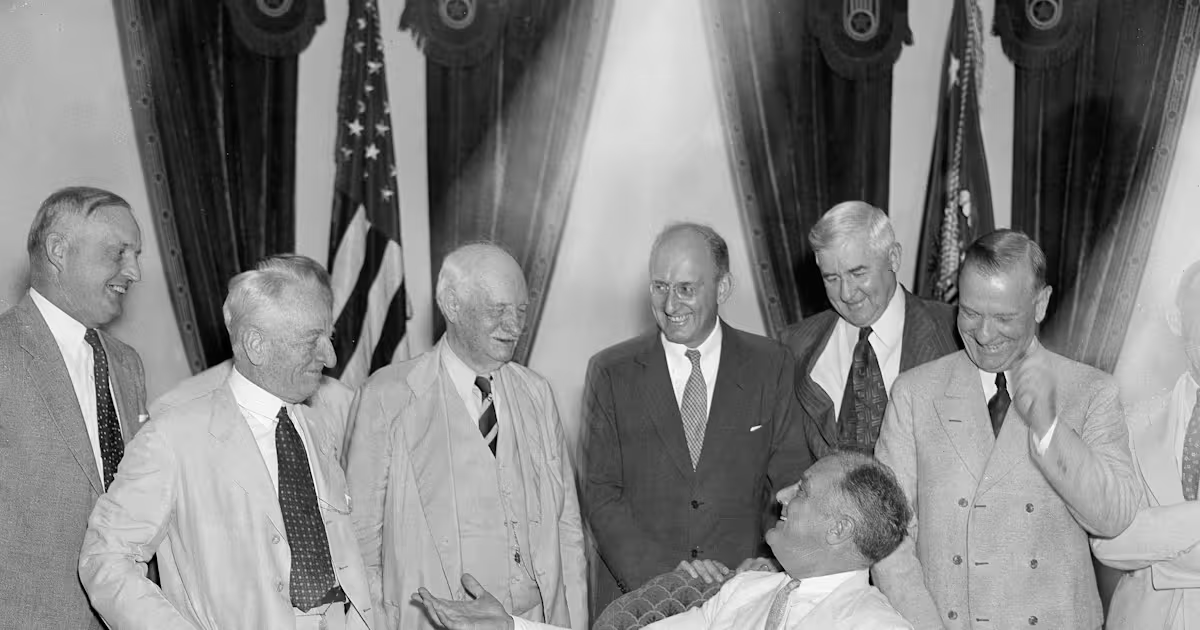
In 1933, newly inaugurated President Franklin Roosevelt took the dollar off domestic gold convertibility and required Americans to surrender gold coin and bullion to the Federal Reserve. The same year, the Glass-Steagall Act separated commercial from investment banking, reshaping American finance for the next six decades.

Monetary regime
Depression-era emergency scrip

Depression-era emergency scrip

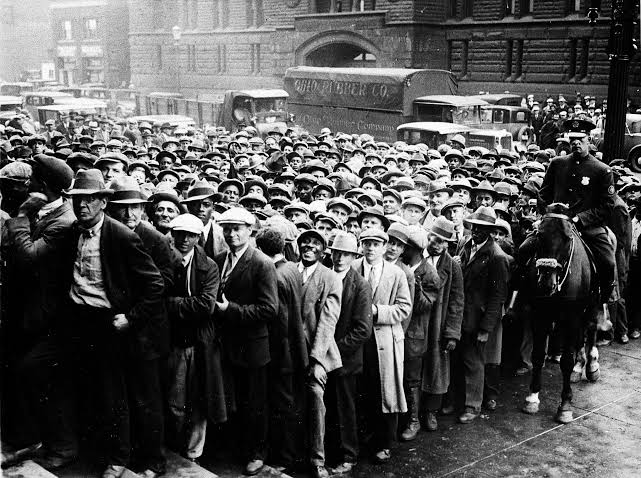
As bank holidays froze the ordinary money supply in 1933, hundreds of American cities, counties, and companies printed their own emergency scrip to keep local commerce running. These improvised notes, often crude and locally designed, form a distinctive and still actively collected sub-field of scripophily and notaphily.

Monetary regime
The First Commodity Futures Index

The First Commodity Futures Index

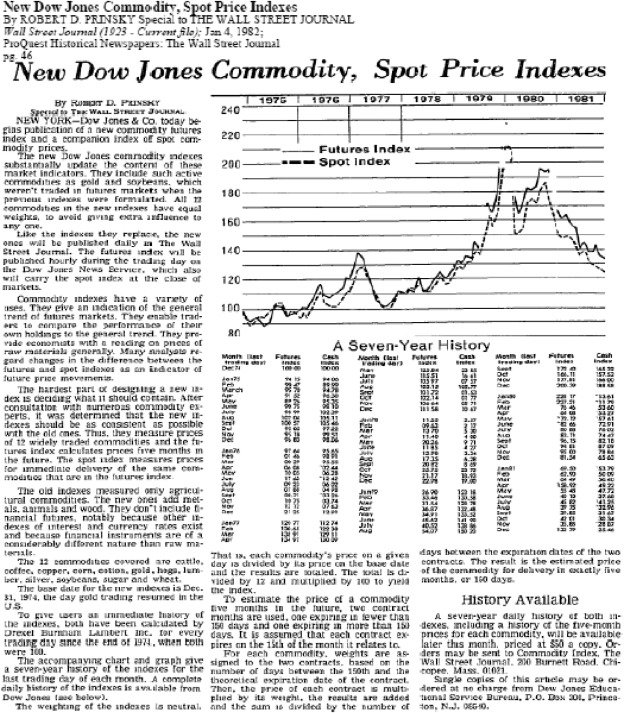
On October 3, 1933, Dow Jones announced a new hourly-calculated index of eleven actively traded commodity futures, published on the Dow Jones news ticker. Between 1933 and 1998 the index earned a risk premium of 3.7% annually.

InstrumentRead more: US Presidents, More Factors, First Commodity Index
The SEC

The SEC

The Securities Act of 1933 and the Exchange Act of 1934 impose mandatory disclosure on issuers and create a commission to police it. Roosevelt appoints Joseph Kennedy, a notorious pool operator, to run it — on the stated theory that it takes one to catch one.

Regulation
The gold bloc collapses

The gold bloc collapses

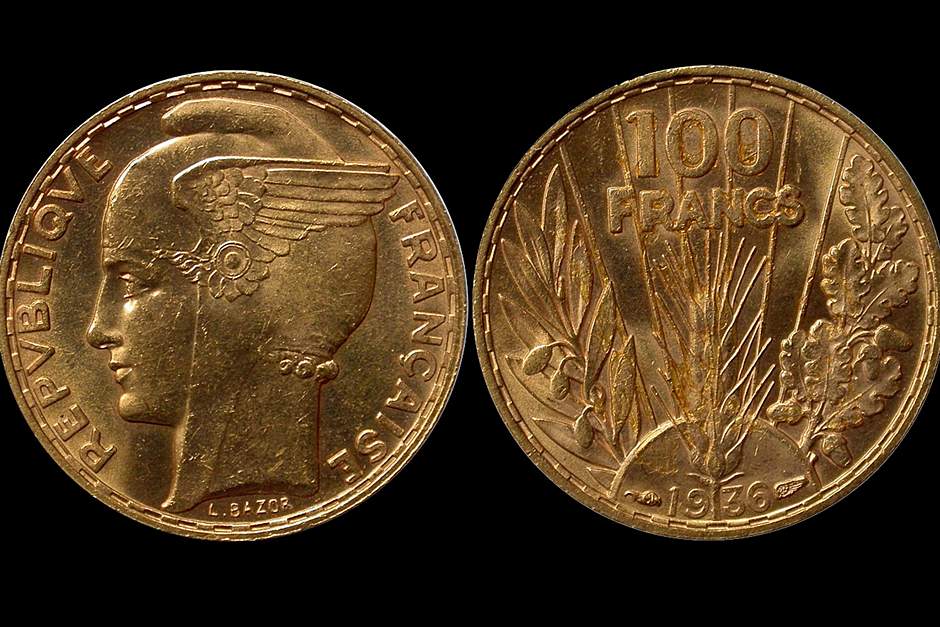
In 1936, France and the last members of the "gold bloc" (Switzerland, the Netherlands, Belgium) devalued their currencies, abandoning the fixed gold parities they had defended since Britain and the US left gold. The interwar gold standard, already fatally wounded, was now formally dead.

Monetary regime
Managed float & exchange controls · 1936–1944
Monetary regime — Managed float & exchange controls
1914–1944

War, depression & deglobalisation

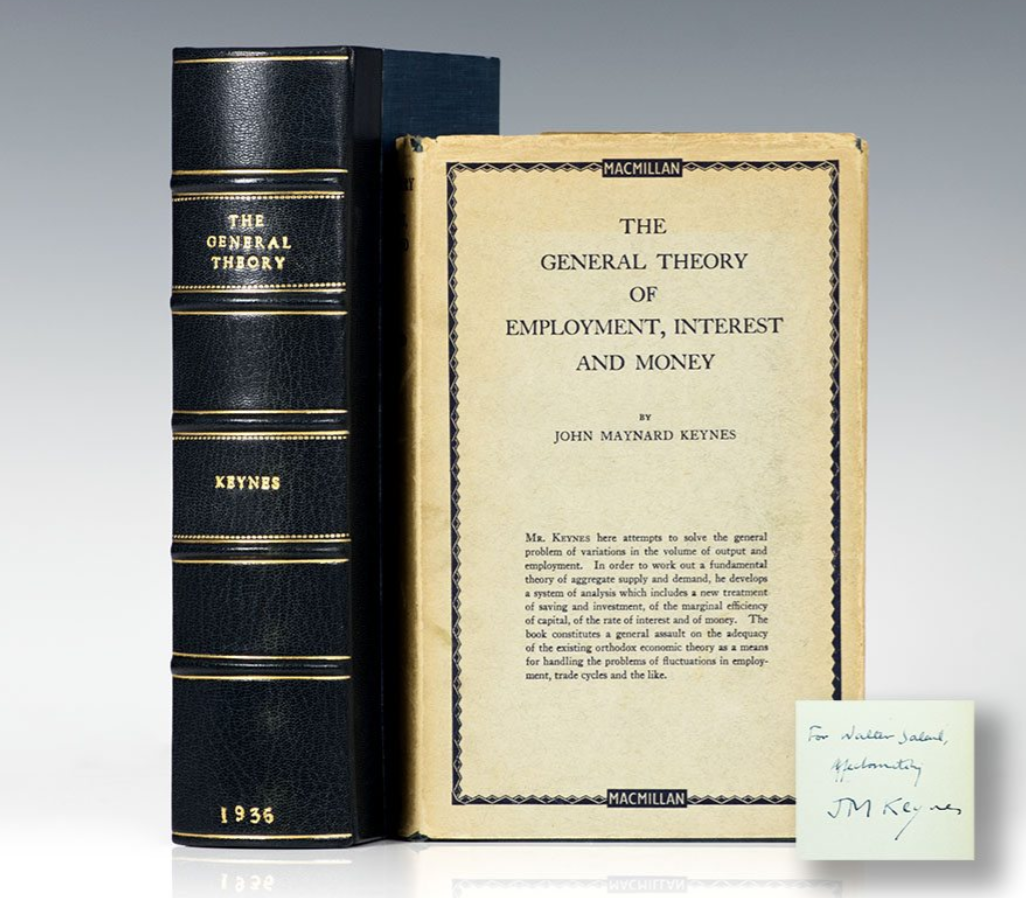
The General Theory

The General Theory

Keynes publishes The General Theory of Employment, Interest and Money, arguing that an economy can settle at persistent underemployment and that the state must act. Chapter 12 — beauty contests, animal spirits, the futility of long-term expectation — remains the best thing written about the stock market.

Idea & theory
Bretton Woods · 1944–1971
Monetary regime — Bretton Woods
1914–1944

War, depression & deglobalisation

Bretton Woods

Bretton Woods

Forty-four allied nations meet in New Hampshire and agree a system of exchange rates pegged to a dollar convertible into gold at $35 an ounce, policed by a new IMF and financed by a new World Bank. Keynes loses the argument to Harry Dexter White; the dollar wins the century.

Monetary regime
1945–1970

Bretton Woods & the postwar boom

The Bank of England is nationalised

The Bank of England is nationalised

After 252 years as a private joint-stock company, the Bank of England passes into public ownership under Attlee. Its stockholders are compensated in government stock, and one of the most storied share registers in financial history is closed for good.

Institution
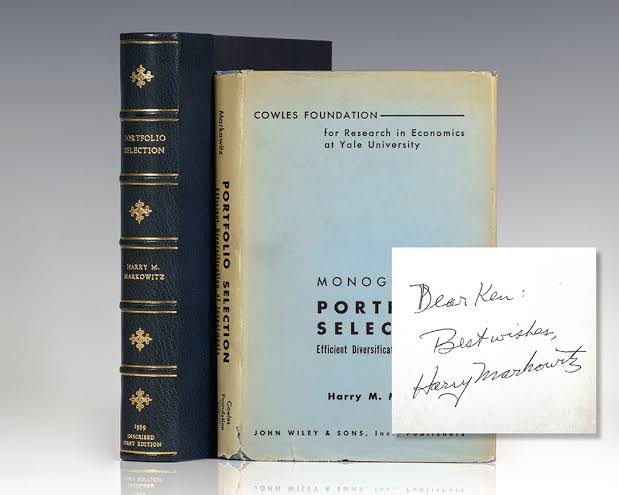
Portfolio Selection

Portfolio Selection

Harry Markowitz, aged twenty-five, publishes fourteen pages showing that risk is a property of a portfolio rather than of a security, and that diversification has a mathematics. Investment stops being judgement about companies and starts being covariance.

Idea & theory
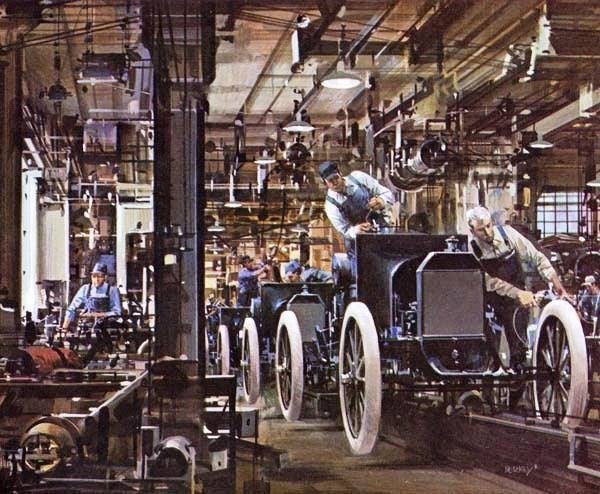
Ford goes public

Ford goes public

Ford Motor Company goes public in the largest and most widely distributed offering in Wall Street history, drawing 350,000 new shareholders at once.

Corporate landmark
Europe restores convertibility

Europe restores convertibility

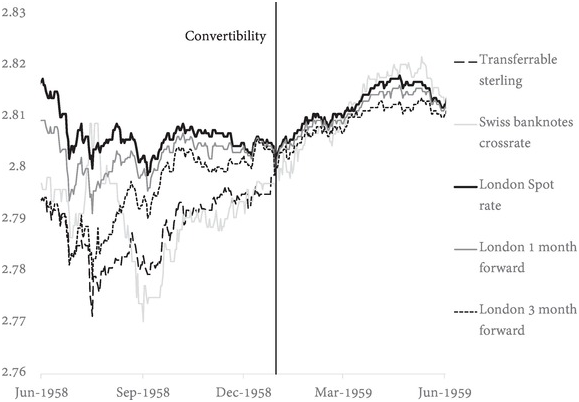
In December 1958, Western European currencies restored full external convertibility for the first time since the war, finally letting the Bretton Woods system of pegged exchange rates function as its architects had intended. The move marked the definitive return of European currencies to international markets after more than two decades of controls.

Monetary regime
The London Gold Pool

The London Gold Pool

Eight central banks agree to sell gold in London whenever the price rises above $35.20, defending the Bretton Woods parity out of their own reserves. France withdraws in 1967, the pool collapses in March 1968, and the countdown to Nixon's window begins.

Monetary regime
The first Eurobond

The first Eurobond

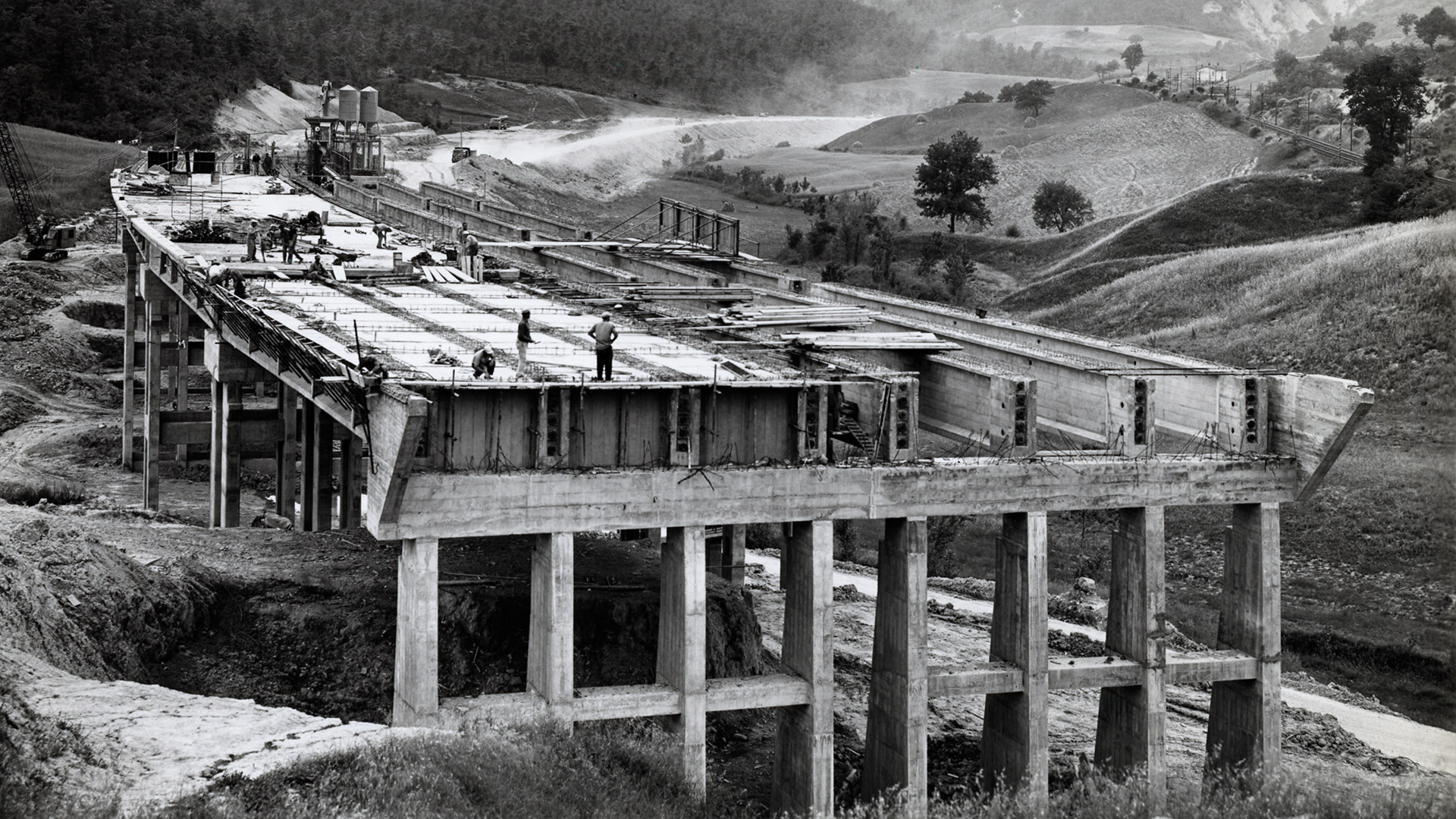
Italian motorway operator Autostrade issues the first Eurobond — a $15m dollar bond arranged by Siegmund Warburg — opening the offshore market that cements London as a global financial centre.

Instrument
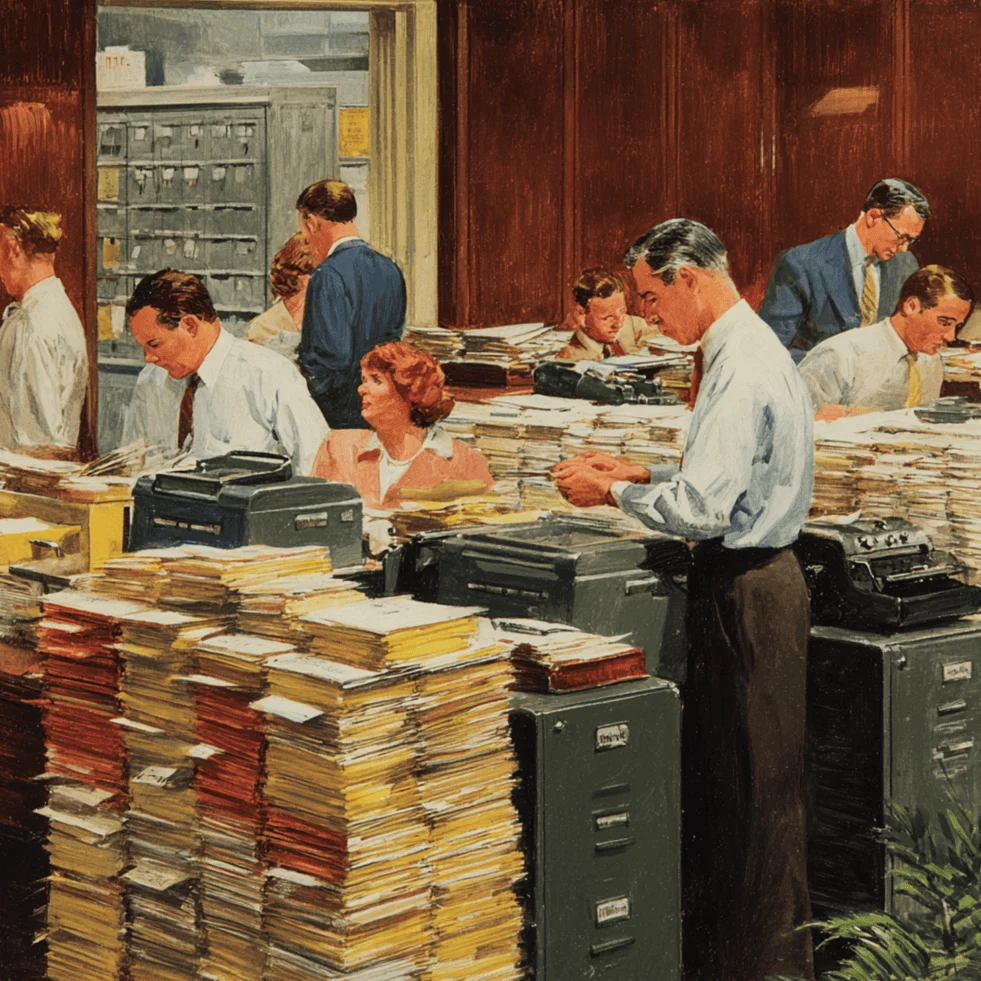
The paperwork crisis

The paperwork crisis

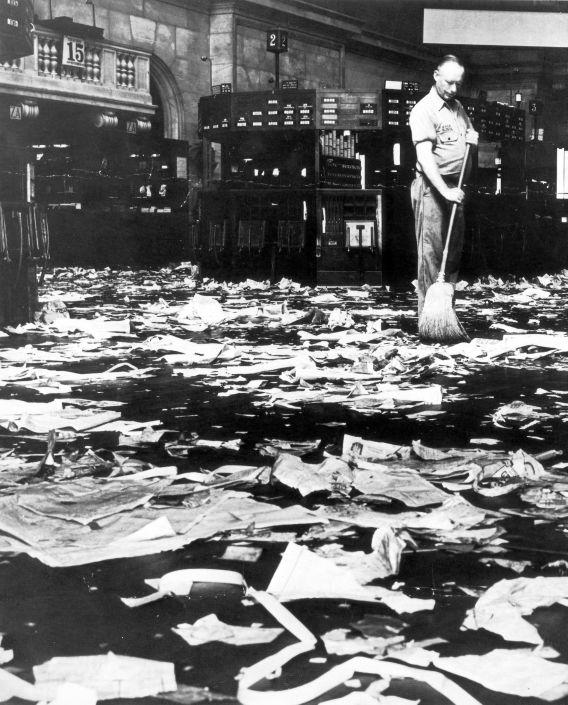
Volume overwhelms Wall Street's back offices. Certificates pile up in corridors, fails to deliver run into the billions, more than a hundred firms go under and the NYSE shortens its trading day to cope. The physical certificate is judged the culprit — and its death sentence is written.

Market infrastructure
Fiat era · since 1971
Monetary regime — Fiat era
1971–1985

The Great Inflation & liberalisation

The end of gold

The end of gold

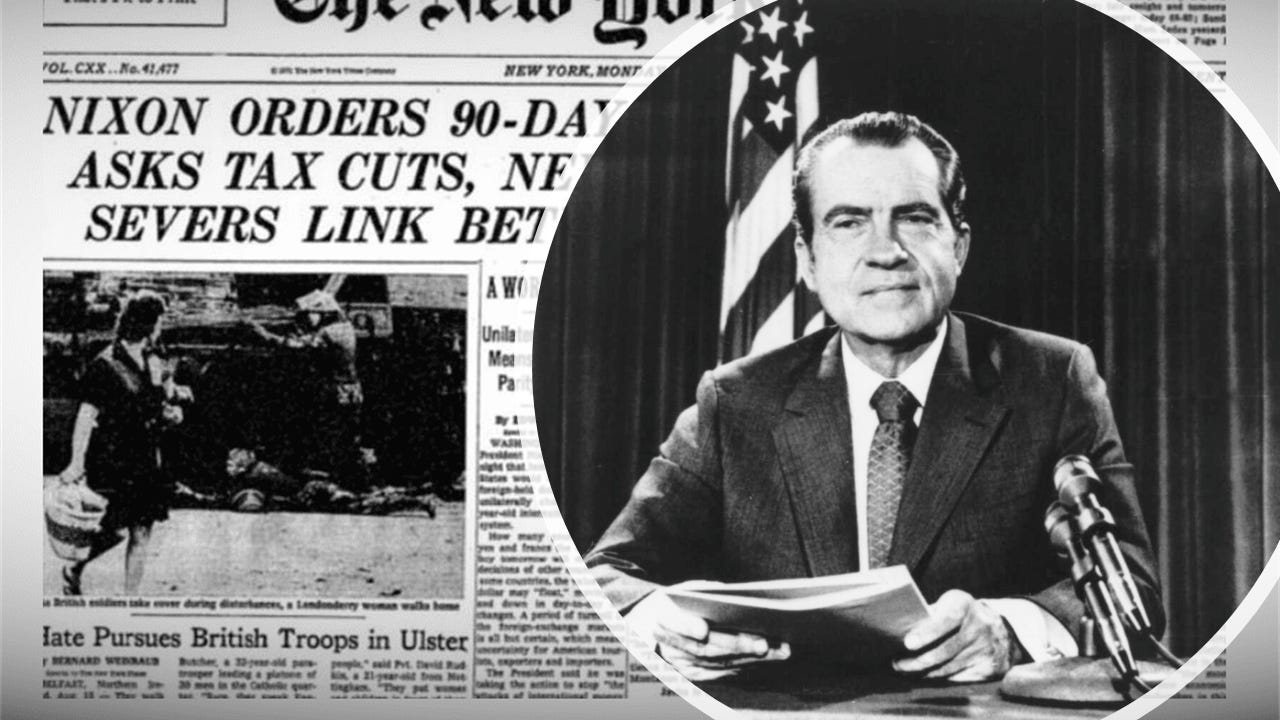
In 1971 Nixon closes the gold window, cutting the last link between paper claims and metal. The era of pure fiat finance begins.

Monetary regime
Nasdaq opens

Nasdaq opens

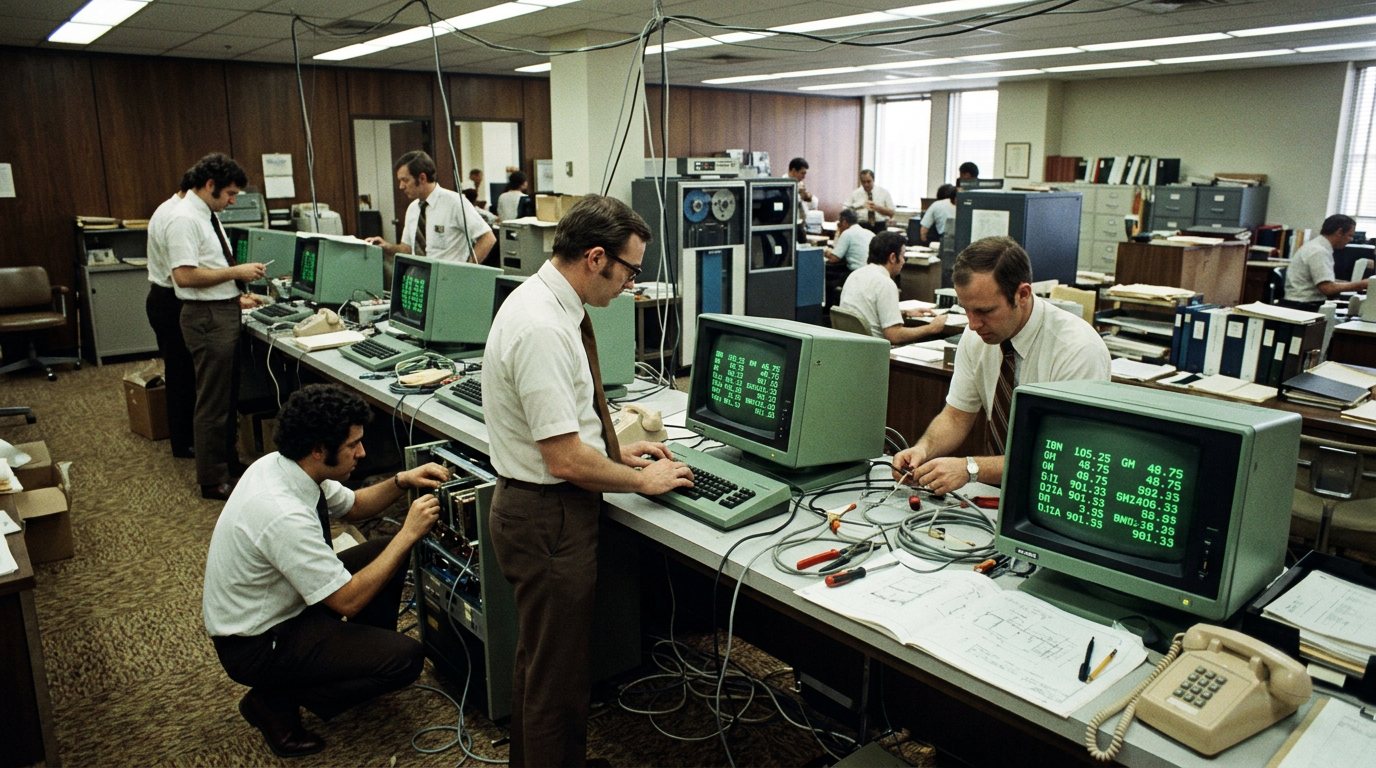
On 8 February 1971 the National Association of Securities Dealers switches on an automated quotation system: no floor, no specialists, just dealers' bids and offers on screens. The first electronic stock market, and the template for every exchange that follows.

Technology
The first financial futures

The first financial futures

Months after Bretton Woods dies, Leo Melamed opens the International Monetary Market at the Chicago Mercantile Exchange to trade futures on seven currencies, with a supporting paper commissioned from Milton Friedman. Floating rates create the hedging demand, and the derivatives industry begins.

Instrument
Black–Scholes and the CBOE

Black–Scholes and the CBOE

The Chicago Board Options Exchange opens the same year Black & Scholes publish their option-pricing formula — derivatives become a rigorously priced, mainstream instrument.

Instrument
The Depository Trust Company

The Depository Trust Company

Founded in direct response to the paperwork crisis, the DTC immobilises certificates in a single vault and settles trades by book entry between members. Ownership becomes a ledger line. Within a generation the certificate stops moving at all, and then stops being printed.

Market infrastructure
Herstatt and Basel

Herstatt and Basel

German regulators close Bankhaus Herstatt at 4pm Frankfurt time, after it has taken in Deutsche marks but before it has paid out the dollars in New York. Settlement risk acquires a name, and the G10 governors create the Basel Committee before the year is out.

Regulation
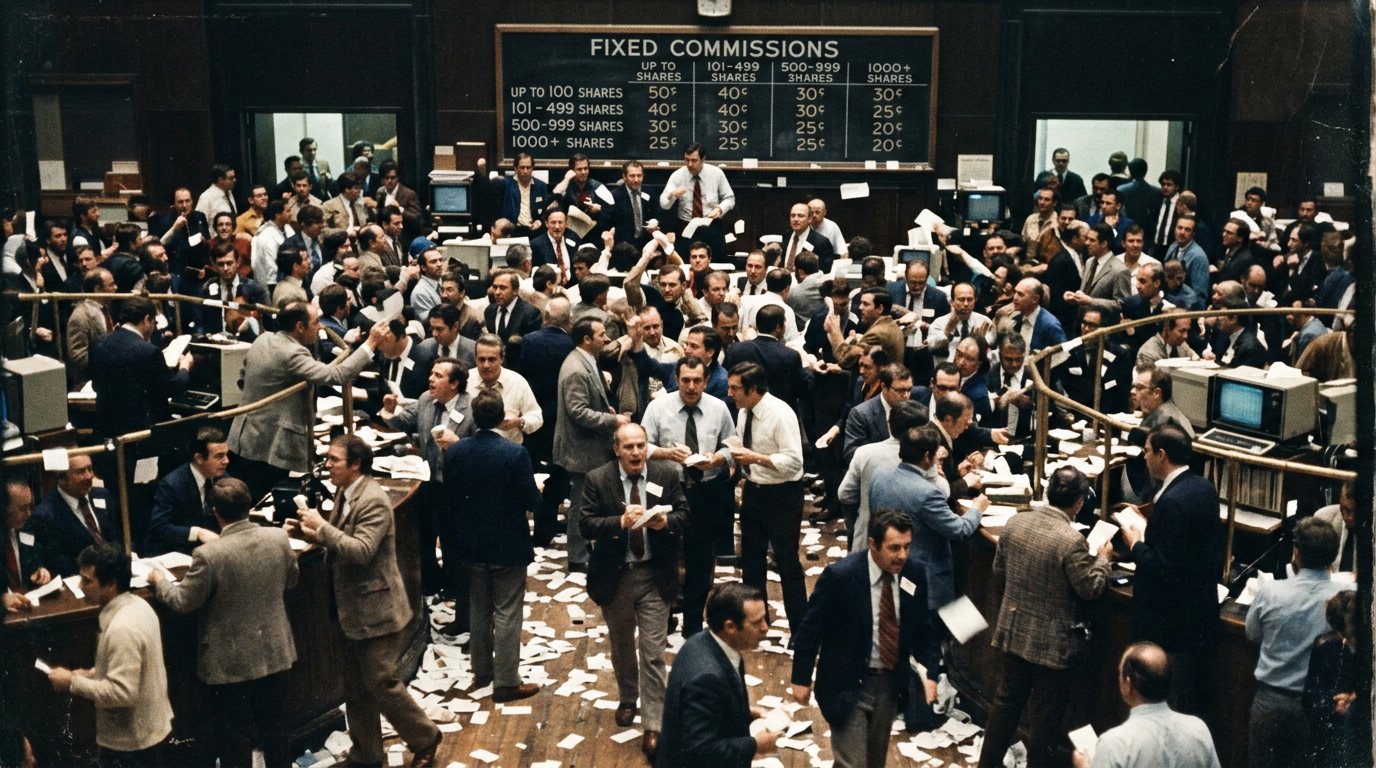
May Day

May Day

The SEC abolishes fixed commissions on the NYSE, ending a cartel that dated to the Buttonwood Agreement of 1792. Brokerage becomes a price-competitive business overnight, institutions capture most of the gain, and a discount broker named Charles Schwab is founded within weeks.

Regulation
The first index fund

The first index fund

Jack Bogle launches the First Index Investment Trust to track the S&P 500, aiming to raise $150 million and raising $11 million. Rivals call it un-American. It becomes the largest fund in the world and takes the argument about active management with it.

Instrument
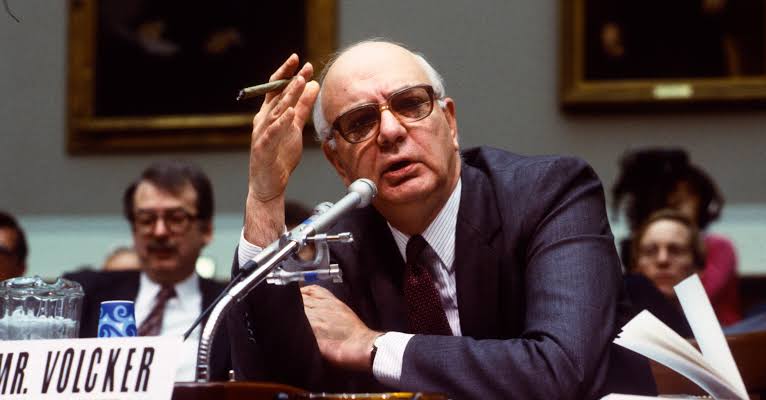
The Volcker shock

The Volcker shock

Volcker's Fed abandons interest-rate targeting for control of the money supply and lets rates go wherever they must. They reach 20%. Two recessions and a Latin American debt crisis follow, inflation is broken, and a forty-year bond bull market begins.

Monetary regime
Mexico defaults

Mexico defaults

Jesús Silva-Herzog tells Washington that Mexico cannot pay, and the petrodollars recycled into Latin America through the 1970s become the LDC debt crisis. A lost decade follows, resolved only by the Brady bonds of 1989 — which securitise sovereign debt and create the modern emerging-market asset class.

Sovereign debt
The Plaza Accord

The Plaza Accord

The G5 agree at the Plaza Hotel to talk the dollar down, and it falls by half against the yen over two years. The endaka that follows drives Japanese money into domestic land and equities — and inflates the bubble that defines the next decade.

Monetary regime
1986–2006

The Great Moderation & the end of paper

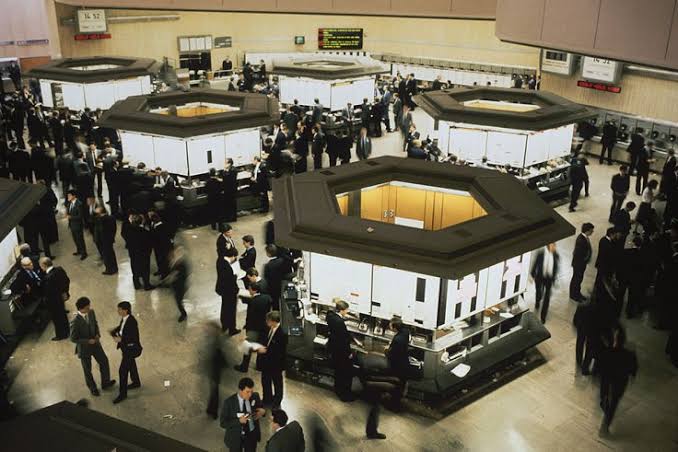
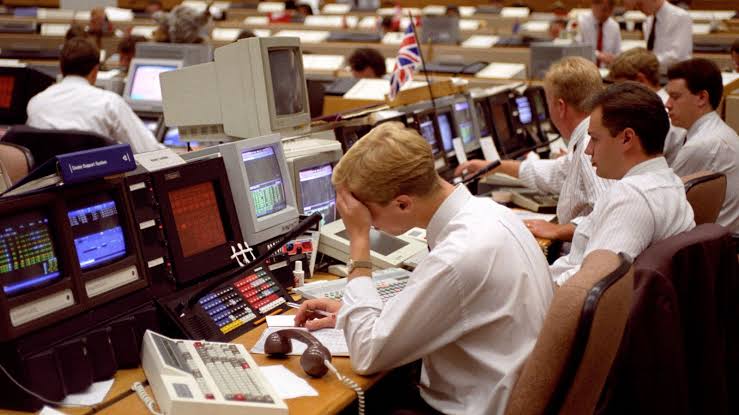
The Big Bang

The Big Bang

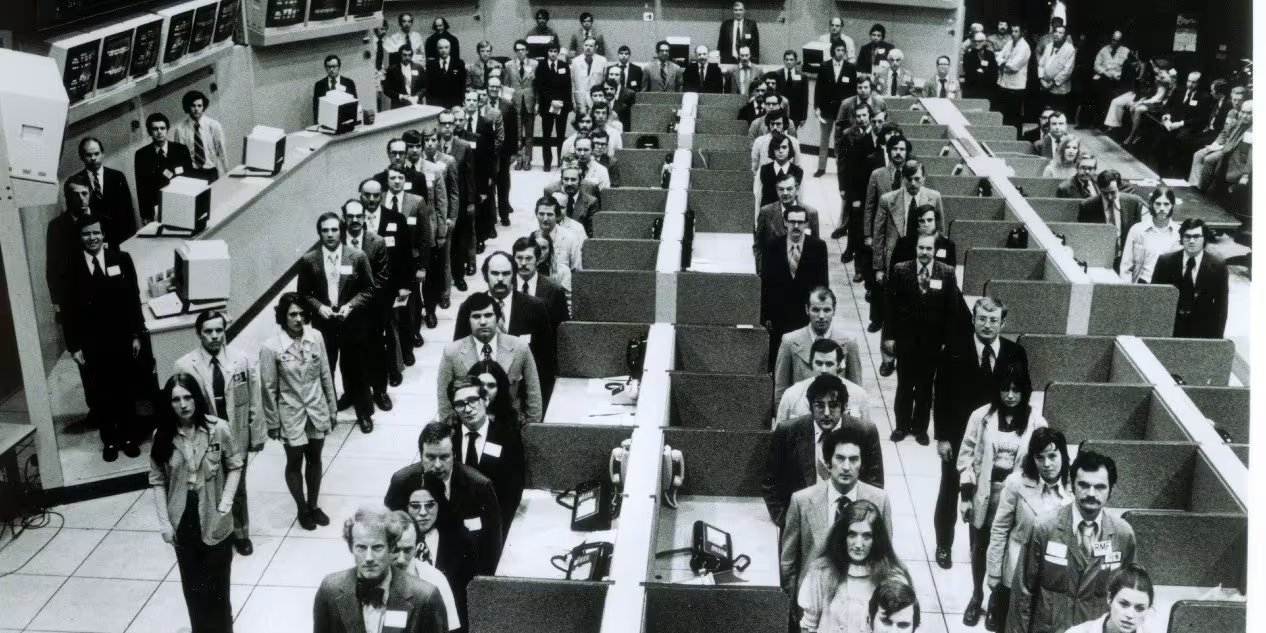
London deregulates and computerizes trading overnight in 1986. The floor, the jobbers, and the paper ticket begin to disappear.

Market infrastructure
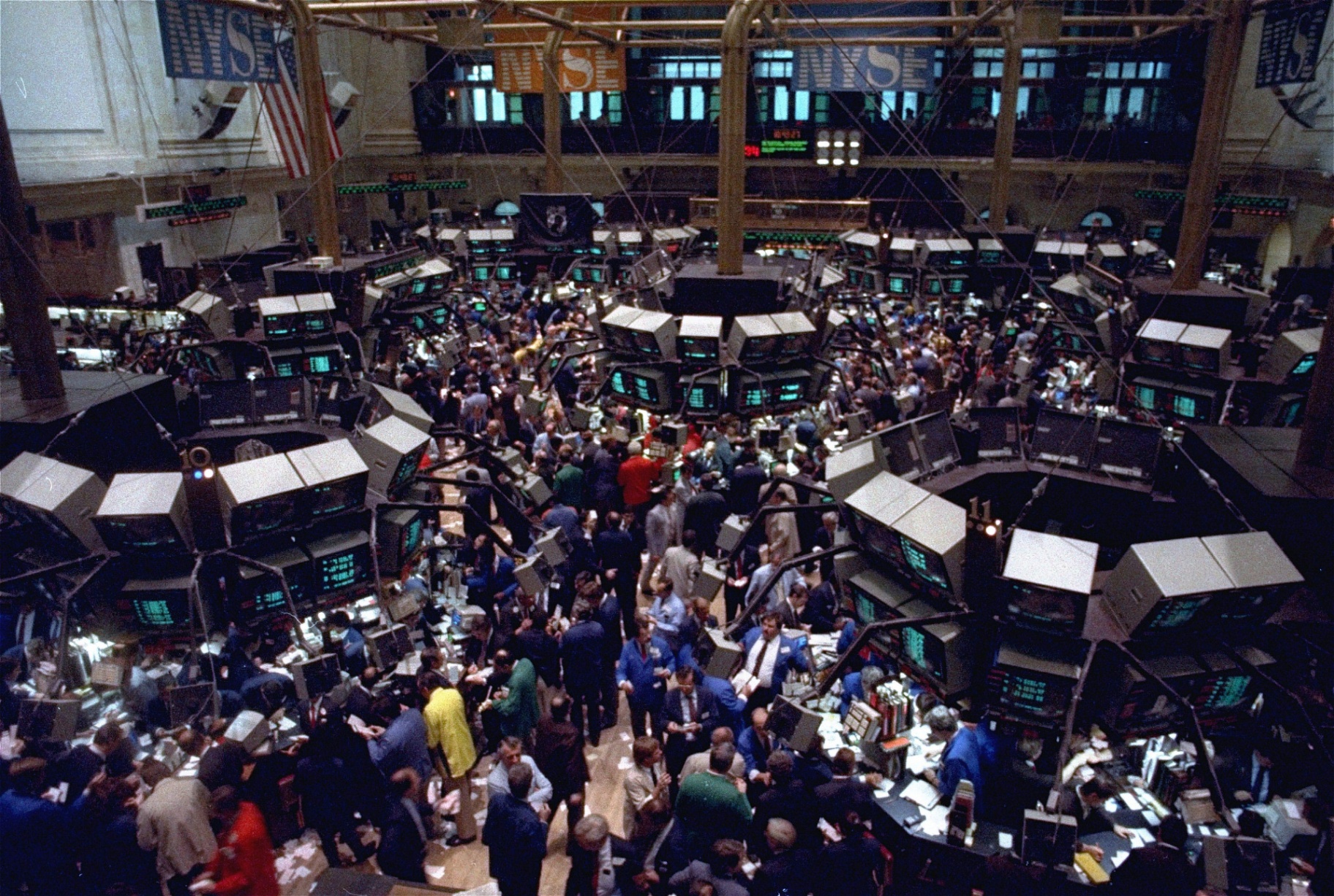
Black Monday

Black Monday

On 19 October 1987, stock markets around the world crashed in a single trading day, with the Dow Jones Industrial Average falling over 22% — still its largest one-day percentage decline. Program trading and portfolio insurance, new computer-driven strategies, were widely blamed for amplifying the fall, making it the first crash of the computer age.

Bubble & crash
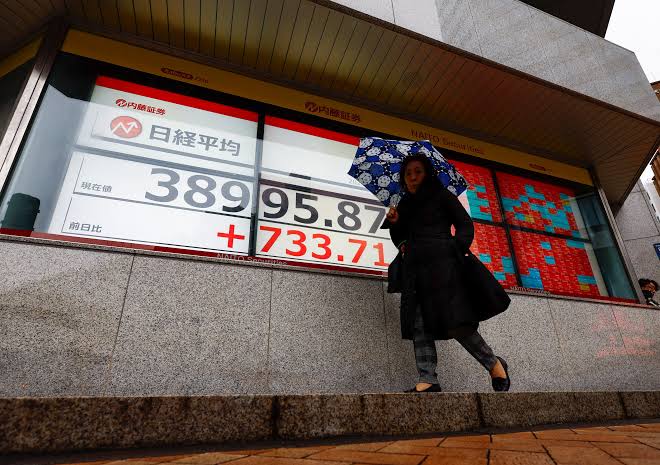
The Nikkei peaks

The Nikkei peaks

On the last trading day of 1989 the Nikkei closes at 38,915. The land under the Imperial Palace is reckoned to be worth more than California. The index will not see that level again for thirty-four years, and Japan's lost decades become the case every central banker studies.

Bubble & crash
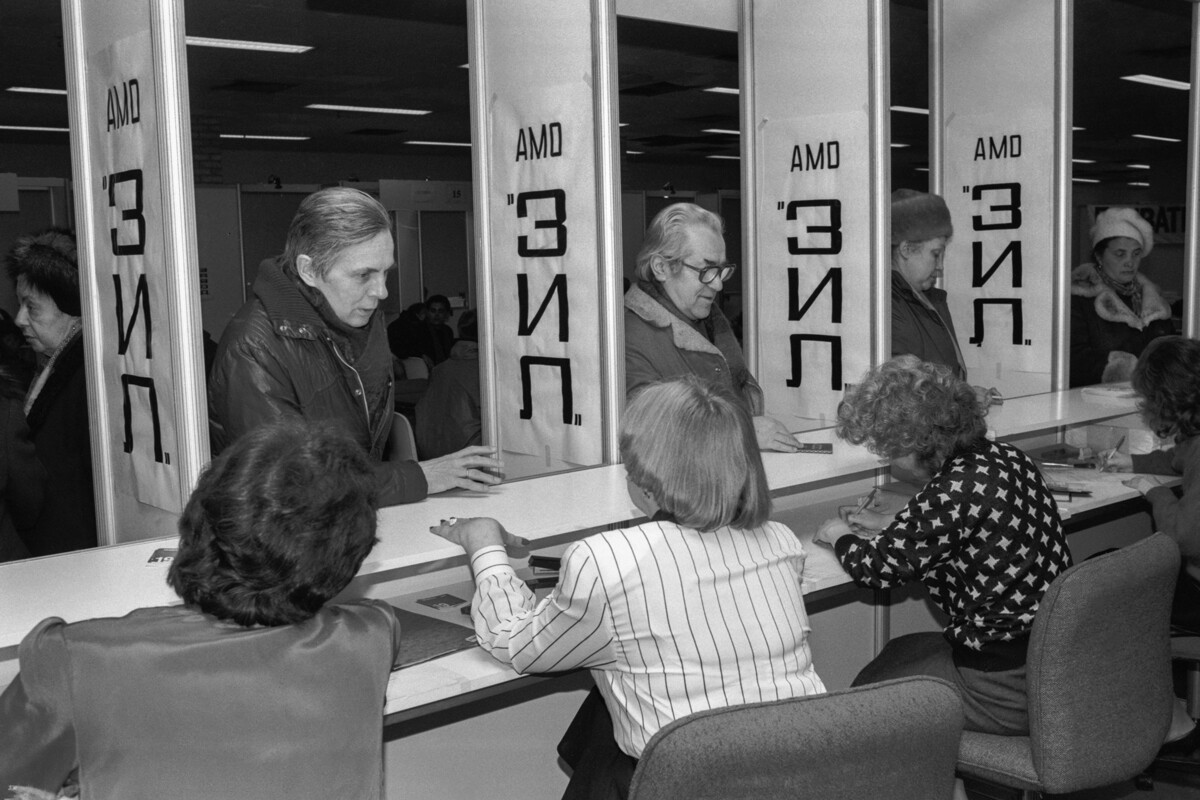
Russian privatization vouchers

Russian privatization vouchers

In 1992, the new Russian government under Boris Yeltsin distributed privatization vouchers, worth 10,000 rubles, to every citizen, aiming to convert Soviet state enterprises into shareholder-owned companies overnight. The mass-printed, brightly coloured vouchers became one of the last great chapters in the physical certificate's history, and a distinctive modern niche within scripophily.

Instrument
Black Wednesday

Black Wednesday

Sterling is driven out of the Exchange Rate Mechanism in a single day, despite two rate rises and billions spent in its defence. George Soros makes a reported $1 billion short. The episode ends British monetary ambitions in Europe and settles the euro question by default.

Panic & crisis
Barings collapses

Barings collapses

Nick Leeson, running both trading and settlement in Singapore, hides losses in error account 88888 until they reach £827 million. Britain's oldest merchant bank — rescued by the Bank of England in 1890 — is sold to ING for £1. Operational risk acquires its textbook case.

Fraud
The Asian crisis

The Asian crisis

The float of the baht in July 1997 triggers capital flight across East Asia and forces IMF programmes on Thailand, Indonesia and Korea. The lesson learned — never again be short of dollars — sends Asian reserves into US Treasuries and helps build the imbalances of the next decade.

Panic & crisis
Long-Term Capital Management

Long-Term Capital Management

Russia's default breaks the convergence trades of a fund run by two Nobel laureates and John Meriwether, levered more than twenty-five to one. The New York Fed convenes fourteen banks to recapitalise it. Nobody calls it a bailout, and everyone learns that models fail together.

Panic & crisis
The euro

The euro

Eleven currencies are irrevocably locked to a new unit of account and monetary sovereignty passes to Frankfurt. The largest monetary union since the gold standard is created without a fiscal union — an omission the following decade examines in detail.

Monetary regime
The dot-com bubble bursts

The dot-com bubble bursts

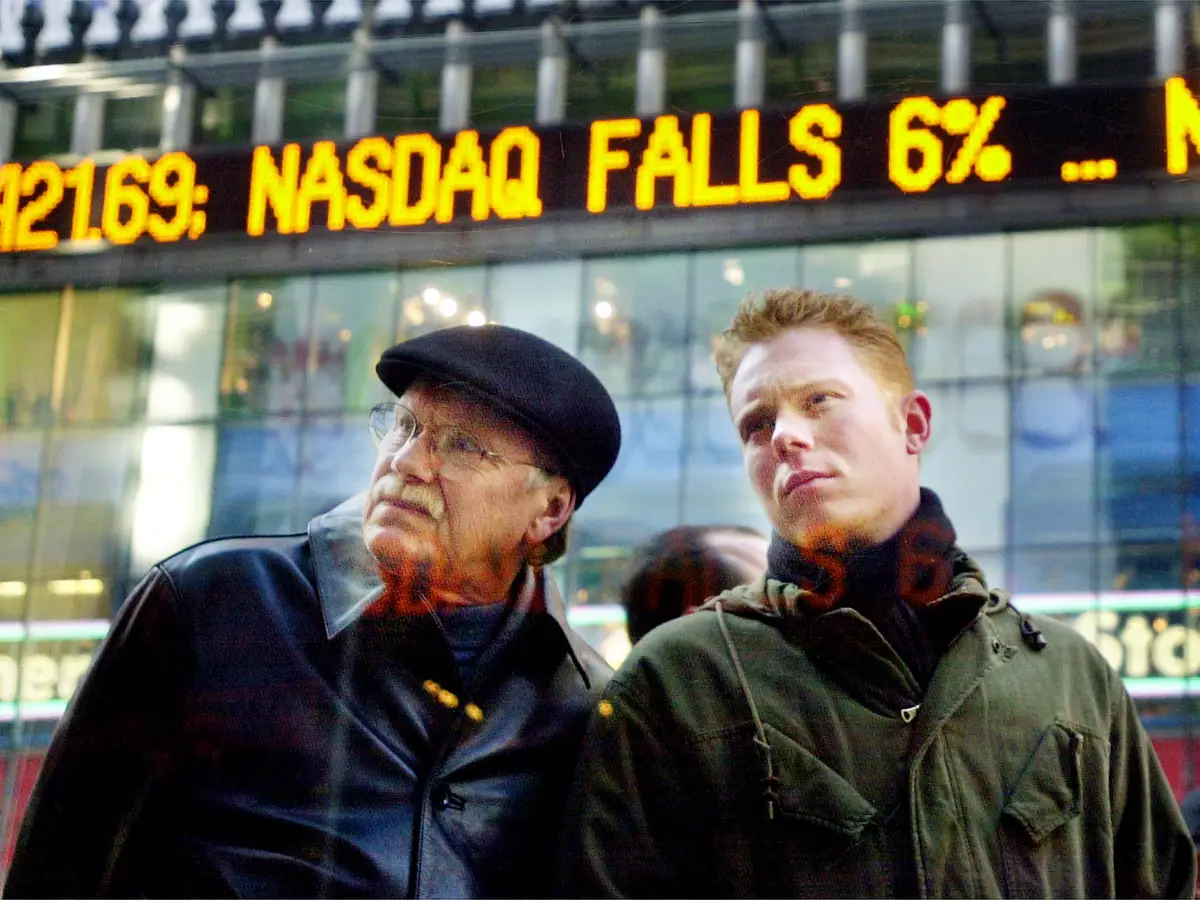
In March 2000, the Nasdaq Composite peaked and then collapsed over the following two years, wiping out trillions of dollars in market value from internet companies that had gone public with little more than a business plan. Many of the era's most hyped companies never issued a paper certificate at all, existing only as book-entry electronic shares.

Bubble & crash
The death of the paper certificate

The death of the paper certificate

Through the 1990s exchanges dematerialize and share registers go electronic. After four hundred years, the physical certificate stops being issued. The documents become history, and collecting them becomes scripophily.

Market infrastructure
Enron

Enron

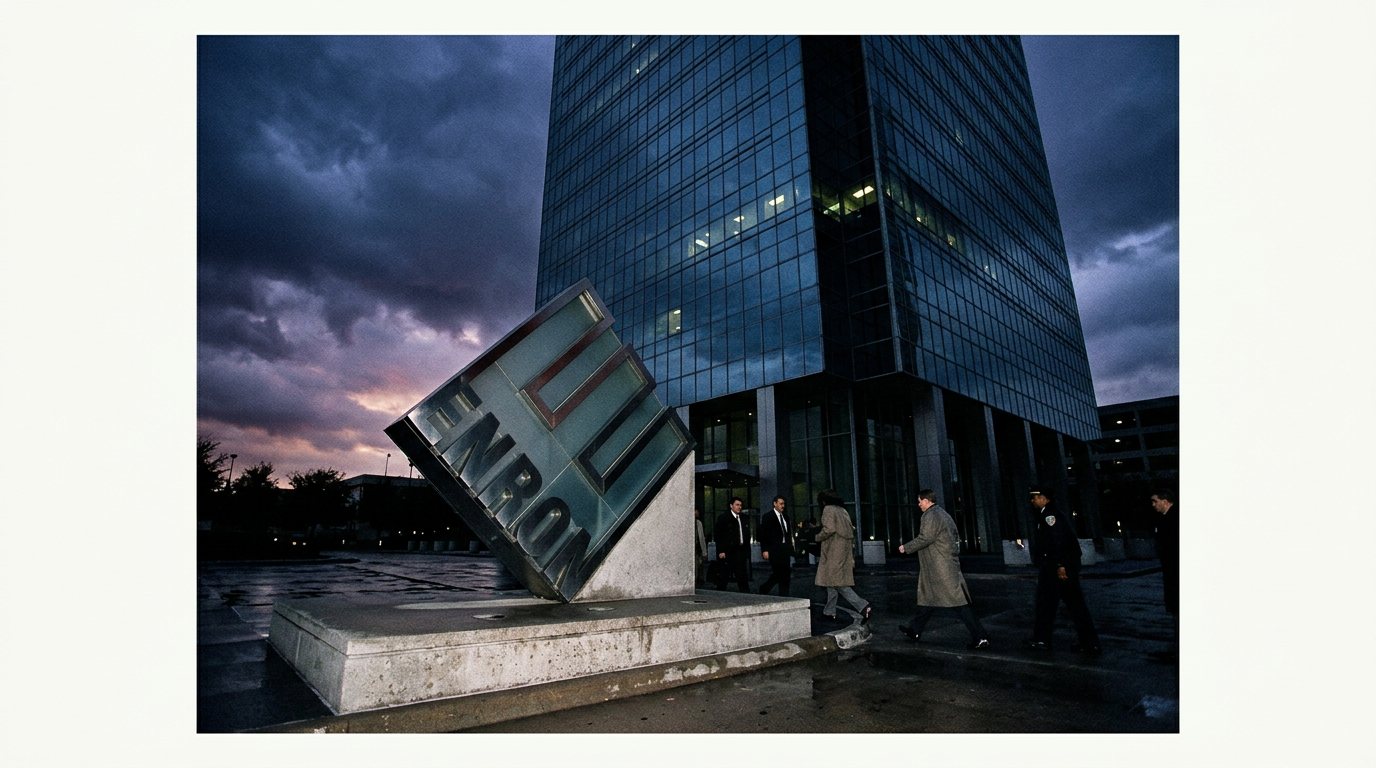
Special-purpose entities, mark-to-model accounting and a compliant auditor turn America's seventh-largest company into the largest bankruptcy to that date. Arthur Andersen does not survive it. Sarbanes-Oxley follows in 2002 and audit becomes a regulated profession.

Fraud
2007–

The Global Financial Crisis & the digital age

The credit crunch begins

The credit crunch begins

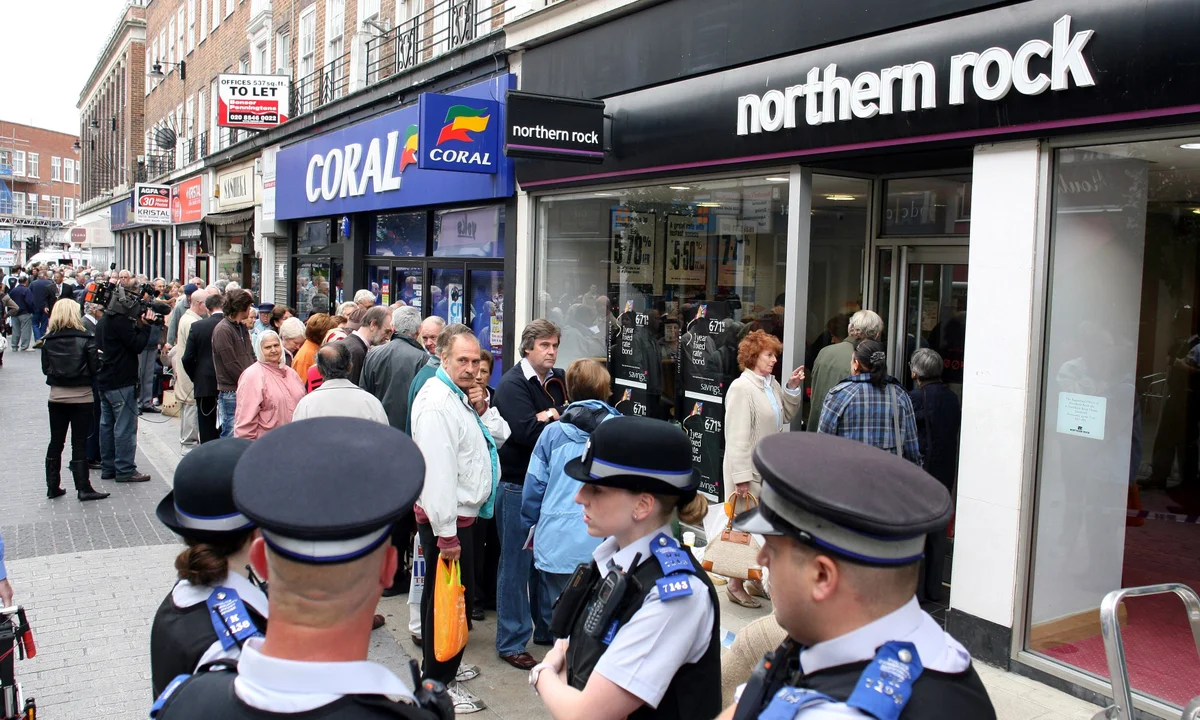
On 9 August 2007 BNP Paribas suspends three funds because it cannot value US subprime paper, and the interbank market seizes. Northern Rock produces Britain's first bank run since 1866. The crisis has a start date thirteen months before Lehman.

Panic & crisis
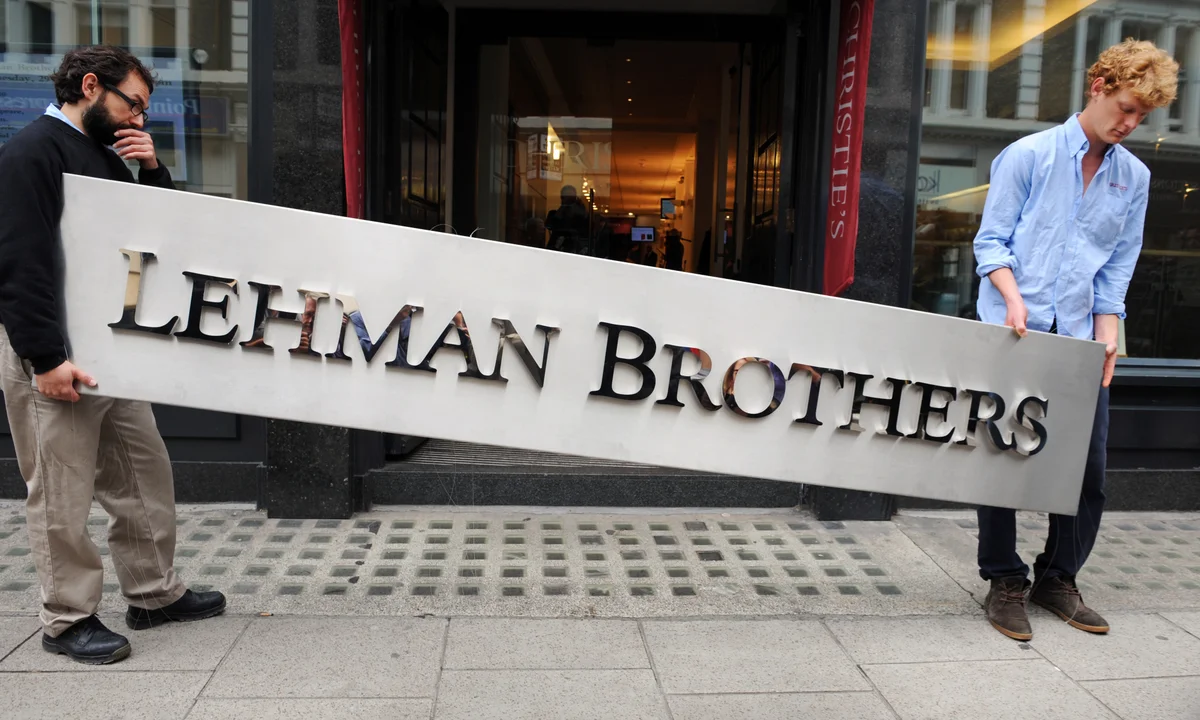
Lehman Brothers fails

Lehman Brothers fails

On 15 September 2008, Lehman Brothers filed for the largest bankruptcy in US history, triggering the most severe phase of the global financial crisis. Lehman stock certificates and corporate memorabilia, worthless as securities, became sought-after collectibles almost overnight — a rare instance of a 21st-century company producing scripophily material.

Panic & crisis
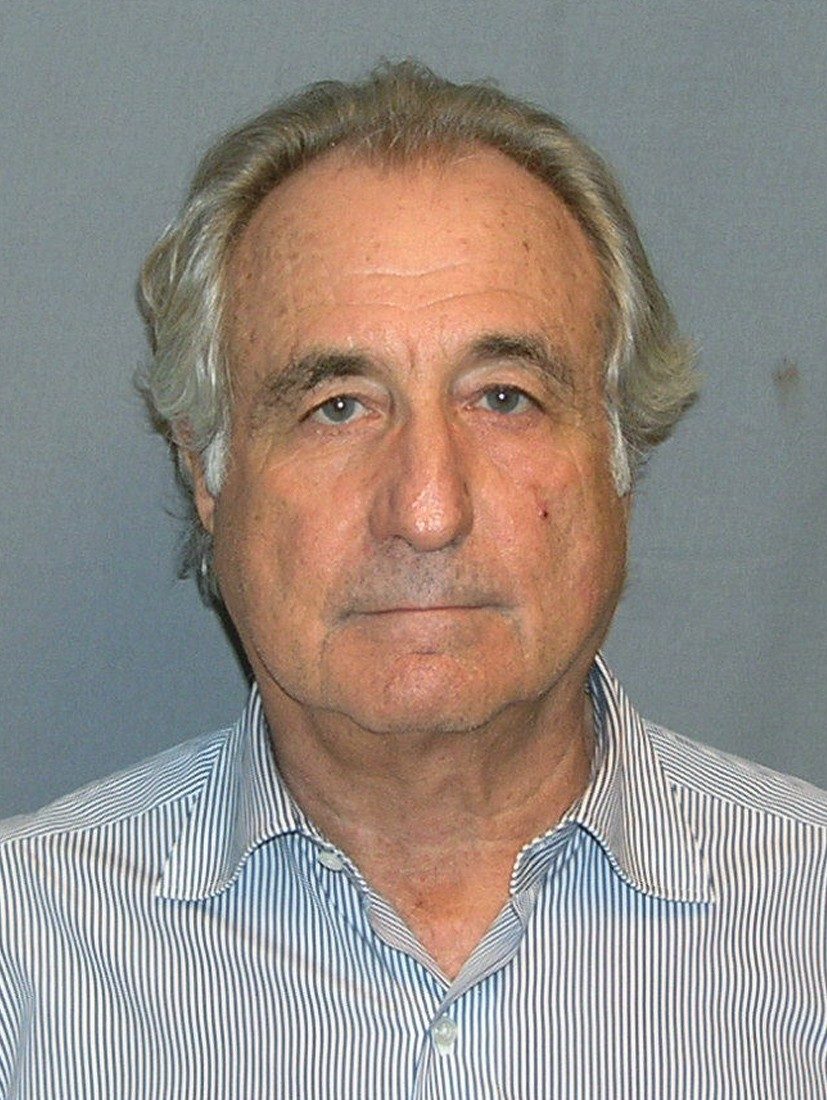
Madoff

Madoff

A former NASDAQ chairman confesses to a Ponzi scheme running for decades on entirely fabricated statements, with $65 billion of claimed value. Harry Markopolos had warned the SEC repeatedly since 1999. The largest fraud in history is uncovered not by regulators but by redemptions in a falling market.

Fraud
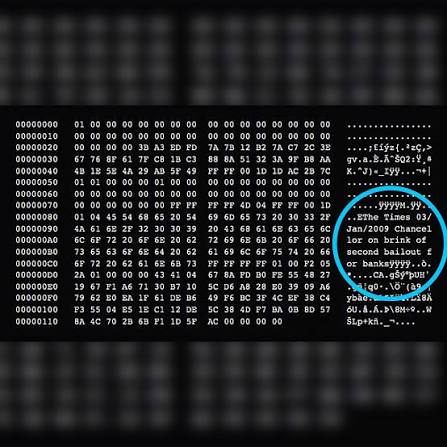
The Bitcoin genesis block

The Bitcoin genesis block

Satoshi Nakamoto mines the first block of a peer-to-peer electronic cash system and embeds a Times headline about a second bailout for banks. Money without an issuer and ownership without a registrar — the argument of 1668, reopened in software.

Technology
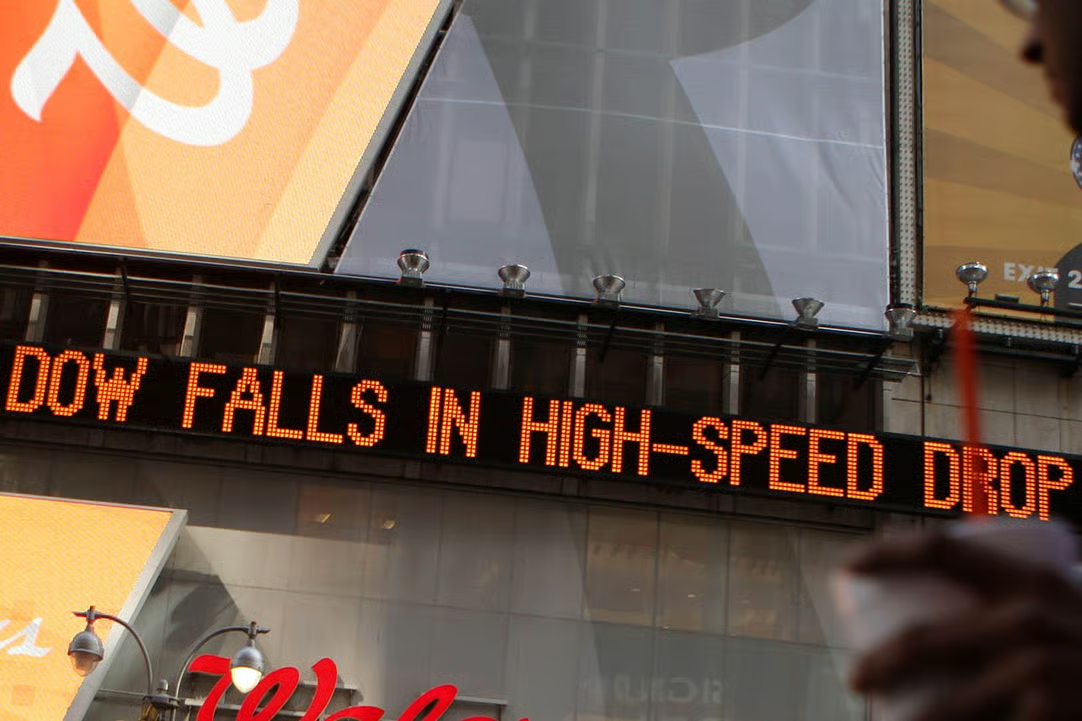
The Flash Crash

The Flash Crash

On 6 May 2010 the Dow falls nearly a thousand points and recovers within twenty minutes as high-frequency liquidity withdraws and Accenture prints at a cent. Market structure, invisible since the floors emptied, becomes a public question.

Technology
Whatever it takes

Whatever it takes

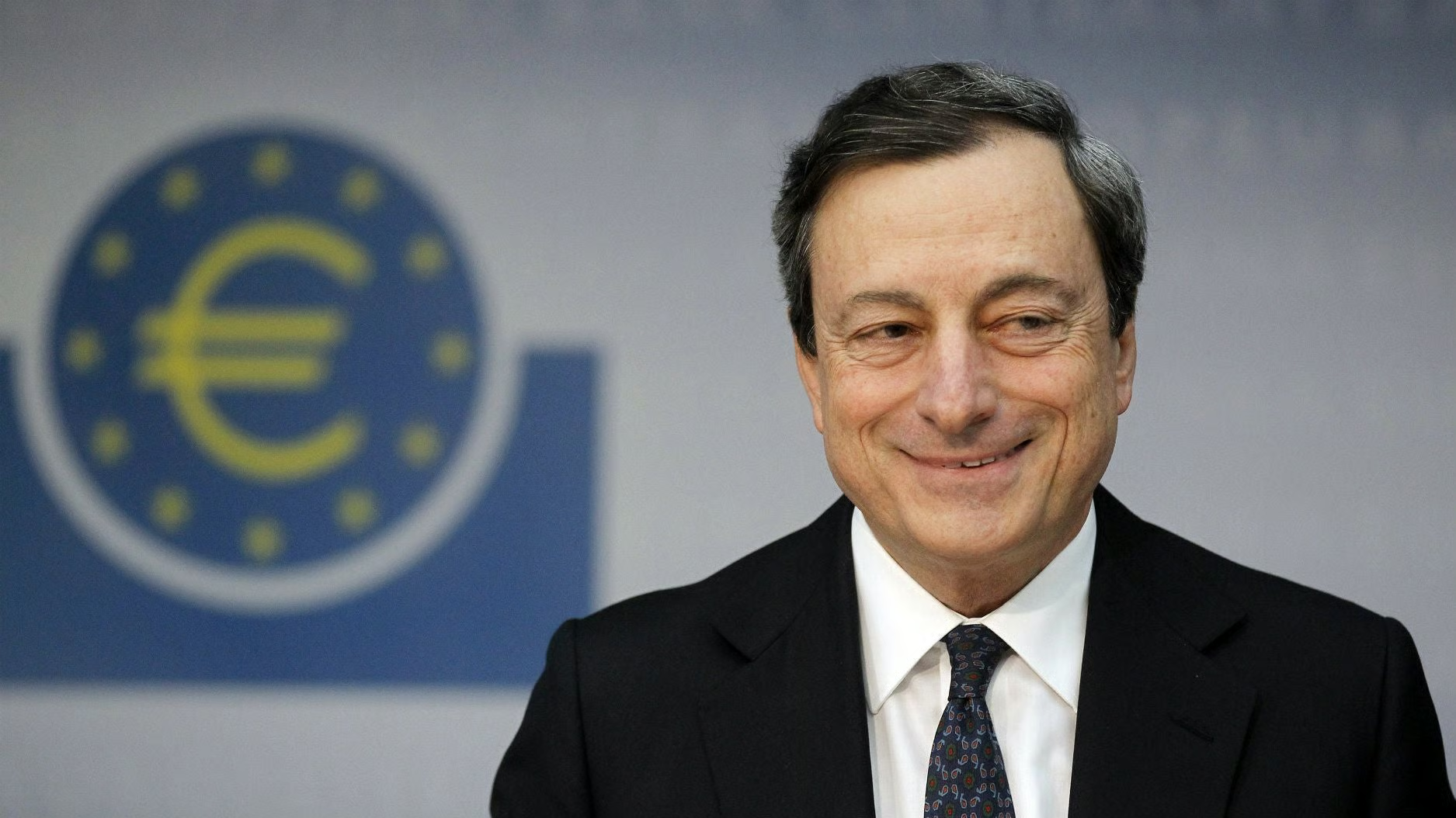
Mario Draghi tells a conference in London that the ECB will do whatever it takes to preserve the euro — and adds, believe me, it will be enough. Peripheral spreads collapse on a sentence. The bond programme announced behind it is never once used.

Monetary regime
The COVID crash

The COVID crash

The fastest bear market in history is met by the fastest policy response: the Fed cuts to zero, buys corporate bonds for the first time ever, and the NYSE trades all-electronic for the first time in its history as the floor is emptied. Prices recover within months. The balance sheet does not.

Panic & crisis
GameStop

GameStop

Retail traders coordinating on Reddit squeeze the short sellers of a failing games retailer, and brokers restrict buying when clearing collateral calls land. Melvin Capital never recovers. Isaac Le Maire's bear raid of 1608, run in reverse and at scale.
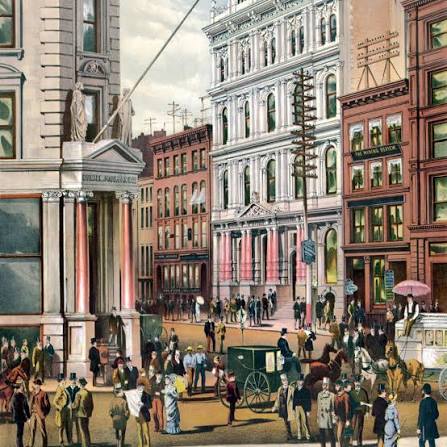
Bubble & crash
Silicon Valley Bank and Credit Suisse

Silicon Valley Bank and Credit Suisse

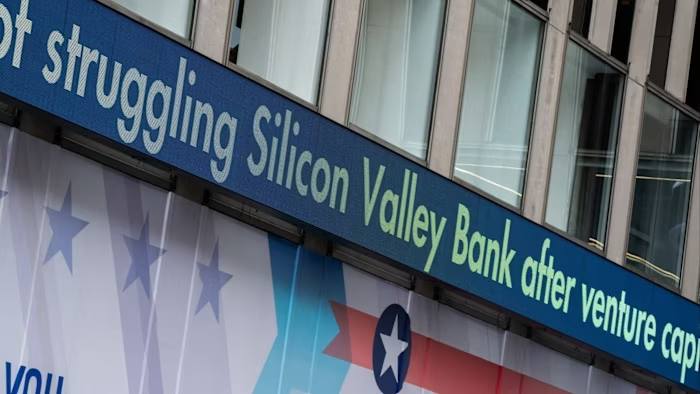
Forty-two billion dollars leaves SVB in a single day, moved by smartphone and coordinated in group chats, turning a duration-mismatched bond book into an insolvency. Within a fortnight UBS is made to absorb Credit Suisse and $17 billion of AT1 bonds are written to zero. The bank run has been digitised.

Panic & crisis
The paper survives

Every document above still exists,
in the hands of collectors

ScripoTime's community catalogue is where these certificates live on, digitized, researched, and shared by the people who own them.