
History · Bonds · Market Trends

A $450 bond and a trillion-dollar claim

A 1911 railway loan helped bring down the Qing dynasty, and its American holders are still trying to collect from Beijing, with Britain's 1987 settlement and Russia's Tsarist bonds as their only guides.

Grégoire Peverelli9 min readSources (23) ↓

Listen to this article

0:00-0:00
Listen on Spotify

© 2026 COALITION FOR A PROSPEROUS AMERICA

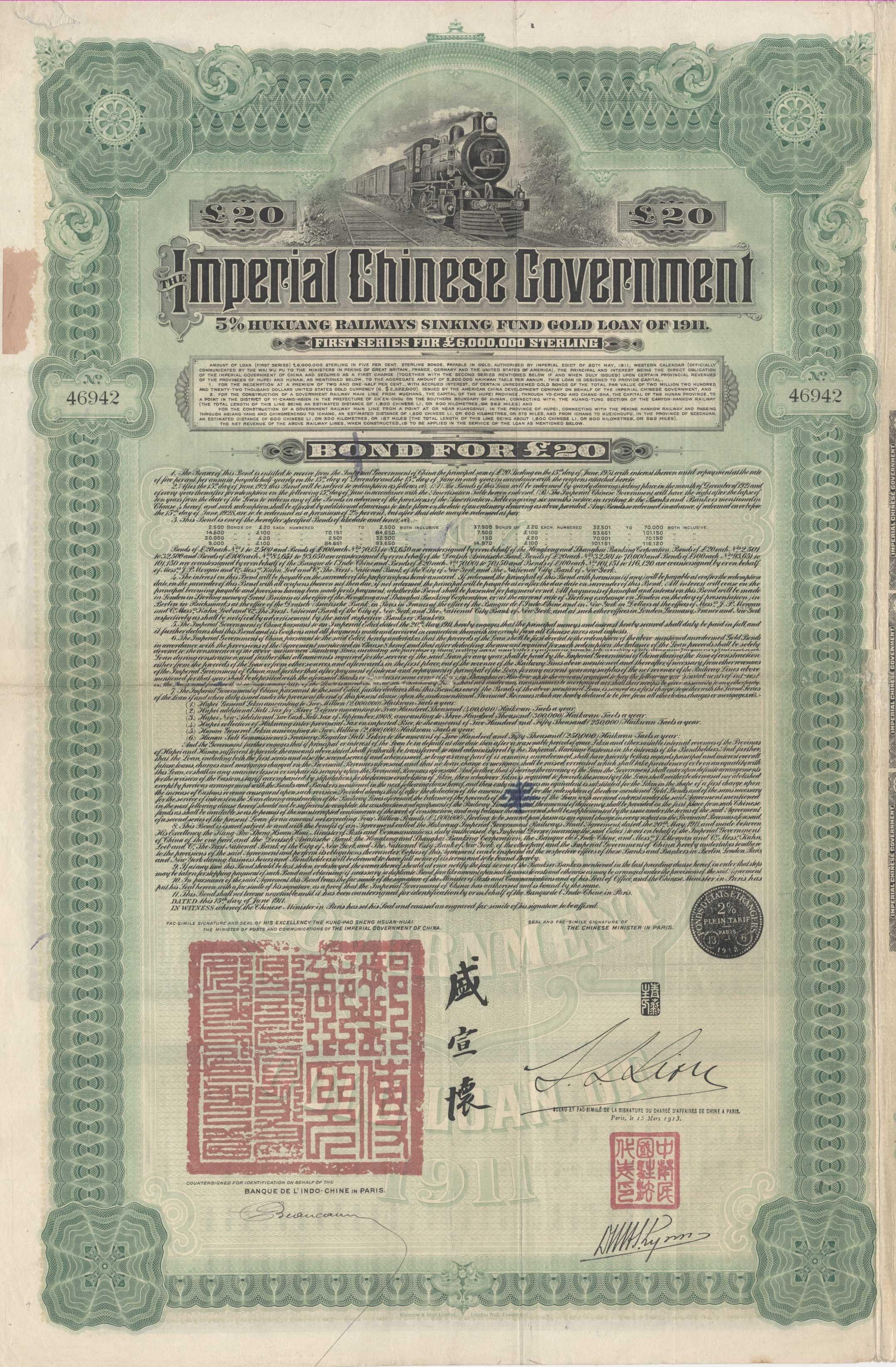
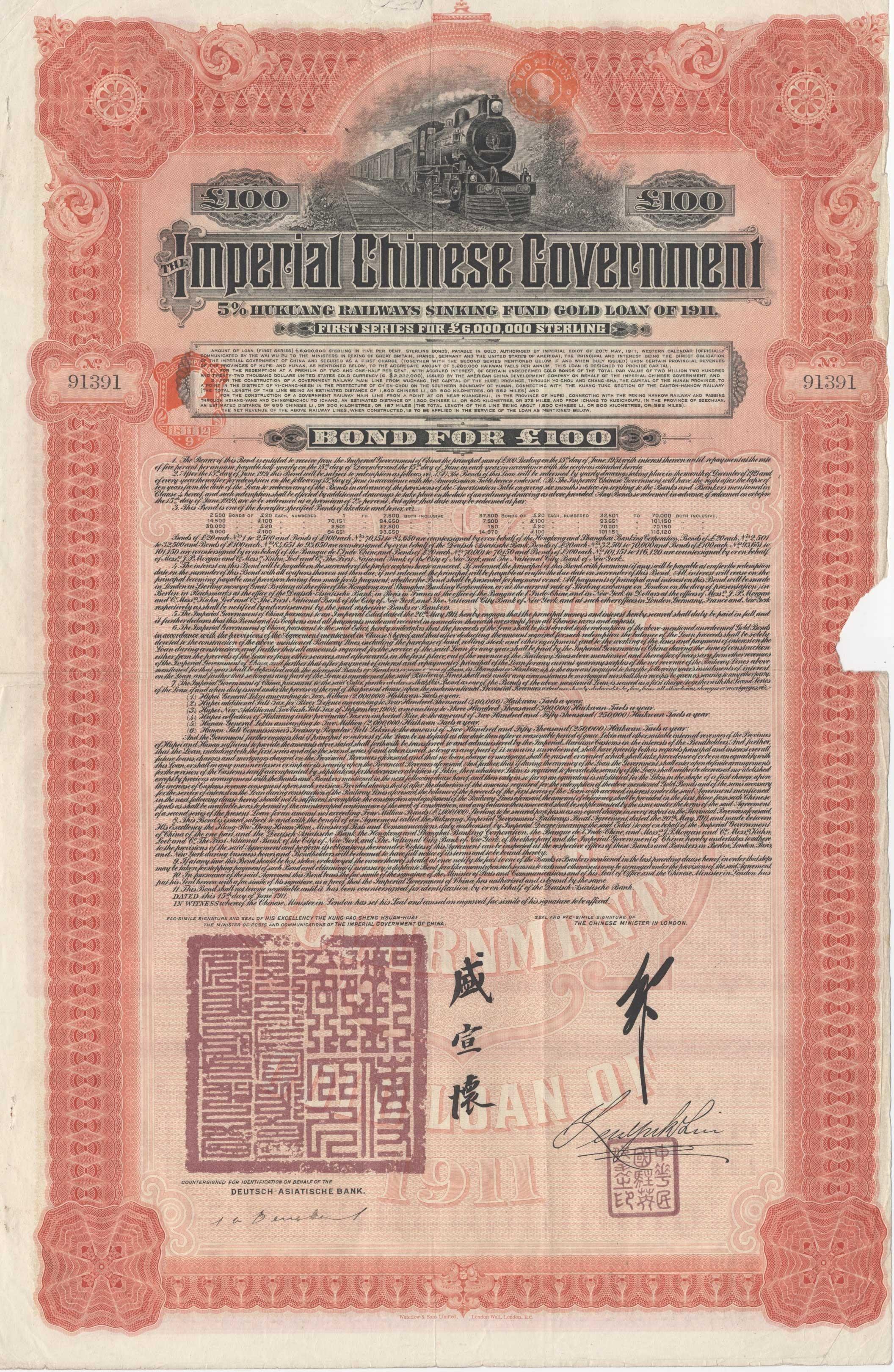
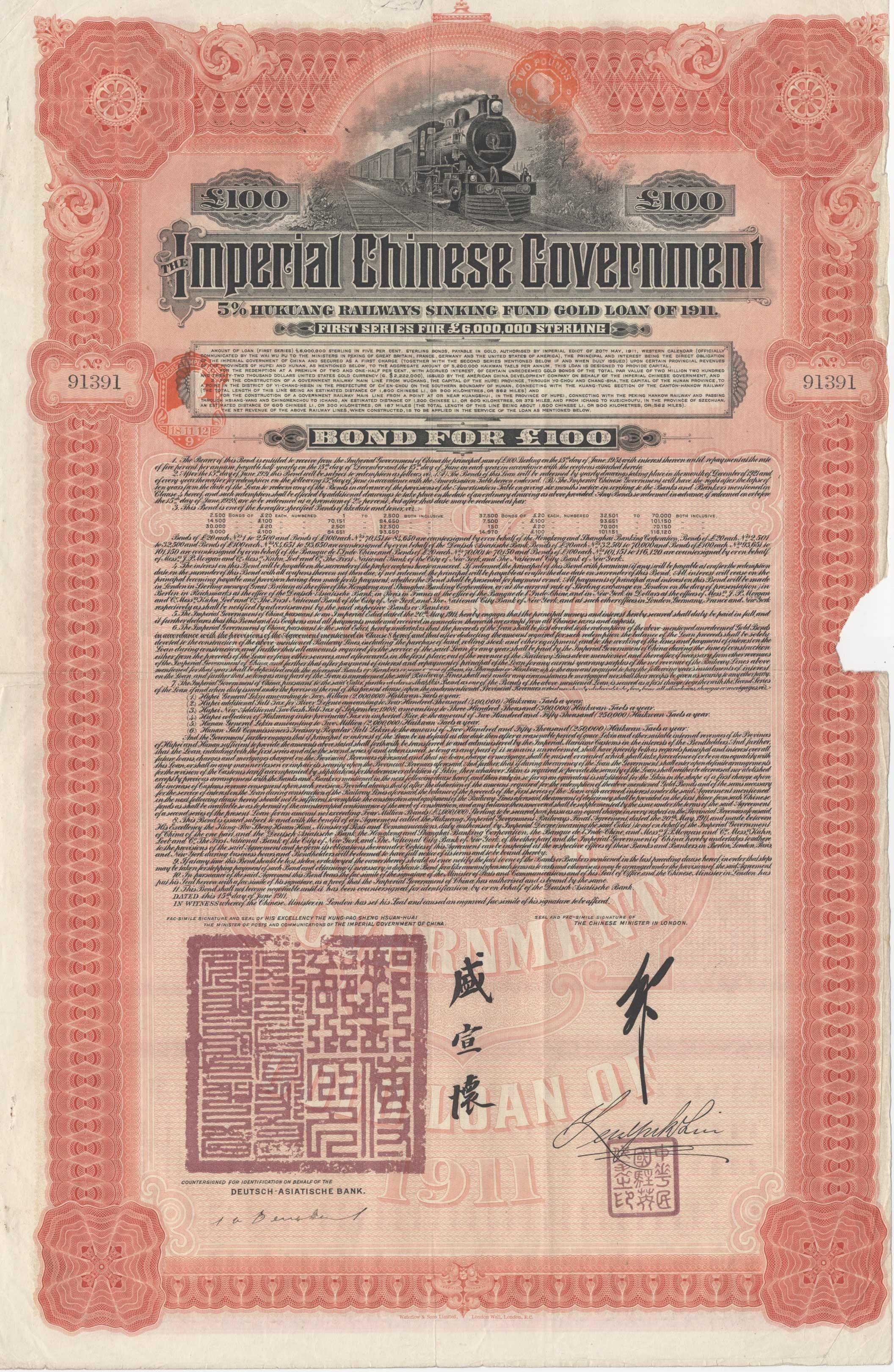
An Imperial Chinese Government 5% Hukuang Railways Sinking Fund Gold Loan bond of 1911 for £100, printed in red with a steam locomotive at the top
Imperial Chinese Government 5% Hukuang Railways Sinking Fund Gold Loan of 1911, bond for £100. Image: ScripoTime catalog.

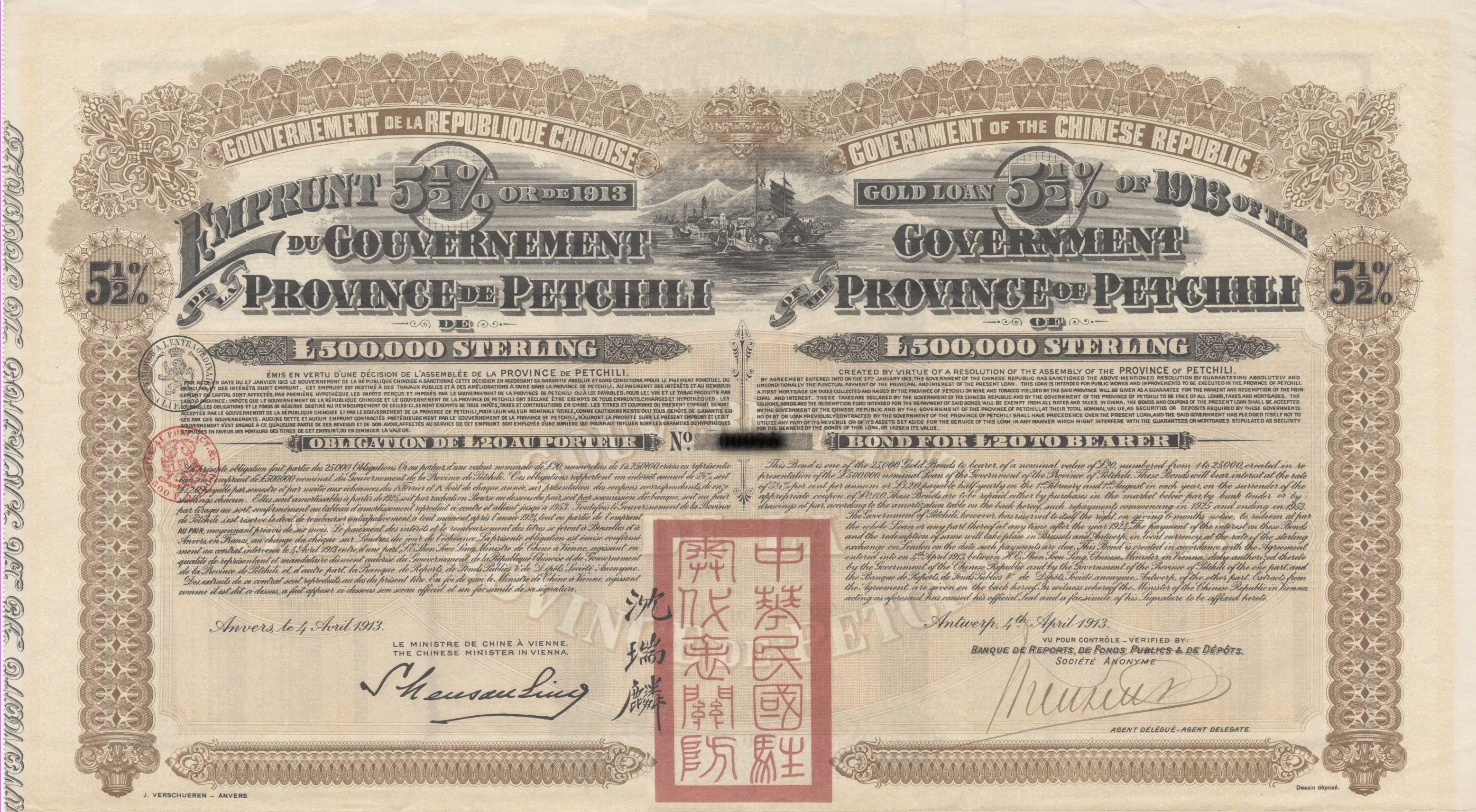
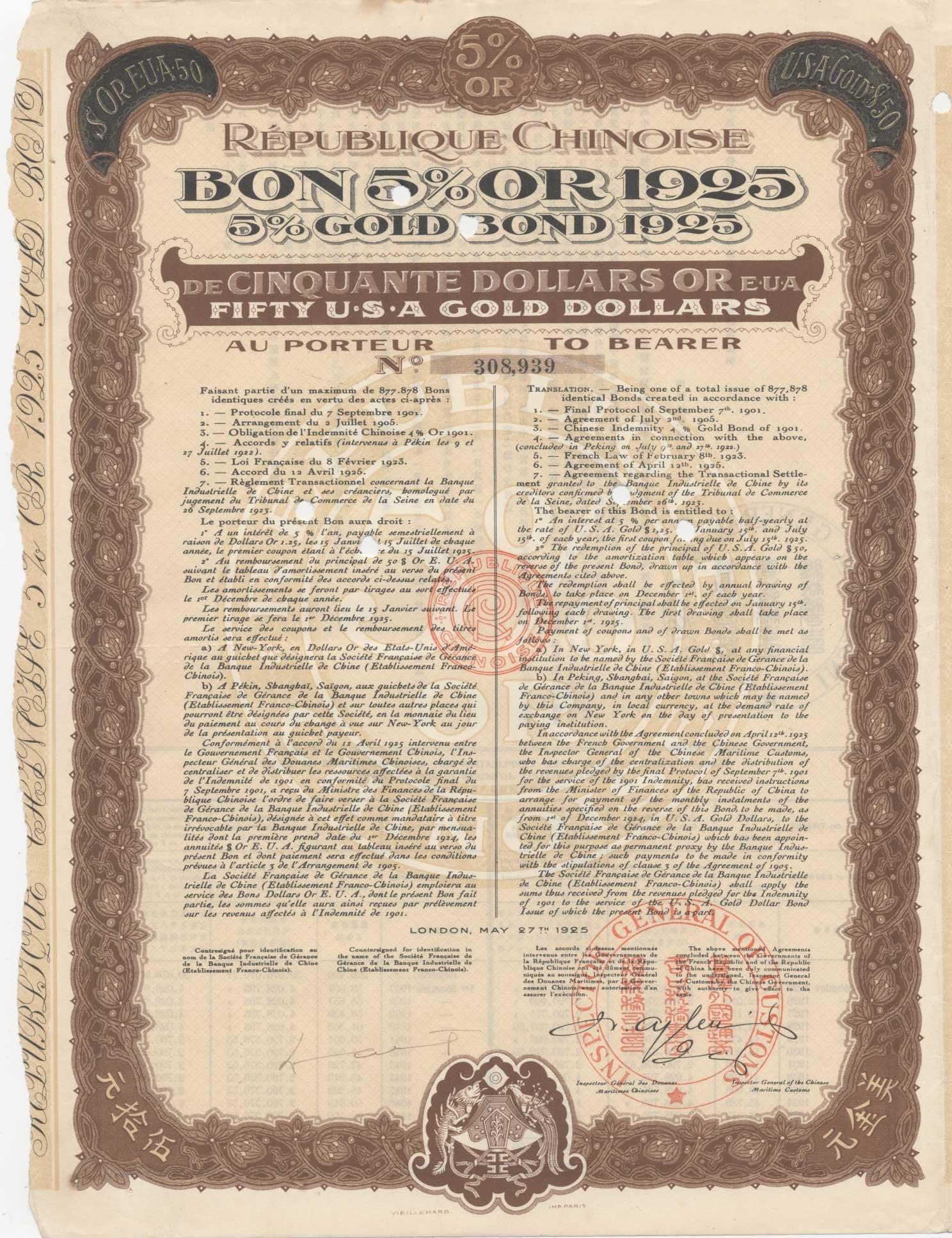
For a few hundred dollars you can buy a debt of the Chinese state. The certificate is half a metre wide, engraved in London by Waterlow & Sons, and dated 15 June 1911. It promises 5% a year in gold.1 It has paid nothing since 1938. An American bondholders' group nonetheless says that claims on bonds of this kind add up to $1.6 trillion, and for a few months in 2020 collectors paid up as if it might be right.2

This is the story of how a railway loan helped end an empire, why its holders are still trying to collect, and what two earlier settlements say about their chances.
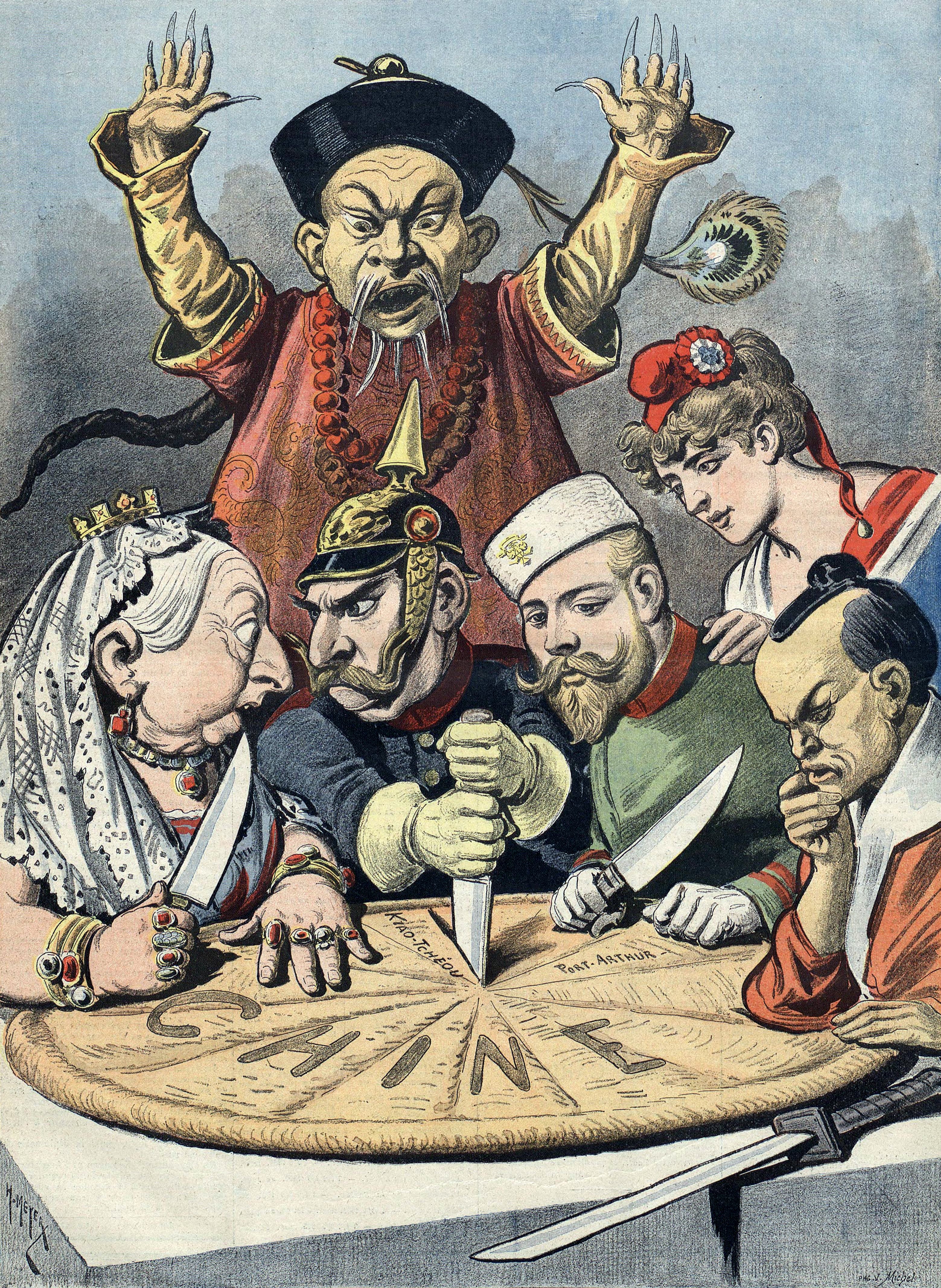
French cartoon of 1898 showing foreign powers dividing a cake shaped like China while a Qing official protests
"En Chine: le gâteau des Rois et... des Empereurs," Henri Meyer, Le Petit Journal supplement, 16 January 1898. Britain, Germany, Russia, France and Japan carve up China as a Qing official looks on. Image: Bibliothèque nationale de France, public domain.

A loan that helped end a dynasty

The Hukuang Railways loan was signed on 20 May 1911 between the Qing government and banks from Britain, France, Germany and the United States, each country taking a quarter of £6 million.3 The American share was political. President Taft had pressed for it as part of his "dollar diplomacy", and J.P. Morgan and Kuhn, Loeb put their names on the New York tranche.4

The money was meant to build lines from Hankou south to Canton and west into Sichuan. The loan came with the nationalisation of railway projects that provincial investors had already paid into, and protecting the foreign lenders was widely seen as an attack on Chinese sovereignty. Protests spread, and in October 1911 an uprising at Wuchang began the revolution.5 Eight months after the bonds were issued, the dynasty had abdicated.
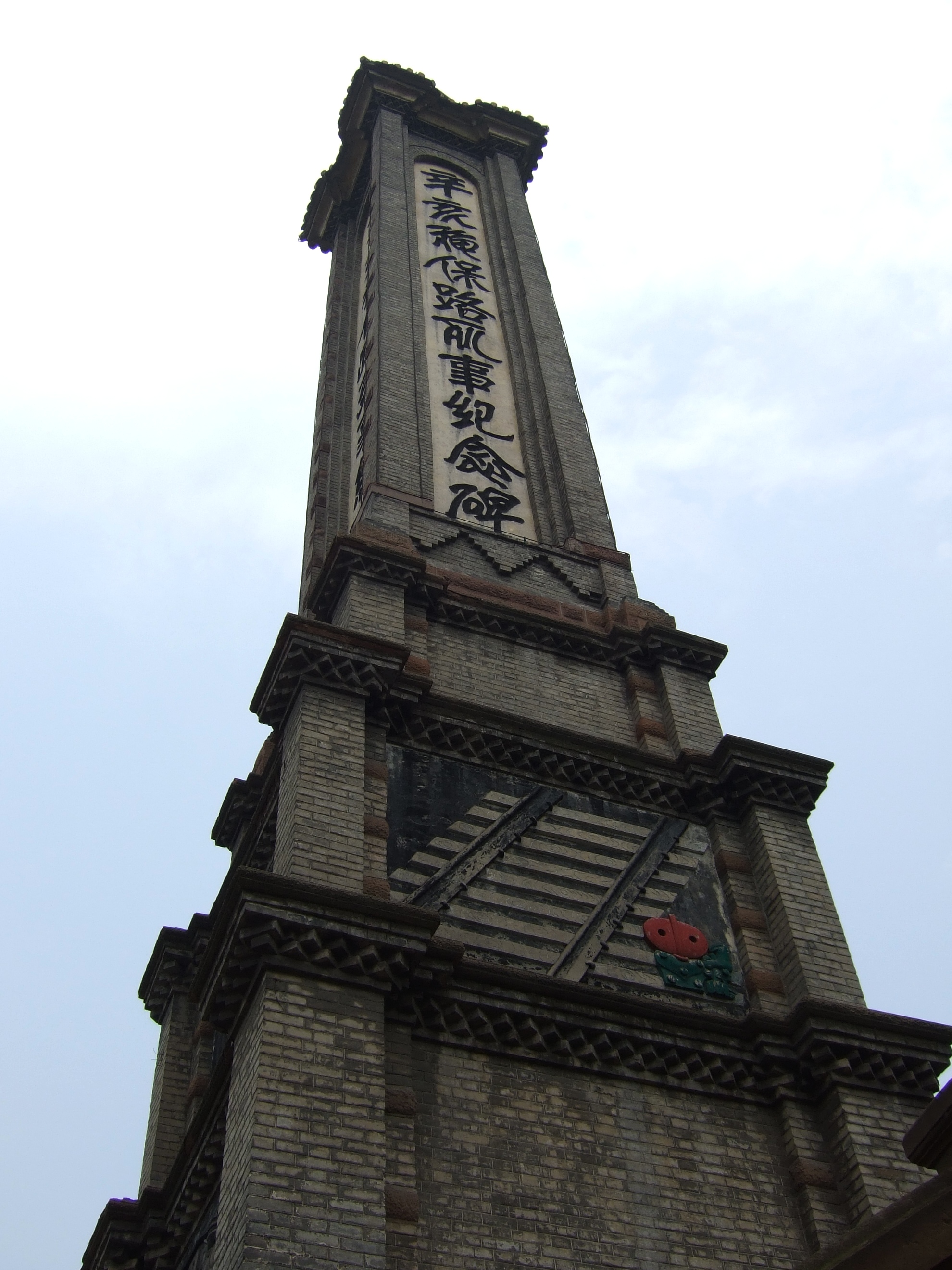
Stone monument in a Chengdu park commemorating the martyrs of the Sichuan Railway Protection Movement
The monument to the martyrs of the Sichuan Railway Protection Movement, built in Chengdu's People's Park in 1913. Photo: Wikimedia Commons, Creative Commons.

The railway fared little better. A CIA memorandum written in 1983 found no evidence that the proceeds were ever spent on the Hankou to Canton line, which was finished only in 1937. Part of the money went "into official pockets".6
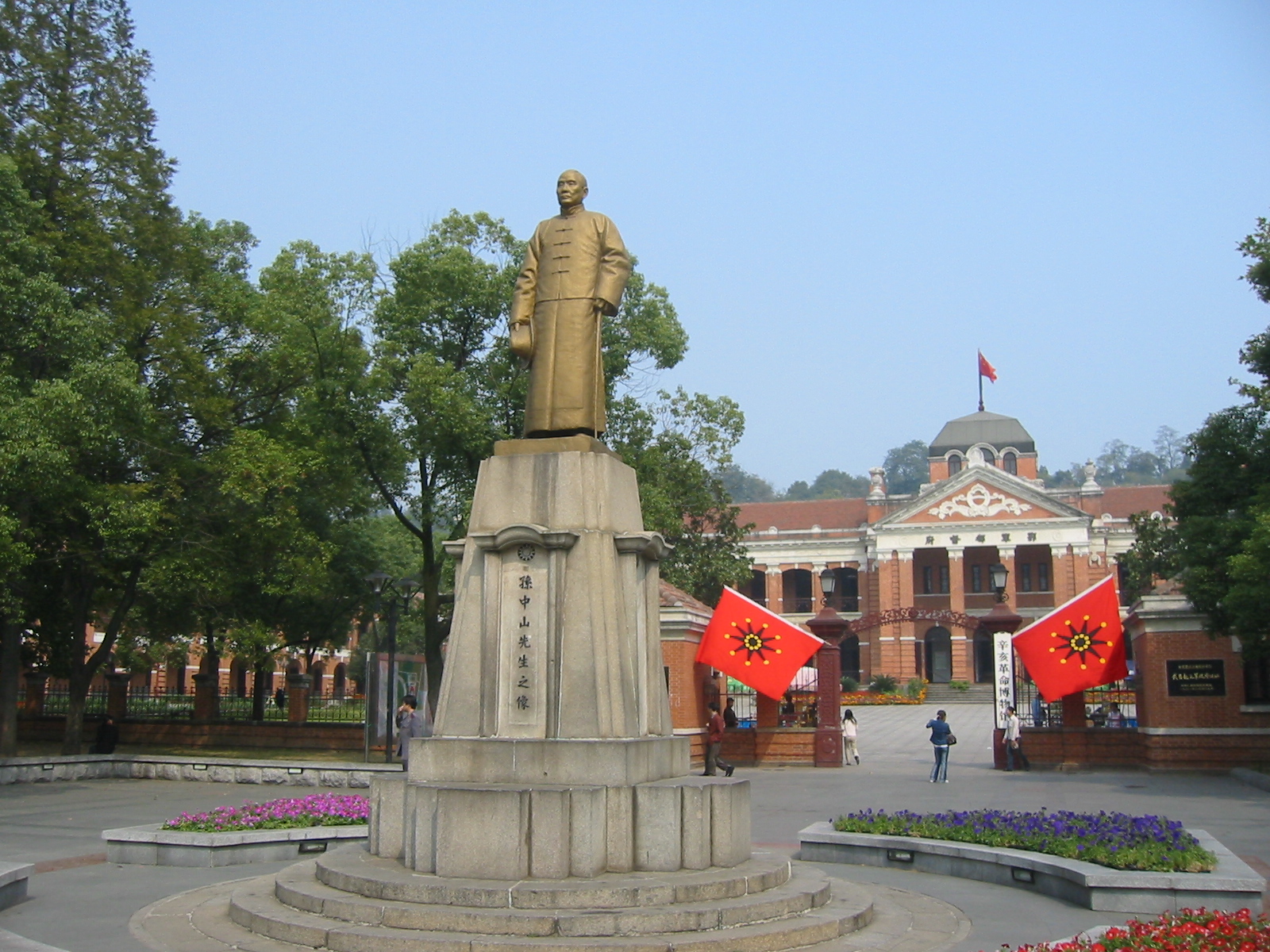
Statue of Sun Yat-sen in front of the 1911 Revolution memorial hall in Wuchang, Wuhan
The 1911 Revolution memorial in Wuchang, Wuhan, with a statue of Sun Yat-sen. The uprising here in October 1911 began the revolution that ended the Qing dynasty. Photo: Wikimedia Commons.

Default, then silence

The Republic that followed kept the loan alive for two decades and went on borrowing abroad. Interest on the Hukuang bonds was paid on time until December 1930. A rescheduling proposed in the spring of 1937 was never carried out, because war with Japan broke out that July. After two half payments, the last in June 1938, the bonds went silent.7 When the People's Republic was founded in 1949, its leaders declined to honour the debts of earlier regimes, though they never formally cancelled them.8 The paper drifted out of brokers' ledgers and into albums and attics.
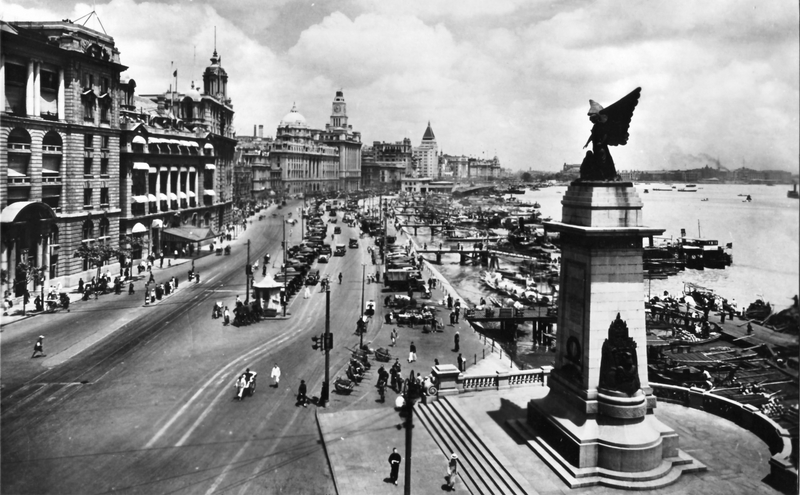
The Bund in Shanghai in 1928, with the offices of the foreign banks along the waterfront
The Bund, Shanghai, in 1928, where the foreign banks that issued and serviced China's loans had their offices. Image: Virtual Shanghai project, public domain.

The day an Alabama court said yes

American holders tried the courts first. In 1979 a group led by Russell Jackson sued the People's Republic in a federal court in Alabama over their Hukuang bonds. China did not appear, and in 1982 the judge awarded the bondholders $41.3 million.9 China then contested the ruling, the United States government filed a statement supporting its right to do so, and the judgment was set aside in 1984. Two years later the appeal court closed the door: the 1976 law that lets Americans sue foreign states over commercial dealings does not reach back to a bond issued in 1911.10

That left politics.

From the courtroom to the trade war

The claims have since been taken up by the American Bondholders Foundation, a Tennessee group co-founded in 2001 to represent holders of the old debt. In 2019 the Trump administration was reported to be studying whether the bonds could be revived as leverage against Beijing.11

By July 2020, with Covid and the trade war feeding talk of sending Beijing the bill, Izabella Kaminska reported that the antique bonds were back in play. The foundation, she wrote, says it represents $1.6 trillion in claims, a figure that includes decades of compound interest. Mitu Gulati, a law professor at Duke, told her that in the right diplomatic setting holders might argue for a "set off" against the Treasuries China owns.12

The market noticed. George LaBarre, an American dealer in old securities, told Kaminska that the 1911 Hukuang bond had gone from between $75 and $100 to about $450.13 Nothing about the object had changed. Buyers were paying for an option on a presidential mood. Kaminska's own verdict was cautious: the legal merit of the claims is debatable, and buyers may simply have hoped that rhetoric alone would lift prices.

That distinction still matters. A certificate bought as a collectible is one thing. A certificate bought as a stake in a future settlement is a bet on diplomacy, and should be weighed as one.

Video: the American Bondholders Foundation presents its claim.

What Thatcher actually got

The strongest argument for the bondholders is that China has paid before. On 5 June 1987 Britain and China signed an agreement in Beijing settling all historical claims between them, including bonds issued by Chinese governments before 1949. China paid £23,468,008.14

Three details matter more than the headline. The sum had to cover seized property as well as bonds, when the sterling bonds alone had a face value of about £60 million. Holders were paid a percentage of face value, so at best a fraction of their principal after half a century without interest.15 Only bonds in British hands on the eve of signing qualified, which shut out anyone hoping to buy cheaply abroad and claim in London. And the settlement was mutual. It came, as Kaminska notes, when China wanted to enter London's capital markets and the return of Hong Kong was on the table.16

That is the lesson of 1987. A bond settlement is a by-product of diplomacy. Beijing paid when it wanted something from the other side. It is hard to see what it wants from Washington today that paying a century-old railway loan would buy.

The Russian mirror

The closest parallel is older. On 8 February 1918 the Soviet government repudiated the Tsar's debts, a large share of them held in France.17 The bonds kept trading in Paris anyway. Kim Oosterlinck and John Landon-Lane have shown that their prices moved with each rumour of a bailout, a negotiation or a White Army victory, pricing in rescues that never came.18

When money finally arrived, it was small and political. Britain's 1986 deal with Gorbachev returned about 2% of what was owed.19 France settled in 1997 for $400 million, to be shared among several hundred thousand claimants, and holders' associations were still suing, and losing, in 2015.20

What the collector actually owns

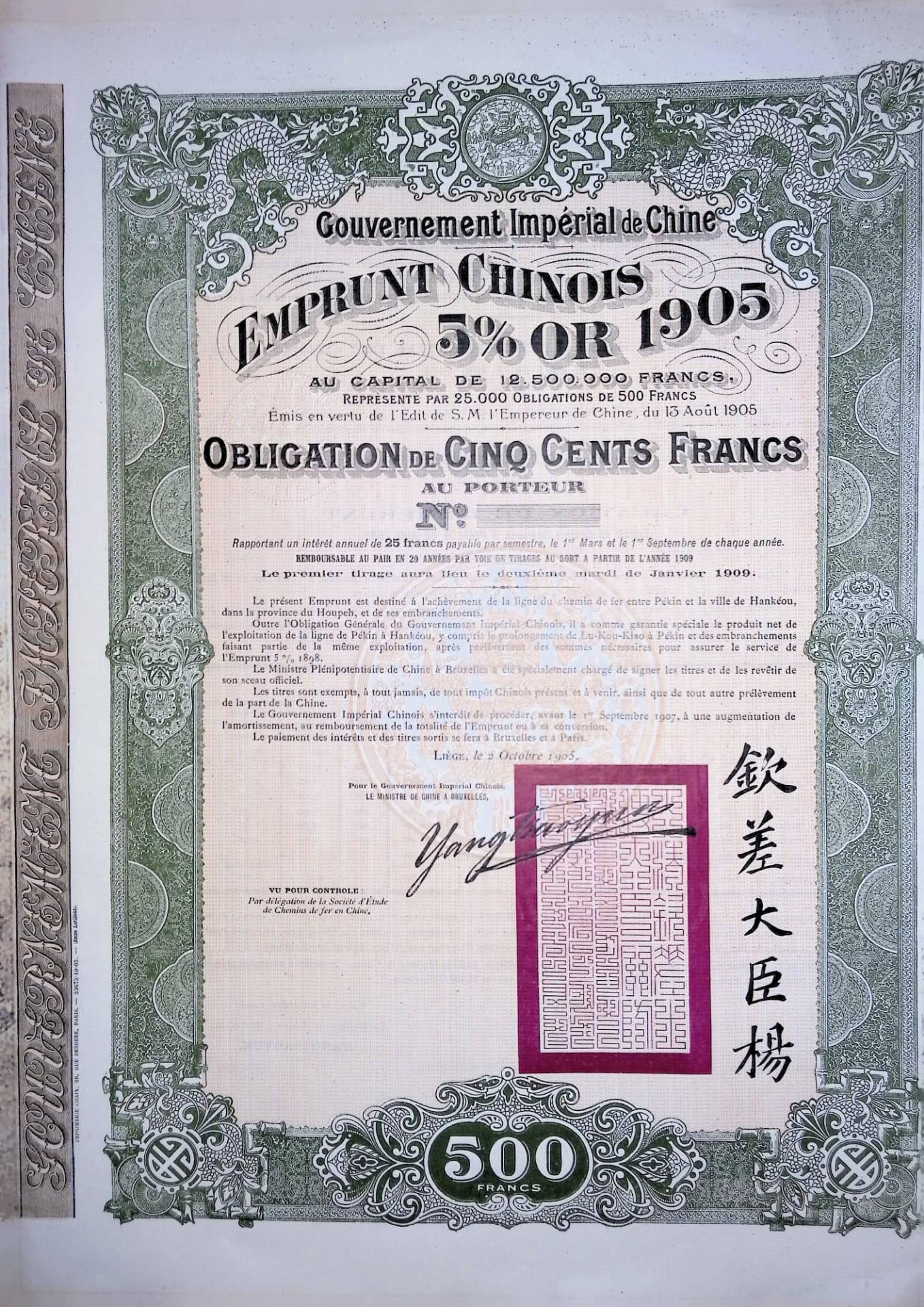
So what is a Hukuang bond worth? As a claim, the precedents suggest somewhere between nothing and a few pence in the pound, payable only to the citizens of a government that strikes a deal. As an object, rather more. It is common enough to be affordable and comes in variants that reward attention: £20 and £100 denominations, in green or red, issued through British, German, French and American banks, each with its own signatures and serial ranges.21 Prices vary widely with denomination, issuing bank and condition, so compare several dealers and auction results before buying.

Buy it for the engraving, the revolution and the paper. The trillion dollars is not included.

This article is history, not investment advice.
Collect this era

Own a piece of this story

Original Chinese government and railway bonds from the late Qing and early Republic. Explore them in the ScripoTime catalog, or find one to buy in its shop.

Browse all Chinese certificates on ScripoTime
Sources (23)
  1. "The Imperial Chinese Government," 5% Hukuang Railways Sinking Fund Gold Loan of 1911, bond no. 100989, 15 June 1911, Schulich-Woolf Rare Book Collection, Western University (37 x 55.5 cm, engraved by Waterlow & Sons).

    ↩
  2. Izabella Kaminska, "Antique Chinese bonds are now in play," Financial Times, 29 July 2020. The figure is the group's own.

    ↩
  3. "Hukuang Railway Loan," Papers Relating to the Foreign Relations of the United States, 1912 (Washington, DC: Government Printing Office), editorial note; "Hukuang Imperial Government Railways: Final Agreement," Colonial Office, CO 129/384 (1911).

    ↩
  4. "The Hukuang Bond," Financial History, Museum of American Finance, consulted through ProQuest (document 1498393137).

    ↩
  5. William N. Goetzmann and Andrey Ukhov, "China and the World Financial Markets 1870-1930: Modern Lessons from Historical Globalization," Wharton Financial Institutions Center working paper 01-30, July 2001, abstract.

    ↩
  6. Central Intelligence Agency, Directorate of Intelligence, "The Hukuang Railway Bonds," memorandum, 28 February 1983, CIA-RDP85T00287R000400800002-0.

    ↩
  7. Jackson v. People's Republic of China, 550 F. Supp. 869 (N.D. Ala. 1982), findings of fact.

    ↩
  8. Kaminska, "Antique Chinese bonds are now in play."

    ↩
  9. Jackson v. People's Republic of China, 550 F. Supp. 869: judgment of $41,313,038 plus interest, 1 September 1982. The filing year is taken from the docket number, 79-C-1272-E.

    ↩
  10. Jackson v. People's Republic of China, 794 F.2d 1490 (11th Cir. 1986); Statement of Interest of the United States, No. 79-C-1272-E (N.D. Ala. 1983). The court held that the Foreign Sovereign Immunities Act does not apply to transactions before 1952.

    ↩
  11. "Trump's New Trade War Weapon Might Just Be Antique China Debt," Bloomberg News, 29 August 2019.

    ↩
  12. Kaminska, "Antique Chinese bonds are now in play."

    ↩
  13. Ibid.

    ↩
  14. Agreement between the Government of the United Kingdom and the Government of the People's Republic of China concerning the Settlement of Mutual Historical Property Claims, Beijing, 5 June 1987, Treaty Series No. 37 (1987), Cm 198. The sum is given in the Foreign Compensation Order papers, FCO 40/2238. Kaminska rounds it to £20 million.

    ↩
  15. Foreign and Commonwealth Office, Claims Department, minute of 30 October 1987, FCO 40/2238; HL Deb 17 October 1989, vol. 511, cols. 902-4WA.

    ↩
  16. HC Deb 26 June 1987, vol. 118, col. 9W, for the cut-off of 4 June 1987; Kaminska for the timing.

    ↩
  17. Kim Oosterlinck, "Why Do Investors Still Hope? The Soviet Repudiation Puzzle (1918-1919)," working paper, 2004. Oosterlinck puts the French share of Russian sovereign debt at roughly 40 to 45%.

    ↩
  18. Kim Oosterlinck and John Landon-Lane, "Hope Springs Eternal: French Bondholders and the Soviet Repudiation (1915-1919)," Review of Finance 10, no. 4 (2006): 507-35.

    ↩
  19. Lauge Poulsen, "Settling Russia's Imperial and Baltic Debts," working paper, University College London.

    ↩
  20. Cleary Gottlieb, "Dismissal of Suit Brought Against the Russian Federation by French Holders of Tsarist-era Bonds," 4 November 2015; Franco-Russian agreement of 27 May 1997, published by décret no. 98-366 of 6 May 1998; "Russia: Franco-Russian Accord Near On Tsarist Bonds?," Radio Free Europe/Radio Liberty, 26 November 1996, for the estimated number of holders.

    ↩
  21. Schulich-Woolf Rare Book Collection, Western University, items 649 to 651; HWPH Historisches Wertpapierhaus auction catalogues (Kuhlmann nos. 231 to 236); CO 129/384 for the issuing banks.

    ↩
  22. "The Debt That Never Dies: China's Imperial Bonds," The Indicator from Planet Money, NPR, 11 September 2019.

    ↩
  23. Mark Weidemaier and Mitu Gulati, "Imperial Chinese Bonds," Clauses and Controversies, episode 2, August 2020.

    ↩

FHI is an educational publication about financial history. Nothing on this site is investment, financial, legal or tax advice, an offer, or a solicitation to buy or sell any security or collectible. Past events do not predict future results. Content republished from third parties reflects the views of its authors. Always seek independent professional advice before making decisions.

Join the discussion

Financial History Institute Editorial invitation

What do you think? Share your perspective, questions or historical insights below. We welcome a thoughtful discussion.

Comments are reviewed before appearing. Your name and comment will be public once approved.

One history lesson a week

Weekend Edition, in your inbox

Previous

The Poyais Fraud

Related reading

History · Bonds

The Poyais Fraud

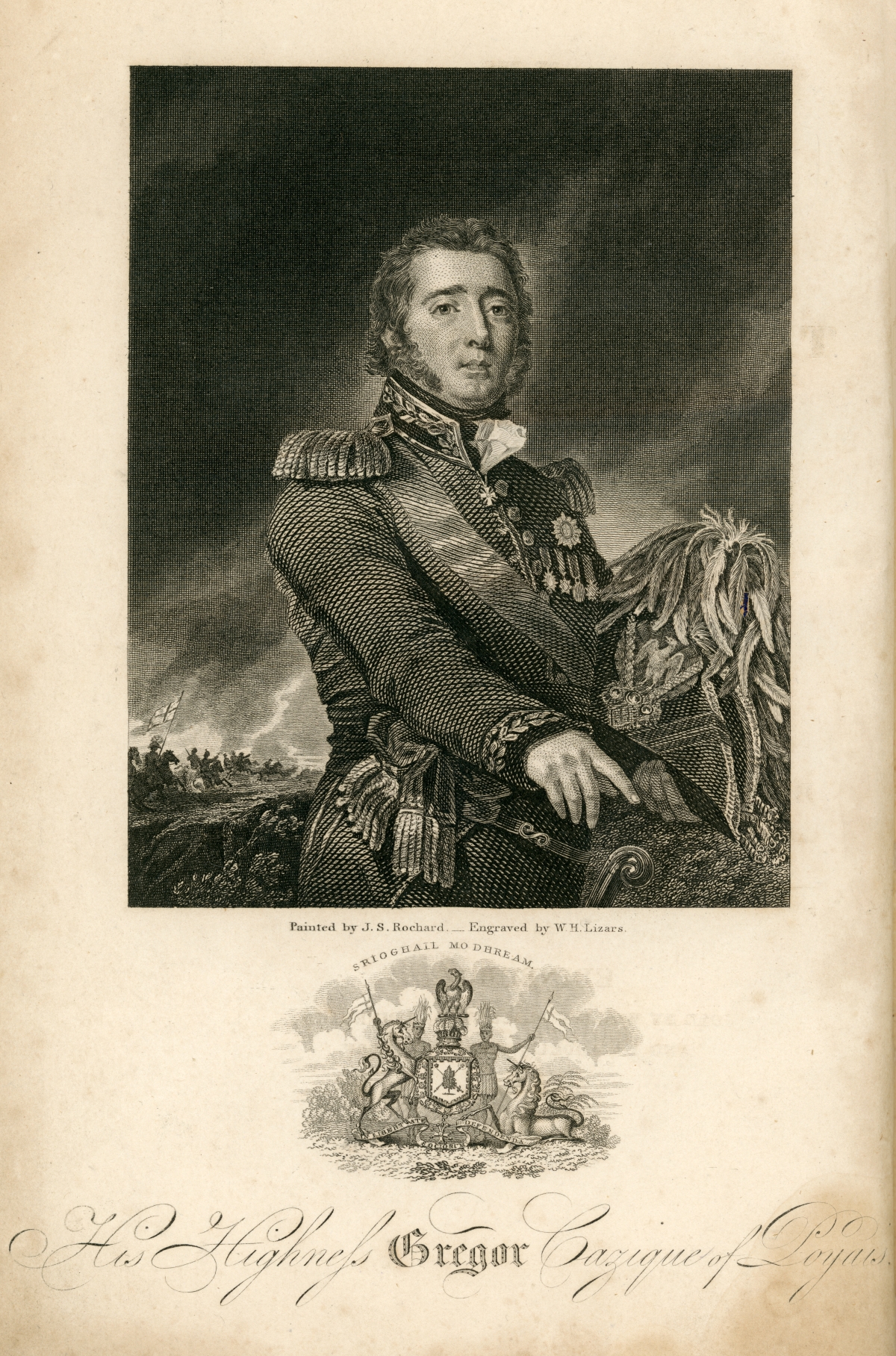
In 1821–1823, Gregor MacGregor invented a fictional Central American country called Poyais and used it to defraud investors on a massive scale — selling its government bonds, its land, and even its currency. The territory he claimed to govern was larger than Wales.

By Grégoire Peverelli · · 12 min read

History · Shares

The Diving Engine Bubble

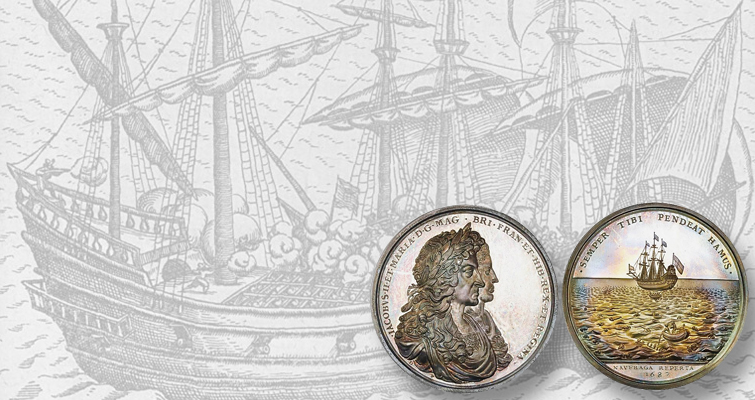
How a sunken Spanish galleon set off London's first stock market boom in the 1690s — a hundred new joint-stock companies, a patent rush for diving engines, and a monetary crisis that swept almost all of them away.

By Grégoire Peverelli · · 9 min read

History · North America

Financial History — The Roots of Prosperity

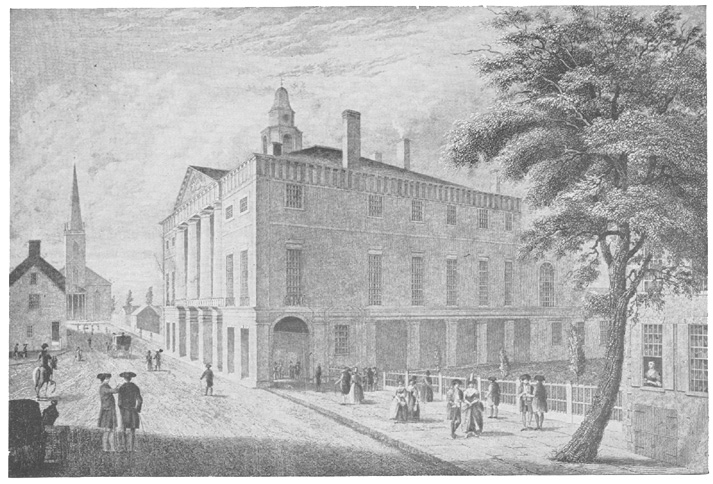
Wall Street in 1789 — a view of old City Hall, with the famed Buttonwood Tree, the meeting place of America's earliest stockbrokers.

By Scott Winslow · · 5 min read